 WhatsApp Us Now

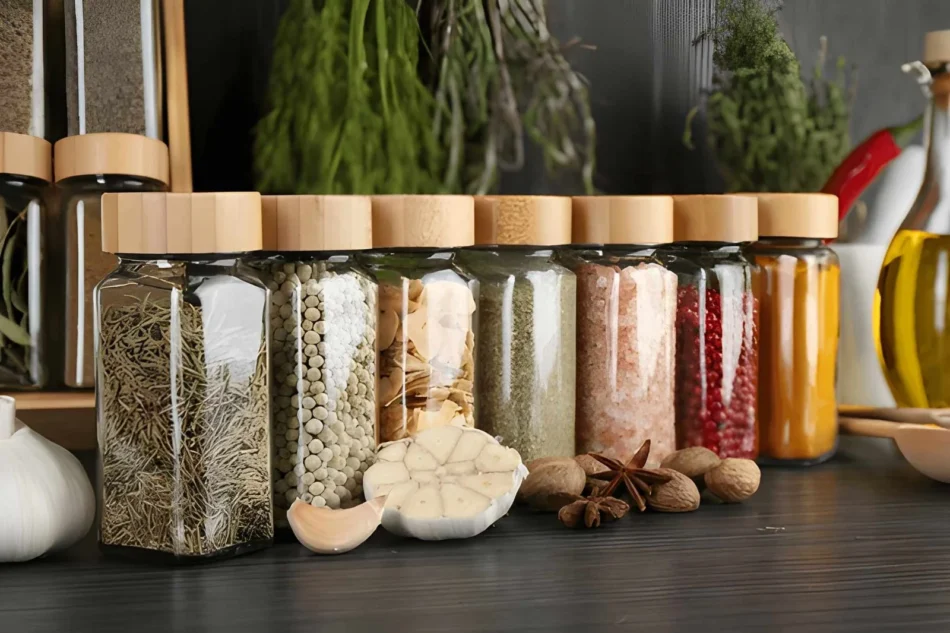
The kitchen is busy. Someone is preparing chicken karahi, another person is grinding garam masala, and the familiar aroma of zeera and red chilli fills the air. Then comes a surprisingly serious household debate: should the spices go into the refrigerator or back into the spice pantry?
One side believes refrigeration keeps spices fresh for longer. The other prefers neatly label-led plastic spice jars arranged inside a kitchen cupboard. Both want the same thing: fresh flavour, less waste, and an organized kitchen.
But which method actually works best? Before you move your entire spice collection into the fridge, there is one important detail to understand: dried spices and fresh herbs do not always need the same storage conditions.
The Pantry vs Fridge Debate: Who Wins?
For most dried spices, the pantry wins, provided it is cool, dry, dark, and away from the stove. The refrigerator is not automatically better because moisture can enter a container through condensation when it is opened or moved between temperatures.
According to McCormick’s spice-storage guidance, spices should be kept in tightly capped containers and protected from heat, moisture, and direct sunlight. Its guidance also recommends refrigeration for certain red-pepper spices, including paprika and chilli powder, to help retain their colour. This means the best choice can depend on the spice and the manufacturer’s advice.
Why the Spice Pantry Is Usually Better?
A well-organized pantry gives dried spices a stable environment without requiring them to be moved in and out of the refrigerator. Whole spices such as cumin seeds, black peppercorns, cinnamon sticks, and cardamom pods can retain their quality for a long time when stored correctly.
The trick is choosing the right spot. A cupboard beside a hot oven, above a stove, or near a sunny window is not ideal. Even a beautiful spice rack can become a poor storage choice if cooking heat and steam reach the jars every day.
When Does the Refrigerator Make Sense?
Refrigeration can help with particular products when their labels recommend it. Some red-pepper spices may benefit from refrigeration to preserve colour, while fresh herbs and prepared herb pastes have different storage requirements from dry seasonings.
However, do not put every dried spice in the fridge simply because you want it to last longer. If you refrigerate a spice, keep it in a well-sealed container and allow the closed container to reach room temperature before opening it. This reduces the chance of condensation forming inside.
Four Enemies That Steal Spice Freshness
Whether you use a pantry or refrigerator, four factors can gradually weaken the aroma and flavour of your spices.
- Heat: Speeds up the loss of delicate aromatic compounds.
- Moisture: Encourages clumping and can create conditions that allow mould to develop.
- Light: Can fade colour and reduce flavour quality over time.
- Air: Repeated exposure gradually dulls the aroma of many spices.
McCormick’s practical advice sums up the basics: “Store herbs and spices in a tightly capped container.”
Source: McCormick FAQs.
For Pakistani households, humidity deserves special attention during the monsoon season. A jar of haldi or dhania powder left open near a steaming pot can collect moisture, even if the rest of the kitchen appears dry. Always use a clean, dry spoon and close the lid immediately after taking what you need.
How to Build a Kitchen Spice Pantry That Works
You do not need a large kitchen or an expensive organizer to keep spices in good condition. A few simple habits can make your spice pantry easier to use and maintain.
- Choose a cool, dry cupboard. Keep spices away from the stove, kettle, sink, dishwasher, and direct sunlight. Convenience matters, but avoiding heat and steam matters more.
- Use suitable airtight jars. Airtight jars help limit exposure to air and moisture. Choose containers made from food-grade material and check that their lids close securely. Plastic spice jars can be practical when they are intended for food storage and are used according to the manufacturer’s instructions.
- Label every jar clearly. Write the spice name and, where practical, the purchase or refill date. This helps you identify ingredients quickly and notice which ones have been sitting unused for too long.
- Arrange spices by how you cook. Keep frequently used ingredients such as red chilli powder, turmeric, coriander, cumin, and garam masala easy to reach. Store less frequently used spices together in a separate section.
- Refill thoughtfully. Avoid topping up old spices indefinitely. Empty and clean the jar when needed, let it dry completely, and then add fresh stock. This prevents old residue from mixing with a new batch.
A Spice Jar Set or the Refrigerator: What Is More Practical?
Imagine preparing dinner after a long day. You need haldi, lat mirch, and garam masala, but half the ingredients are in the fridge while the others are scattered around the kitchen. You spend more time searching than cooking.
A label-led spice jar set can make daily cooking simpler because each ingredient has a designated place. Clear labels reduce mix-ups, while consistently sized jars can help you organize shelves or drawers neatly. However, the containers should be kept in a suitable storage location; organization alone cannot protect spices from heat or moisture.
| Storage method | Main advantage | Main drawback |
| Cool, dry pantry | Convenient for most dried spices | Poor placement near heat or sunlight reduces quality |
| Refrigerator | Useful for certain products when recommended | Condensation may introduce moisture |
| Open countertop rack | Easy access while cooking | Exposure to light, heat, and steam |
| Labelled, sealed jars in a cupboard | Organized and easy to maintain | Requires regular cleaning and correct sealing |
Pro tip: Do not shake spice jars directly over a steaming pot. Steam can enter the container and cause clumping. Measure the seasoning into a dry spoon first, then add it to the dish.
How Do You Know When Spices Need Replacing?
Older dried spices often lose flavour before they become unsafe simply because of age. Rub a small amount between your fingers and smell it. If the aroma is weak, the colour has faded significantly, or the seasoning no longer adds much flavour, it may be time to replace it.
Do not rely on age alone. Follow the package’s best-before guidance and storage instructions. If a spice has visible mould, signs of pests, unusual dampness, or a musty smell, discard it rather than trying to rescue it by drying or heating it.
Important Food-Safety Note: Never put a wet spoon into a spice jar or return unused seasoning that has touched raw food to the container. Keep spices sealed, dry, and away from contamination. A food-grade jar is intended for appropriate food contact, but it does not make damp or contaminated spices safe.
Organize Your Spice Collection With Apple Homeware
For households looking to create a more organized spice pantry, Apple Homeware, the largest household products manufacturer in Pakistan, offers household storage options to explore, including jars and food storage containers. Its Apple Spice Jars (Top Lock Jars) may be worth considering when selecting containers for your kitchen organization needs. Before purchasing, check the specific product details, lid closure, capacity, and cleaning instructions to ensure they suit your spices and storage space.
If you are comparing the plastic jars price in Pakistan, consider durability, ease of cleaning, lid fit, and how well the jars suit your kitchen layout rather than choosing on price alone. A useful storage system should make everyday cooking easier while helping you keep ingredients dry and properly label-led.
The Final Verdict: Let Your Pantry Take the Crown
So, who wins the great fridge-versus-pantry debate? For most dried spices, a cool, dry, dark pantry with properly sealed jars is the more practical choice. Refrigeration is not necessary for every seasoning and should be reserved for products whose instructions or specific needs call for it.
The real secret is not simply choosing a location. It is protecting your spices from heat, moisture, light, and air while keeping your collection organized.
Your kitchen challenge: Open your spice cupboard today. Move jars away from heat and steam, check their lids, label anything unclear, and discard spices showing signs of moisture or mould. Then arrange your everyday seasonings in a dedicated spice jars set, such as Apple Spice Jars (Top Lock Jars), if they suit your needs. Your next karahi, biryani, or daal deserves spices that bring their full aroma to the table.
Disclaimer
This article provides general household food-storage information and is not a substitute for product-specific instructions or professional food-safety guidance. Container suitability depends on its actual materials and design. Do not assume that every plastic jar is suitable for every food, temperature, or cleaning method. Discard spices showing signs of mould, pest contamination, or unusual dampness.
References
- McCormick: Frequently Asked Questions: Spice Storage and Shelf Life.
- Texas A&M AgriLife Extension: Safe Home Food Storage.
Be sure to check back for more exciting news on thestarbiznews.com!


