 WhatsApp Us Now

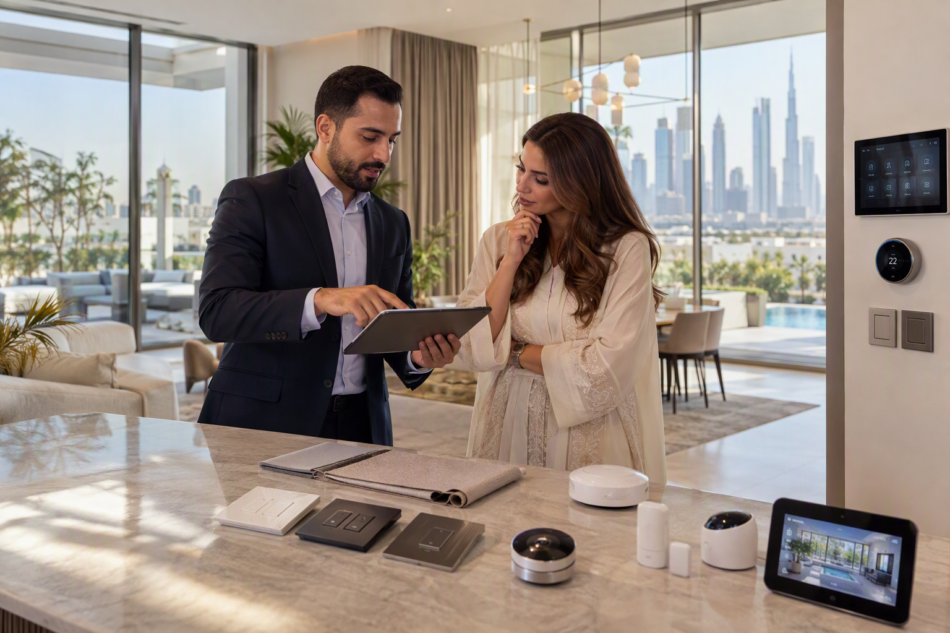
Smart home security systems can help reduce false alarms by using better sensors, cameras, and smart detection features. A normal alarm may react to simple movements, pets, or changes inside the home. Modern systems can collect more information before sending an alert. This helps people understand whether an event is a real security concern or something harmless.
What Causes False Security Alarms?
False alarms can happen for many simple reasons. A person may forget to turn off the alarm before entering the house. A pet moving around a room can also trigger a motion sensor. Open windows, loose doors, moving curtains, or strong changes in temperature may sometimes cause unwanted alerts.
Poor sensor placement can create another problem. For example, a motion sensor facing a window may detect movement outside the house. A sensor placed near an air conditioner may also react to sudden temperature changes.
Understanding these causes is important because it helps homeowners choose the right sensors and settings for each room.
How Smart Sensors Improve Detection
Smart sensors are designed to collect more information than basic sensors. A motion sensor can detect movement, while some newer sensors can also help identify the type or size of movement.
For example, a sensor may be configured to work differently when it detects a person compared with a small pet. This can reduce unnecessary alerts caused by animals moving around the home.
Door and window sensors also provide useful information. They can tell when a door or window is opened or closed. When different sensors work together, the system can better understand what is happening inside the property.
The Role of Cameras in Reducing False Alarms
Security cameras can add another layer of information. Instead of depending only on a motion alert, a homeowner may be able to check what caused the movement.
Some smart cameras can identify people, vehicles, or general movement. If a camera detects activity near the entrance, the system can provide a more useful alert than a basic motion notification.
For example, a tree moving in strong wind may trigger movement detection on a basic camera. A camera with smarter detection can help separate this type of movement from the presence of a person.
This can make alerts more meaningful and easier to understand.
Using Different Sensors Together
One sensor does not always provide enough information to make a reliable decision. Smart security systems can connect different types of sensors so they can work together.
For example, a motion sensor may detect movement in a hallway. At the same time, a door sensor may show that the front door has not been opened. A camera can then provide another view of the area.
When several signals are considered together, the system has more information before an alert is sent. This approach can help reduce alerts caused by a single sensor reacting to harmless activity.
Setting Alarm Sensitivity Correctly
Alarm sensitivity is another important factor. If sensors are set too sensitively, they may produce alerts for small movements or environmental changes.
The correct setting depends on the room and how it is used. A living room with pets may need different settings from an outdoor entrance. A garage may also require different detection rules from a bedroom.
Regularly checking these settings can help reduce unnecessary alarms without making the security system less useful.
Smart Notifications Give More Information
Modern security systems can send notifications to a phone when unusual activity is detected. These notifications may include information about which sensor was triggered and where the activity occurred.
This gives homeowners a clearer idea of what happened. Instead of receiving a simple message saying that an alarm was triggered, they may receive details about movement, a door opening, or activity detected by a camera.
Clear notifications can make it easier to decide whether further action is needed.
Regular Testing Helps Prevent Unwanted Alerts
Security equipment should be checked from time to time. Sensors can move from their original position, batteries can become weak, and settings may change as the home environment changes.
Testing each sensor can help identify problems before they cause repeated false alarms. Homeowners should also check whether furniture, curtains, decorations, or new appliances are affecting sensor performance.
A well-maintained system is more likely to provide useful alerts when unusual activity occurs.
Choosing the Right Detection for Each Area
Every part of a home has different security needs. Entry doors may benefit from door sensors and cameras, while hallways may use motion detection. Outdoor areas may require equipment designed to handle weather and changing light conditions.
Using the same type of detection everywhere may not always be effective. Matching the sensor to the location can help improve accuracy and reduce unnecessary alerts.
The main purpose is not to create more alerts, but to make each alert more useful. With the right sensors, suitable settings, and regular maintenance, Smart home security systems can reduce false alarms while helping homeowners stay aware of activity around their property.


