 WhatsApp Us Now

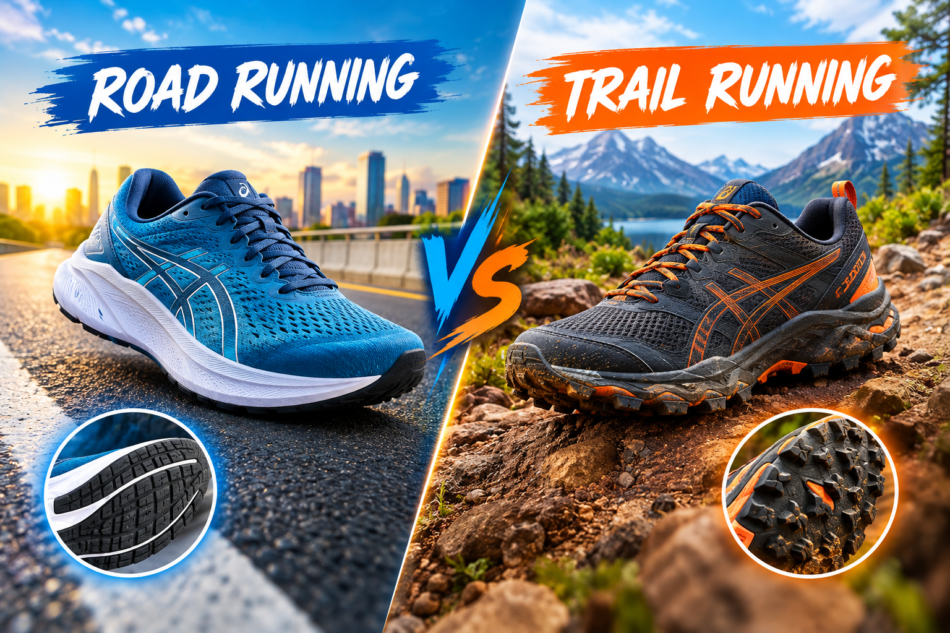
Choosing the right running shoes becomes easier when you understand your regular running environment. Road and trail shoes may look similar, but their designs serve different purposes. Road running usually takes place on pavement, sidewalks, tracks, and other smooth surfaces. These conditions allow manufacturers to focus on lightweight construction, flexibility, and responsive cushioning. Trail running creates different demands because runners face rocks, roots, mud, gravel, and uneven ground. Therefore, trail shoes require stronger traction, greater stability, and additional protection. Your running surface should always influence your footwear decision. A comfortable road shoe may perform poorly on technical trails. Likewise, an aggressive trail shoe may feel unnecessarily heavy on pavement. Understanding these differences helps you avoid unsuitable footwear and improves your overall running experience. Before buying anything, consider your terrain, distance, weather conditions, running frequency, and personal comfort preferences.
For shoppers comparing running shoes for men in pakistan, the best choice depends on where and how they plan to run. Road shoes generally work well for city routes, treadmills, walking paths, and organized races. Their smooth outsoles create efficient contact with hard surfaces while keeping unnecessary weight low. Trail shoes offer stronger grip for dirt paths, rocky routes, muddy sections, and uneven terrain. Their construction often includes protective toe areas and stronger materials for demanding environments. However, choosing between both types should involve more than appearance. Think about your weekly mileage and the surfaces you encounter most often. Also consider seasonal weather because rain can change traction dramatically. If most runs happen on pavement, road shoes usually make more sense. If trails dominate your schedule, dedicated trail footwear provides better control, confidence, and protection.
Understanding Road Running Shoes
Road running shoes are designed for predictable surfaces where forward movement remains relatively smooth. Their midsoles usually focus on cushioning and responsiveness because pavement creates repetitive impact during every stride. Many models use lightweight foam that helps runners maintain an efficient rhythm over longer distances. Their uppers commonly feature breathable mesh, which improves airflow during warm training sessions. Road shoes also tend to use flexible forefoot sections that support natural movement during each step. Their outsoles usually contain shallower tread patterns because pavement does not require aggressive traction. This construction can reduce weight while maintaining suitable grip on dry surfaces. Road shoes therefore suit runners who train around neighborhoods, tracks, parks, and treadmills. They can also work well for beginners because their predictable design provides a familiar feel. However, runners should still prioritize proper fit, suitable cushioning, and personal comfort before choosing a specific model.
Key Features of Road Shoes
Several features separate road running shoes from footwear designed for rough terrain. Cushioning remains one of the most noticeable characteristics because road surfaces produce repeated impact. Manufacturers use different foam compounds to balance softness, energy return, and stability. Some shoes feel plush, while others provide a firmer and more responsive ride. Breathable uppers also help manage heat during longer runs, especially during warmer weather. Flexible construction allows the shoe to move naturally as the foot progresses through each stride. Meanwhile, relatively smooth rubber outsoles support efficient movement across pavement. These characteristics make road shoes practical for everyday training and competitive racing. However, their advantages become less useful on loose or technical ground. Shallow tread can struggle with mud, gravel, and wet rocks. Therefore, runners should avoid choosing road footwear simply because it feels comfortable indoors. The shoe should match the surface where most of your actual running takes place.
Understanding Trail Running Shoes
Trail running shoes are built for unpredictable surfaces where grip and stability become major priorities. Unlike pavement, trails can include loose gravel, mud, exposed roots, steep sections, and sharp rocks. These conditions require footwear that can maintain traction while protecting the runner’s feet. Trail shoes often use deeper outsole lugs that dig into soft or uneven ground. Their rubber compounds may also provide better grip across wet rocks and challenging surfaces. Many models include reinforced toe caps that protect against accidental contact with stones and roots. Some shoes also feature stronger upper materials that improve durability during demanding runs. Trail footwear can feel firmer or heavier than road models because of these additional features. However, modern designs continue reducing unnecessary weight without sacrificing protection. Runners who regularly explore technical trails should prioritize secure fit, dependable traction, and stable footing. These characteristics can make difficult terrain feel more manageable and controlled.
Why Trail Shoe Protection Matters
Protection becomes especially valuable when running across rocky or technical routes. A trail runner may encounter sharp stones, exposed roots, branches, or uneven ground without warning. Reinforced toe areas can reduce discomfort when the foot strikes an obstacle. Some trail models also include protective layers beneath the foot for additional defense. These features can make longer trail sessions more comfortable and less stressful. However, additional protection often adds weight and reduces flexibility slightly. Therefore, runners should choose protection according to the terrain they actually encounter. A runner using smooth forest paths may not need heavily reinforced footwear. Someone tackling rocky mountain trails may benefit from much stronger construction. Weather also influences the level of protection required. Wet conditions can make surfaces slippery and increase the importance of reliable traction. Ultimately, good trail footwear balances protection, grip, stability, and comfort without adding unnecessary features.
Road vs Trail Shoes: The Main Differences
The biggest difference between road and trail shoes involves the environments they are designed to handle. Road footwear prioritizes efficient movement across hard, predictable surfaces. Trail footwear focuses more heavily on traction, stability, and protection across unpredictable terrain. Their outsole designs demonstrate this difference clearly. Road shoes usually feature shallower patterns that work effectively against pavement. Trail shoes typically use deeper lugs that grip loose soil, mud, and rocky surfaces. Cushioning also differs because trail shoes often balance impact protection with greater ground control. Road models can provide softer and more energetic cushioning for repetitive pavement miles. Weight can differ as well, although modern trail shoes are becoming increasingly lightweight. Flexibility is another consideration because road shoes generally allow smoother movement. Trail models may feel more structured because stability matters on uneven surfaces. Understanding these differences helps runners choose footwear that matches their actual environment.
Cushioning and Stability
Cushioning affects comfort, impact management, and the overall feeling beneath your feet. Road shoes often provide cushioning designed for repetitive pavement impacts during long sessions. Their midsoles may feel soft, springy, or responsive depending on the foam technology. Trail shoes can also provide substantial cushioning, but stability often receives greater attention. Uneven terrain creates unpredictable landing angles, which can make excessive softness less desirable. Many trail models therefore combine cushioning with firmer sections or supportive structures. These features help runners maintain control when the ground changes quickly. However, there is no universally perfect cushioning level for every runner. Body weight, running style, distance, and personal preference all influence comfort. Therefore, runners should test different options when possible. A shoe that feels comfortable for one person may feel unstable or overly firm for another. The best cushioning should provide comfort while supporting confident movement across the intended running surface.
Outsole Grip and Traction
Outsole traction is one of the clearest differences between road and trail footwear. Road shoes use relatively shallow patterns because pavement generally provides consistent contact. Trail shoes require deeper lugs because dirt, mud, gravel, and rocks can reduce stability. Lug shape also matters because different designs perform differently across various surfaces. Wider patterns can shed mud more effectively, while closely spaced lugs may suit firmer trails. Rubber compounds also influence traction, particularly on wet rocks and technical terrain. Trail runners should therefore consider both lug depth and rubber characteristics. Using road shoes on demanding trails can create unnecessary slipping and reduce confidence. Conversely, aggressive trail lugs can feel less smooth on long pavement routes. They may also create additional resistance during repetitive road running. Therefore, neither design is automatically better. The correct outsole depends on the terrain, weather, and distance you regularly cover.
Which Shoes Should You Choose?
Your regular running environment should guide your final decision. Road shoes make sense when most of your mileage occurs on pavement, sidewalks, tracks, or treadmills. They offer smooth transitions, flexible movement, and efficient cushioning for predictable surfaces. Trail shoes become more appropriate when routes include loose dirt, rocks, roots, mud, or steep terrain. They provide additional grip and protection when surfaces become unpredictable. Consider your weekly routine rather than focusing on occasional running locations. If you run four days on pavement and one easy trail route, road shoes may remain your best primary option. However, frequent technical trail sessions justify dedicated trail footwear. Some runners may benefit from owning both types when their training includes different environments. A hybrid model can also work for runners who regularly switch between pavement and light trails. Ultimately, match your footwear to your most demanding and frequent running conditions.
Can One Pair Work for Both?
Some runners can successfully use one pair across different surfaces, but the terrain determines whether this approach works. Light trails with firm, maintained surfaces may not require aggressive trail footwear. In these situations, road shoes with moderate outsole patterns can provide sufficient traction. Hybrid shoes offer another useful solution because they combine road comfort with moderate trail grip. These models often feature slightly deeper lugs while retaining flexible cushioning for pavement. However, technical trails create greater demands that ordinary road shoes cannot handle effectively. Deep mud, loose gravel, wet rocks, and steep descents require stronger traction and stability. Similarly, aggressive trail shoes may feel uncomfortable during long pavement sessions. Their deep lugs can create a less natural ride across hard surfaces. Therefore, runners should assess their typical routes before choosing one versatile pair. A single shoe can work well for mixed training when its design matches the terrain.
How Weather Changes Your Choice
Weather can significantly change how running shoes perform across different surfaces. Dry pavement usually provides predictable traction, allowing road shoes to perform efficiently. Rain creates different challenges because wet surfaces can become slippery and less predictable. Trail conditions can become even more demanding after heavy rainfall. Mud, wet roots, and loose soil require deeper tread and reliable rubber compounds. Therefore, trail runners should consider seasonal weather when selecting their footwear. Road runners should also think about rain because smooth surfaces can become slippery. Breathability becomes another important consideration during hot weather. Lightweight mesh uppers can improve airflow and reduce heat buildup during warm runs. However, wetter conditions may require more protective materials or water-resistant construction. No shoe can eliminate every weather-related risk, so runners should adjust their pace accordingly. Choosing suitable footwear simply provides better support for the conditions you are likely to encounter.
Check Fit Before Choosing Performance Features
A technically advanced running shoe cannot compensate for an uncomfortable or incorrect fit. Your heel should remain secure without creating painful pressure around the ankle. Your toes should also have enough room to move naturally during longer runs. Feet can swell during exercise, so trying shoes later in the day can provide a better assessment. Wear the same socks you normally use during training when testing footwear. This approach helps you understand how the shoe will actually feel during running. Online shoppers should measure both feet carefully before selecting a size. Always compare your measurements with the manufacturer’s specific sizing chart. Shoe sizes can vary between brands, so never assume every model fits identically. Also consider whether your feet are narrow, wide, or unusually shaped. A secure and comfortable fit should remain the priority before advanced foam or outsole technology.
Consider Your Running Goals
Your training goals can also influence the most suitable running shoe design. Road racers may prioritize responsiveness, low weight, and efficient energy transfer. Long-distance runners might prefer greater cushioning and comfort during extended sessions. Trail runners often prioritize grip, stability, protection, and confidence on uneven terrain. Beginners should avoid choosing shoes simply because they look fast or technically advanced. Instead, focus on comfort, proper fit, and compatibility with your regular routes. Experienced runners can then explore specialized features such as different foam compounds or heel-to-toe drops. However, every feature should provide a practical benefit for your running style. A lightweight shoe may help faster training but offer less protection on technical trails. A heavily protected shoe may work well outdoors but feel excessive on pavement. Therefore, your goals should determine which compromises make sense. The right shoe supports your training without introducing unnecessary weight, discomfort, or instability.
Final Thoughts
Road and trail running shoes serve different purposes, even when their designs appear similar. Road shoes focus on cushioning, flexibility, responsiveness, and efficient movement across smooth surfaces. Trail shoes emphasize traction, stability, durability, and protection across unpredictable terrain. Therefore, your regular environment should influence your footwear decision more than appearance or marketing claims. Consider your routes, weather conditions, running distance, training goals, and personal fit preferences. Runners who mainly use pavement will usually benefit from road-focused footwear. Those exploring rocky, muddy, or uneven trails should consider dedicated trail models. Hybrid shoes can provide a practical middle ground for mixed routes and light trails. However, no single shoe performs perfectly everywhere. Choosing footwear according to your actual running conditions can improve comfort and confidence. When your shoes match your terrain, every training session becomes easier to manage and more enjoyable.


