 WhatsApp Us Now
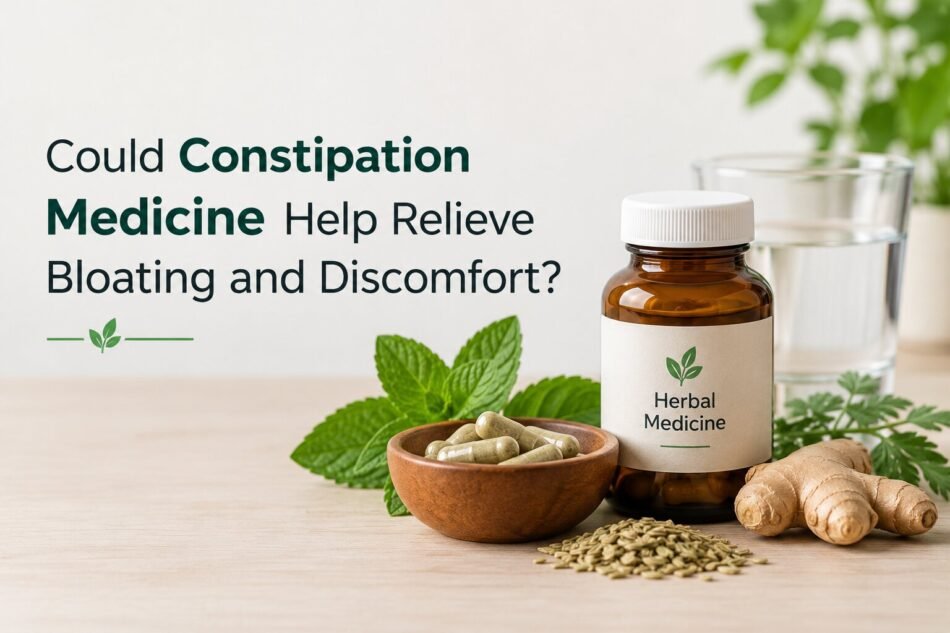
Constipation can sometimes contribute to bloating, gas, abdominal fullness, and discomfort. Learn how constipation treatment may help, along with dietary and lifestyle habits that support regular bowel movements and signs that may require medical attention.
Constipation can affect more than bowel movements. When stool remains in the digestive tract for longer than usual, some people may also experience bloating, abdominal fullness, gas, or general discomfort. For this reason, people searching for constipation medicine in Pakistan may also want to know whether constipation relief can improve these related digestive symptoms.
The answer depends on what is causing the discomfort. If bloating is linked to constipation, improving bowel regularity may help reduce the feeling of fullness. However, bloating can also have other causes, including certain foods, food intolerance, digestive conditions, or changes in eating habits.
How Can Constipation Contribute to Bloating?
Constipation may develop when bowel movements are less frequent or passing stool becomes difficult. Stool can become hard and remain in the bowel for an extended period, which may contribute to abdominal pressure and discomfort.
When digestion and bowel movements slow down, gas may accumulate and become trapped in the digestive tract. This may create a sensation of fullness or swelling around the abdomen.
Common constipation-related symptoms can include:
- Passing hard or dry stools that require more effort than usual.
- Having fewer bowel movements than is normal for your usual routine.
- Feeling that the bowel has not emptied completely after using the toilet.
- Experiencing abdominal fullness, pressure, or discomfort during constipation.
- Straining during bowel movements because stool has become difficult to pass.
Not everyone experiences the same combination of symptoms. Some people mainly notice difficulty passing stool, while others experience considerable bloating and abdominal discomfort.
Could Treating Constipation Reduce Bloating?
When constipation is directly contributing to bloating, improving bowel regularity may help reduce some of the associated discomfort. Removing retained stool can allow the digestive tract to function more comfortably.
However, constipation treatment does not automatically resolve every case of bloating. The two symptoms can occur together for different reasons.
When the symptoms are connected
If bloating appears alongside infrequent bowel movements and improves after passing stool, constipation may be contributing to the discomfort.
When another cause may be involved
Persistent bloating despite regular bowel movements may point toward another digestive issue. Food intolerance, excessive gas, dietary changes, and certain gastrointestinal conditions can all contribute to abdominal bloating.
For this reason, repeatedly using constipation remedies without considering the underlying cause may not be the most appropriate approach.
What Are the Common Causes of Constipation?
Constipation can develop from everyday habits as well as certain medical conditions. Identifying possible triggers can make it easier to improve bowel regularity.
Some common factors include:
- A diet that contains too little dietary fiber from fruits, vegetables, and whole grains.
- Not drinking enough fluids throughout the day.
- Spending long periods sitting with limited physical activity.
- Ignoring the natural urge to have a bowel movement.
- Changes in routine, travel, or eating patterns that affect digestion.
- Certain medicines that can slow bowel movements as a side effect.
- Stress or changes in daily habits that influence digestive function.
Occasional constipation is common, but frequent or persistent constipation deserves closer attention.
Can Dietary Changes Support Better Bowel Regularity?
Food choices can play an important role in maintaining regular bowel movements. Fiber adds bulk to stool and can support its movement through the digestive tract.
Good dietary sources include fruits, vegetables, legumes, whole grains, and other fiber-rich foods.
Increasing fiber gradually may be more comfortable than making a sudden large change. A rapid increase can sometimes cause additional gas or bloating, particularly when fluid intake is low.
Simple dietary habits
A balanced eating pattern may support digestive comfort alongside adequate hydration and regular physical activity.
- Add fiber-rich foods gradually rather than making sudden major dietary changes.
- Include vegetables and fruits regularly as part of balanced meals.
- Choose whole grains when suitable for your individual dietary needs.
- Drink sufficient fluids throughout the day to support normal bowel function.
- Limit foods that repeatedly trigger gas or bloating for your individual digestion.
Individual dietary needs vary, particularly for people with existing digestive conditions.
What Role Does Hydration Play in Constipation?
Adequate fluid intake is important for normal digestive function. When the body does not receive enough fluids, stool may become harder and more difficult to pass.
Drinking water regularly throughout the day can support softer stool, particularly when combined with an appropriate amount of dietary fiber.
However, simply drinking large amounts of water is not a guaranteed solution for chronic constipation. Bowel habits are influenced by diet, movement, medications, health conditions, and other factors.
People with certain medical conditions may also have specific fluid restrictions, so individual medical advice should take priority when applicable.
Can Physical Activity Help With Digestive Comfort?
Regular physical movement may support normal bowel activity. Long periods of inactivity can contribute to sluggish bowel habits in some people.
Walking, stretching, and other forms of moderate activity can be incorporated into a daily routine according to individual ability.
Even small changes may be useful, such as taking short walking breaks during long periods of sitting. People with mobility limitations or medical conditions should choose activities appropriate for their circumstances.
Physical activity can also support general well-being, which may indirectly contribute to healthier digestive habits.
What Should You Know About Herbal Medicine?
Interest in herbal medicine in Pakistan is closely connected with the country’s long-standing traditions of herbal and Unani wellness. Traditional digestive preparations have historically been used to support bowel regularity and digestive comfort.
Herbal ingredients may be prepared in different forms, including teas, powders, syrups, capsules, and compound formulations. Their traditional uses can vary depending on the ingredients and preparation.
Natural products should still be used carefully. Herbal ingredients may affect the body and can interact with medicines or may not suit everyone.
Responsible use of herbal preparations
People choosing a traditional digestive remedy should consider the following points:
- The full list of ingredients and the suggested serving directions.
- Possible allergies or sensitivities to individual herbal ingredients.
- Existing medical conditions and medicines being taken regularly.
- Age-specific guidance and suitability for children or older adults.
- Storage instructions, expiry dates, and information provided by the manufacturer.
Traditional use does not mean that a preparation is suitable for every person or every type of constipation.
How Should Constipation Medicine Be Considered?
There are different approaches to constipation relief, and the appropriate choice depends on the severity and cause of the problem.
Some constipation treatments work by increasing stool bulk, while others help soften stool or encourage bowel movement. Certain traditional preparations may also be used for digestive support.
People should follow the recommended directions rather than assuming that taking more will produce faster relief.
If constipation happens repeatedly, treating the symptom without addressing factors such as diet, hydration, inactivity, or medication side effects may provide only temporary improvement.
Can Constipation Medicine Help With Gas and Abdominal Discomfort?
It may help when gas and discomfort are partly related to retained stool. Once bowel movements become more regular, some people may notice less abdominal pressure or fullness.
However, constipation medicine is not specifically a treatment for every type of gas or bloating.
Bloating that continues after constipation improves may have another cause. Eating too quickly, consuming certain fermentable foods, food intolerance, and digestive disorders can all contribute to excess gas or abdominal distension.
A persistent change in digestive symptoms should therefore be assessed rather than repeatedly treated without identifying the possible cause.
What Habits Can Help Prevent Constipation?
Prevention often involves maintaining several healthy habits consistently rather than relying on one particular remedy.
A practical routine may include:
- Maintain regular meal times to support a consistent digestive routine.
- Respond to the urge to use the toilet instead of repeatedly delaying it.
- Include suitable sources of dietary fiber in everyday meals.
- Drink enough fluids according to your individual health requirements.
- Stay physically active within your personal fitness and health limitations.
- Pay attention to foods that repeatedly trigger bloating or digestive discomfort.
These habits can support normal bowel function but cannot prevent every case of constipation.
When Should Constipation and Bloating Be Medically Assessed?
Occasional constipation is usually not a cause for serious concern. Some symptoms may require medical attention, especially when they appear suddenly, become severe, or continue.
Contact a healthcare professional if constipation is accompanied by:
- Abdominal pain that is severe, ongoing, or fails to improve with time.
- Blood in the stool or rectal bleeding.
- Frequent vomiting or difficulty keeping liquids down.
- Unexplained weight loss alongside ongoing digestive symptoms.
- A sudden and persistent change in normal bowel habits.
- Severe abdominal swelling with an inability to pass stool or gas.
Urgent medical care may be needed when severe pain, vomiting, significant abdominal swelling, or inability to pass stool and gas occurs together.
Frequently Asked Questions
Can constipation cause bloating?
Yes. Constipation can contribute to abdominal fullness and bloating because stool remains in the bowel for longer and gas may become trapped.
Can treating constipation reduce abdominal discomfort?
If constipation is contributing to the discomfort, improving bowel regularity may reduce pressure and fullness. Other causes of bloating may require a different approach.
Is herbal medicine suitable for constipation?
Some herbal preparations are traditionally used for digestive and bowel support. Suitability depends on the ingredients, dosage, health conditions, and medicines a person may be taking.
What foods can support regular bowel movements?
Fiber-rich foods such as fruits, vegetables, legumes, and whole grains can support bowel regularity when introduced appropriately and combined with adequate fluid intake.
When should persistent constipation be checked by a doctor?
Medical advice is appropriate when constipation is persistent, repeatedly returns, or occurs with symptoms such as bleeding, severe abdominal pain, vomiting, unexplained weight loss, or major changes in bowel habits.
Conclusion
Constipation can sometimes contribute to bloating, abdominal fullness, gas, and general digestive discomfort. When these symptoms are directly connected to irregular bowel movements, improving bowel regularity may help ease some of the discomfort.
Dietary fiber, adequate hydration, physical activity, and regular toilet habits can support healthy digestion. Traditional herbal approaches may also be considered by people interested in natural digestive support, but they should be selected and used responsibly.
Anyone experiencing persistent constipation or ongoing bloating should consider the underlying cause rather than relying repeatedly on symptom relief. Severe pain, bleeding, vomiting, unexplained weight loss, or major changes in bowel habits require appropriate medical evaluation.


