 WhatsApp Us Now

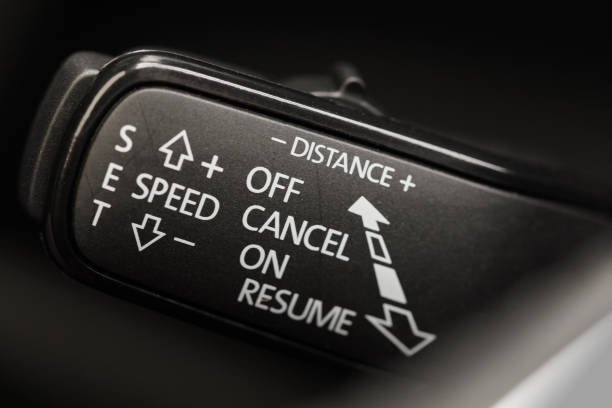
Highway driving used to mean constant pedal adjustments. Speed up, slow down, repeat for hours. Adaptive cruise control changed that experience significantly. This technology monitors traffic ahead and adjusts your speed automatically. Yet many drivers still misunderstand how it actually works. Some assume it drives the car entirely by itself. Others never activate it, missing genuine comfort and safety benefits. Understanding this system helps you use it correctly and confidently. It also helps you evaluate this feature when shopping for new vehicles. This guide explains adaptive cruise control in clear, practical terms. You will learn how the technology functions and how to use it safely. Let’s start with the basic mechanics behind this popular feature.
Adaptive cruise control builds upon traditional cruise control technology. Traditional systems simply maintain a constant speed you set manually. Adaptive systems add sensors that detect vehicles ahead continuously. These sensors typically combine radar and camera technology for accurate detection. When a slower vehicle appears ahead, your car automatically reduces speed. Once that vehicle moves away or speeds up, your car accelerates back. This happens smoothly, without requiring driver intervention during normal conditions. Most systems let you set a following distance preference too. Shorter distances feel more aggressive, while longer distances feel more cautious. This customization helps match the system to your personal driving comfort level. Understanding these basics helps explain why this feature significantly reduces highway driving fatigue for many drivers.
Testing this feature firsthand reveals real differences between manufacturers. Our 2026 Audi S5 review specifically evaluated how smoothly its adaptive cruise control handled varying highway traffic conditions. Some systems feel jerky during acceleration and deceleration transitions. Others feel remarkably smooth, almost mimicking natural human driving patterns. Response time also varies significantly between different manufacturers and model years. Faster-reacting systems provide more confidence during sudden traffic slowdowns. Test driving this feature specifically helps you evaluate real-world performance beyond spec sheet claims. Pay attention to how naturally the system accelerates and brakes during your test drive. This hands-on evaluation reveals quality differences that brochures and advertisements simply cannot demonstrate accurately.
How the Sensor Technology Works
Adaptive cruise control relies on multiple sensor types working together continuously. Radar sensors, typically mounted in the front grille, detect vehicle distance and speed. These sensors work reliably across most weather conditions, including light rain. Camera systems add visual confirmation, helping identify lane markings and vehicle types. Some advanced systems incorporate lidar sensors for even more precise measurements. The vehicle’s computer processes this sensor data constantly, many times per second. This rapid processing allows split-second speed adjustments as traffic conditions change. When sensors detect a slower vehicle ahead, the system calculates appropriate braking force needed. It then applies this braking smoothly, avoiding jarring, sudden stops when possible. Understanding this sensor foundation helps explain both the capabilities and occasional limitations drivers experience during actual highway use.
Radar Versus Camera-Based Systems
Different manufacturers emphasize different sensor combinations for their adaptive cruise systems. Radar-heavy systems excel at detecting distance and closing speed accurately. They perform reliably in darkness and moderate weather conditions too. However, radar alone struggles to distinguish between different object types clearly. Camera-based systems add crucial visual context, identifying vehicles, cyclists, and pedestrians separately. This visual data helps the system make smarter, more nuanced decisions. Combining both sensor types typically produces the most reliable overall performance. Ask manufacturers specifically which sensor combination their vehicle uses. This technical detail significantly affects real-world performance across varying conditions. Systems relying heavily on cameras alone sometimes struggle during heavy rain or dense fog. Understanding your specific vehicle’s sensor setup helps you anticipate its particular strengths and limitations accurately.
Setting Following Distance and Speed
Most adaptive cruise control systems offer adjustable following distance settings. These typically range from close to far, often shown as multiple bar icons. Closer settings maintain tighter gaps, useful during heavy traffic conditions. Farther settings provide more reaction time, ideal for higher speed highway cruising. Experiment with different settings during your ownership to find personal comfort levels. Weather conditions should influence your chosen setting significantly. Wet or icy roads warrant longer following distances for safety margins. Setting your desired cruising speed works similarly to traditional cruise control. Use steering wheel controls to increase or decrease your target speed easily. Some systems automatically adjust speed based on posted speed limit signs detected by cameras. This feature adds convenience, though manual verification remains wise for accuracy and safety.
Adjusting to Traffic and Road Conditions
Adaptive cruise control performance varies across different traffic and road scenarios. Heavy stop-and-go traffic tests the system’s responsiveness significantly. Many modern systems handle complete stops and restarts smoothly now. Highway merging situations require driver attention, since systems sometimes react slowly to entering vehicles. Curved roads can also challenge some systems, particularly regarding vehicles in adjacent lanes. Construction zones with lane shifts require increased driver vigilance and manual override readiness. Practice using this feature during varied conditions to understand its specific limitations. Some drivers prefer disabling adaptive cruise during complex urban driving scenarios entirely. Reserve it primarily for consistent highway conditions where its strengths shine brightest. This selective usage approach maximizes both convenience and safety across your typical driving situations.
Safety Considerations and Driver Responsibility
Adaptive cruise control assists drivers rather than replacing attentive driving entirely. This distinction matters enormously for safe, responsible usage. Keep your hands on the steering wheel consistently, even with the system engaged. Stay visually focused on the road ahead, regardless of automated speed adjustments. Understand that sensors have limitations, particularly during severe weather or unusual road conditions. Sudden, unexpected obstacles might not receive adequate system response time. Always remain ready to brake manually if the situation demands immediate action. Read your owner’s manual thoroughly to understand specific system limitations. Practice manual override procedures until they become instinctive during actual emergencies. This responsible approach combines helpful technology with continued driver attention and quick reflexes, ensuring genuine safety benefits rather than dangerous overconfidence.
Final Thoughts
Adaptive cruise control significantly improves highway driving comfort when understood and used properly. Learn how sensor technology detects and responds to surrounding traffic. Test different following distances to find your personal comfort preference. Remain attentive and ready to intervene, regardless of system capabilities. With this knowledge, adaptive cruise control becomes a valuable, confidence-building driving companion rather than a confusing convenience feature.


