 WhatsApp Us Now

Introduction
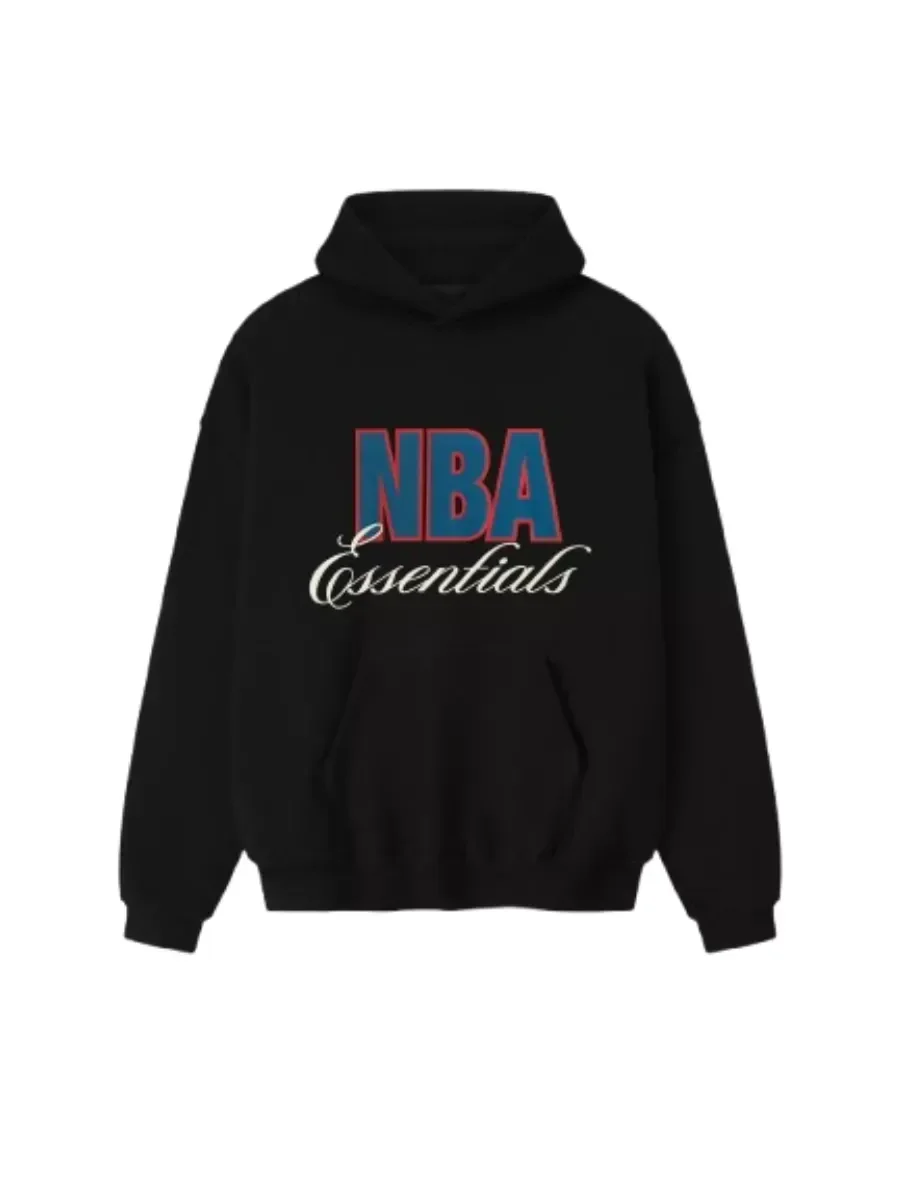
Walk into any middle school hallway, college campus, or suburban shopping center in America right now, and you will see it. The word “Essentials” stamped across the chest in bold, unmissable letters, with “Fear of God” tucked underneath in smaller type. It is not flashy. It does not shout for attention. Yet somehow, this unassuming hoodie has become one of the most recognizable garments in contemporary fashion.
The Fear of God Essentials hoodie is not just a piece of clothing. It is a cultural marker, a status symbol for a generation that values authenticity over logos, comfort over constriction, and quiet confidence over loud branding. Parents know the price tag well—somewhere between $130 and $200 for a single piece. Teenagers know the feeling of finally unboxing one. And fashion observers know that this is not a trend that is fading anytime soon.
But what exactly makes this hoodie worth the investment? Why do people who could buy anything choose this? And how do you make sure you are getting the real thing when the market is flooded with imitations? This guide answers all of that and more, written for the American consumer who wants substance, not hype.
The Essentials Hoodie: Where Simplicity Meets Substance
The genius of the Essential hoodie lies in what it refuses to do. It does not chase trends. It does not plaster the body with graphics. It does not try to prove anything. Instead, it offers something increasingly rare in modern fashion: a garment that feels intentional without trying hard.
The construction tells the real story. Authentic Essentials hoodies use heavyweight cotton fleece, typically around 380gsm or higher, which gives the fabric a substantial drape that resists clinging to the body. Pick one up by the shoulders and you feel the weight immediately. This is not a hoodie that will lose its shape after a few washes. This is a hoodie designed to hold its structure across seasons of regular wear.
The silhouette is deliberately oversized, but not in a chaotic way. The shoulders drop intentionally, landing two to three inches below the natural shoulder line. The chest is roomy. The body length is controlled, hitting right at the hip rather than hanging excessively low. The result is a garment that reads as relaxed but refined, comfortable but considered.
Jerry Lorenzo, the designer behind Fear of God, built his brand on this philosophy. The Essentials line, launched in 2018 as a more accessible counterpart to the main Fear of God label, carries the same design DNA at a price point that more people can reach. The hoodie sits at the center of that collection, functioning as the anchor piece around which everything else revolves.
The Essentials T-Shirt: The Foundation Layer Done Right
If the hoodie is the anchor, the Essentials T-shirt is the foundation. What separates this tee from the dozens of others in your drawer is the attention to details most brands ignore.
The first thing you notice is the collar. It is not a standard crewneck that lies flat and loses shape. It is a high mock neck ribbed collar that sits close to the neck and holds its structure. When you first put it on, it may feel slightly snug—that is intentional. The collar relaxes just enough after a few wears to become comfortable without losing its shape.
The second detail is the drop-shoulder seam. Like the hoodie, the T-shirt places the seam on the mid-bicep rather than at the natural shoulder point. This creates a relaxed, architectural drape that falls straight off the body rather than clinging to it. Combined with heavyweight cotton jersey construction, the tee feels substantial in the hand and maintains its shape through repeated washing.
The T-shirt comes in the same neutral palette that defines the entire Essentials line—black, grey, cream, oatmeal, and seasonal earth tones. These are not colors chosen at random. They are colors designed to work together, to layer easily, and to stay relevant beyond a single season. A black Essentials tee and a pair of grey sweatpants is a complete outfit that looks intentional with zero effort.
The Essentials Sweatshirt: The Hoodie’s Quieter Sibling
Not everyone wants a hood. The Essentials sweatshirt—specifically the crewneck style—offers the same heavyweight construction and oversized proportions as the hoodie, minus the hood and drawstrings.
The crewneck reads slightly cleaner than the hoodie. The neckline sits higher and more structured, framing the face differently. Paired with denim and minimal sneakers, it occupies a space between loungewear and elevated casual that is difficult to achieve with most sweatshirts. The fleece is soft but substantial, with a brushed interior that provides warmth without bulk.
Where the sweatshirt truly shines is in layering. It works comfortably over a T-shirt and under an overcoat, adding texture and visual weight without creating proportional conflict. The neutral colorways make it easy to coordinate with whatever else is in your rotation.
For buyers who want the Essentials aesthetic without the hood, the sweatshirt is the logical choice. It delivers the same boxy drape, the same dropped shoulder, and the same fabric weight. The only thing missing is the hood—and for some people, that is exactly the point.
The Essentials Tracksuit: A Complete System, Not Just Two Pieces
Buying an Essentials hoodie and a pair of Essentials sweatpants separately does not create a tracksuit. It creates two garments that happen to share a logo. The authentic Essentials tracksuit functions as a proportional system, and understanding that system is the key to wearing it correctly.
The most common mistake buyers make is ordering different sizes for the top and bottom based on individual body measurements. Someone with a broad chest might order a large hoodie and medium sweatpants, thinking they are accommodating their proportions. What they actually create is a top-heavy visual imbalance that fights the coordinated aesthetic the set was designed around.
The rule is simple: order the same size for both pieces. The wide chest of the hoodie balances against the relaxed thigh of the sweatpants at equivalent size labels. The tapered ankle of the sweatpants complements the structured drape of the hoodie above. When both pieces share the same size template, the outfit reads as intentional. When they do not, it reads as two separate garments that happen to match in color.
The tracksuit is the easiest “one decision” outfit in existence. Pick a matching set, wear it as is, and let the fit do the work. Clean white sneakers, minimal accessories, and you are done.
The Size and Fit Guide: Understanding the “Oversized” Illusion
The most persistent misconception about Essentials sizing is that the garments “run big.” They do not run big. They run intentionally.
The confusion occurs because buyers compare Essentials pieces to regular-fit hoodies and T-shirts from other brands. That is the wrong frame of reference. An Essentials hoodie in your true size is designed to have a wide chest and dropped shoulders. The body length, however, is controlled—it hits at the hip, not below it. The garment is broad but not excessively long.
For the full intended silhouette, stay true to size. For a slightly trimmer look that still maintains the dropped shoulder and boxy structure, size down one. Never size down two—the proportions break and the garment no longer reads as an Essentials piece.
Slim builds typically find that true to size adds welcome dimension. Athletic and broad builds should stay true to size to avoid tightness across the shoulders. When layering over a T-shirt or under a jacket, true to size provides the comfort and movement needed.
One more note on sizing: the heavyweight fleece construction means these garments are prone to shrinkage if washed incorrectly. Hot water and machine drying will compress the fibers and alter the proportions. Cold water washing and air drying protect both the fit and the fabric.
Care and Maintenance: Protecting Your Investment
An Essentials hoodie is not a disposable garment. It is an investment piece designed to last for years, but that longevity depends on how you care for it.
The rubberized logo appliqué is the most vulnerable element. The heat and pressure that bond the letters to the fleece during production can be reversed by heat and friction during washing. High heat from a dryer is the single fastest way to cause peeling.
The protocol is straightforward: turn the garment inside out before every wash, use cold water only, choose a gentle detergent without harsh enzymes or optical brighteners, and never put it in the dryer. Air drying flat or on a rack preserves the fabric weight, the logo integrity, and the fit.
For the flocked “1977” graphics found on some seasonal pieces, the care requirements are slightly different. The velvet-like fiber pile can compress permanently under high heat, so air drying is non-negotiable. A small amount of fiber shedding during the first few wears is normal and not a sign of defect.
Proper care is not glamorous. But it is the difference between a hoodie that looks good for one season and one that looks good for five.
Styling the Essentials Hoodie: The Cleanest Fit in Your Rotation
The oversized silhouette of the Essentials hoodie works best when the styling below the hem complements rather than competes with the wide chest and dropped shoulders.
Wide-leg denim, relaxed track pants, and straight-cut cargo pants all balance the chest width by providing equivalent visual volume through the leg. Slim or skinny leg options create a top-heavy proportion that fights the silhouette rather than working with it.
For shoes, minimal is almost always better. Clean white leather sneakers, low-profile athletic shoes, and understated boots all read correctly under the tapered ankle cuff of Essentials sweatpants. Chunky oversized sneakers can fight the structured taper of the bottom silhouette.
Layering over the hoodie should respect the wide chest proportions. A structured overcoat or puffer vest in a complementary neutral adds seasonal weight without creating proportional conflict. Narrow-lapel blazers or slim-cut jackets create visual tension against the boxy hoodie underneath.
The beauty of the Essentials palette is that it coordinates naturally. Black, grey, cream, oatmeal, and the seasonal earth tones all work together without requiring careful color matching. You can build a complete capsule wardrobe around a handful of Essentials pieces and never worry about whether things go together.
Authenticity: How to Spot a Fake
The popularity of Essentials has created a secondary market flooded with counterfeits. Knowing how to authenticate is essential for anyone buying outside of authorized retailers.
The flocked “1977” graphic on seasonal pieces should feel distinctly raised and slightly velvet-like under your fingertip. Flat or rubbery texture is an immediate red flag. The rubberized back neck tag should be heat-applied cleanly with no lifted edges.
The fabric itself tells a story. Authentic Essentials hoodies use heavyweight cotton fleece that has a specific weighted drape. Counterfeits typically use a lighter shell that lacks that structured fall across the chest. Pick up the garment by the shoulders—if it does not pull downward with its own mass, something is wrong.
The collar ribbing should have uniform tension around the full circumference. Replica ribbing frequently loses elasticity unevenly, creating a slight collapse on one side. These are small details, but they are the details that separate a genuine piece from an imitation.
Top 10 FAQs About Essentials Hoodies
1. Do Essentials hoodies run big?
No, they run intentionally oversized with a boxy chest and controlled body length.
2. Should I size down in an Essentials hoodie?
Size down one for a trimmer fit; never size down two or the proportions break.
3. How much does an Essentials hoodie cost?
Most Essentials hoodies retail between $130 and $200 depending on the style.
4. What is the difference between Fear of God and Fear of God Essentials?
Essentials is the more accessible diffusion line launched in 2018; mainline Fear of God pieces cost significantly more.
5. How do I wash an Essentials hoodie without ruining the logo?
Turn it inside out, wash cold, use gentle detergent, and never put it in the dryer.
6. Will my Essentials hoodie shrink?
It will shrink if washed in warm or hot water or machine dried; cold wash and air dry prevent shrinkage.
7. What sizes does the Essentials hoodie come in?
Essentials hoodies typically range from XS to XXL, with some seasonal releases offering extended sizing.
8. Is the Essentials hoodie worth the price?
Yes, if you value heavyweight construction, timeless design, and longevity over fast-fashion trends.
9. How can I tell if an Essentials hoodie is fake?
Check the logo texture, fabric weight, collar ribbing tension, and back neck tag application.
10. What colors do Essentials hoodies come in?
Core colors include black, grey, cream, and oatmeal, with seasonal earth tones like brown, taupe, and olive released throughout the year.
Final Thoughts:
The Essentials hoodie has achieved something rare in fashion. It has become simultaneously aspirational and accessible, coveted by teenagers and worn by their parents, respected by style critics and embraced by people who could not care less about fashion criticism.
The reason is simple. The Essentials hoodie delivers on its promise. It is comfortable. It is well-made. It looks good without trying. In a market saturated with loud branding and disposable trends, it offers something quieter and more durable: a garment that respects the wearer’s intelligence and the wearer’s wallet, even at a premium price point.
Whether you are buying your first one or adding to a collection, the Essentials hoodie is more than a purchase. It is an investment in a piece that will remain in rotation long after the current trend cycle has moved on. And that, more than any logo or celebrity endorsement, is what makes it truly essential.


