 WhatsApp Us Now
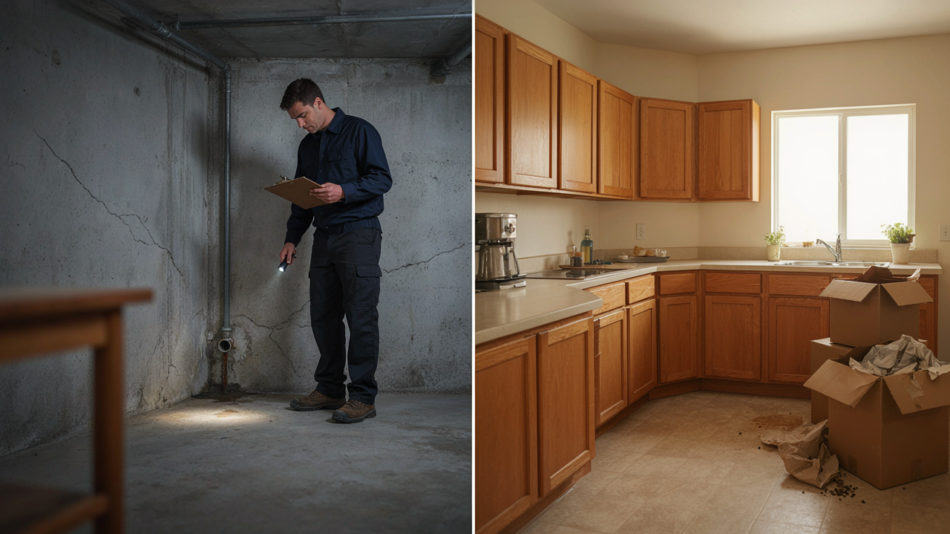
Living in Chicago comes with plenty of benefits, but homeowners also have to deal with pests throughout the year. From ants appearing in the kitchen to mice finding their way into basements, unwanted pests can quickly become a frustrating household problem.
The good news is that many infestations can be reduced with simple, consistent preventive steps. Common Pest Prevention starts with making your home less attractive to pests by limiting access to food, water, and shelter. The EPA also recommends prevention and Integrated Pest Management (IPM) as important parts of responsible household pest control.
Whether you own a single-family home, condo, or apartment, this Chicago Homeowners Guide will help you understand the habits that can make your home less inviting to common pests.
Why Pest Prevention Matters in Chicago
Chicago homes can provide everything pests need to survive: warmth, moisture, food, and hiding places. During colder weather, rodents and insects may look for protected indoor spaces. During warmer months, ants, mosquitoes, flies, and other pests can become more active.
Once pests find a reliable source of food or water, they may continue returning. That is why simply removing a few visible insects does not always solve the underlying problem.
Effective pest prevention focuses on addressing the conditions that attract pests in the first place. According to the EPA, eliminating food, water, and shelter while sealing possible entry points can help reduce pest problems.
1. Keep Food Properly Stored
Food is one of the biggest reasons pests enter homes. Crumbs on countertops, open food packages, overflowing trash cans, and uncovered pet food can attract ants, cockroaches, mice, and other unwanted visitors.
Make food storage part of your everyday routine:
- Store dry foods in tightly sealed containers.
- Clean crumbs and spills as soon as possible.
- Avoid leaving dirty dishes in the sink overnight.
- Keep countertops and kitchen floors clean.
- Empty garbage regularly and use containers with secure lids.
- Store pet food properly instead of leaving open bags accessible.
Even small amounts of food can be enough to attract pests, so consistency matters.
2. Fix Leaks and Control Moisture
Pests need water just as much as they need food. Small plumbing leaks, condensation, damp basements, and standing water can create attractive conditions for insects and rodents.
Check areas around sinks, toilets, refrigerators, washing machines, and water heaters for signs of moisture. Repair dripping faucets and leaking pipes promptly.
Also pay attention to less obvious sources of water. Water sitting in plant trays, clogged gutters, or containers around the property can contribute to pest activity. The EPA specifically recommends eliminating standing water and fixing plumbing leaks as part of household pest prevention.
3. Seal Cracks and Possible Entry Points
A pest does not need a large opening to get inside. Small cracks around windows, doors, foundations, utility lines, and pipes can provide access.
Walk around your home and look for gaps or damaged areas. Pay particular attention to:
- Gaps around pipes and utility lines
- Cracks around doors and windows
- Damaged screens
- Openings near the foundation
- Gaps underneath doors
- Holes around vents
Use appropriate caulk, weatherstripping, mesh, or other suitable materials to close these openings. Preventing pests from entering is often easier than dealing with an established infestation.
4. Reduce Clutter Inside and Outside
Clutter gives pests places to hide and build nests. Cardboard boxes, stacks of newspapers, unused furniture, and piles of stored materials can create convenient hiding spots.
Keep storage areas organized and avoid allowing items to sit directly against walls or floors for long periods.
Outside, keep firewood, leaves, and other organic materials away from the home’s foundation when possible. Trim vegetation that touches the house and regularly inspect outdoor areas for signs of pest activity.
A cleaner, more organized environment makes it easier to spot pest activity early.
5. Know the Common Household Pests
One of the most important parts of Preventing Household Pests is knowing what you are looking for.
Chicago homeowners may encounter pests such as:
Mice and rats: Look for droppings, gnaw marks, scratching sounds, or damaged food packaging.
Ants: Trails near windows, doors, sinks, and food sources can indicate activity.
Cockroaches: Check dark, warm, and damp areas such as kitchens, bathrooms, and spaces around appliances.
Flies: Garbage, food waste, drains, and other organic materials can attract them.
Bed bugs: Check mattresses, bed frames, furniture, and luggage after travel or when unexplained signs appear.
Correct identification matters because different pests require different prevention and control strategies. The EPA recommends monitoring and identifying pests before deciding on a control method.
6. Inspect Your Home Regularly
Don’t wait until you see several pests before checking your property. Regular inspections can help you discover small problems before they become larger ones.
Every few weeks, inspect basements, attics, kitchens, bathrooms, garages, and storage areas. Look for droppings, damaged materials, insect activity, nests, unusual odors, or new cracks and gaps.
Pay special attention after major weather changes. Heavy rain, cold temperatures, and seasonal transitions can change pest behavior and encourage pests to seek shelter indoors.
7. Be Careful With DIY Pest Treatments
When homeowners discover pests, the first reaction may be to reach for a pesticide spray. However, using more product does not necessarily mean better results.
The EPA recommends trying prevention first and following pesticide labels carefully when products are necessary. It also advises against using outdoor pesticides indoors.
Instead of repeatedly treating visible pests, consider addressing the conditions that allowed them to enter. Traps, exclusion methods, sanitation, monitoring, and targeted treatments can all be part of an Integrated Pest Management approach.
When to Call a Pest Control Professional
Prevention can go a long way, but some pest problems require professional attention. If you repeatedly see pests despite cleaning and sealing entry points, notice signs of rodents, discover a large infestation, or cannot determine where pests are coming from, professional inspection may be appropriate.
A pest professional can help identify the pest, locate potential entry points, determine conditions contributing to the problem, and recommend an appropriate treatment strategy.
The goal should not simply be to eliminate the pests you can see. A good prevention plan also addresses the reasons they entered in the first place.
Make Pest Prevention a Year-Round Habit
The most effective Common Pest Prevention strategy is not a single treatment—it is a collection of small habits performed consistently. Keeping food sealed, controlling moisture, reducing clutter, sealing entry points, and inspecting your home regularly can make your property less attractive to pests.
For Chicago homeowners, prevention is especially useful because seasonal changes can affect pest activity throughout the year. By following these practical steps and getting professional help when necessary, you can take a proactive approach to protecting your home.
A pest-free home starts with making it difficult for pests to find the food, water, shelter, and access they need to settle in.


