 WhatsApp Us Now
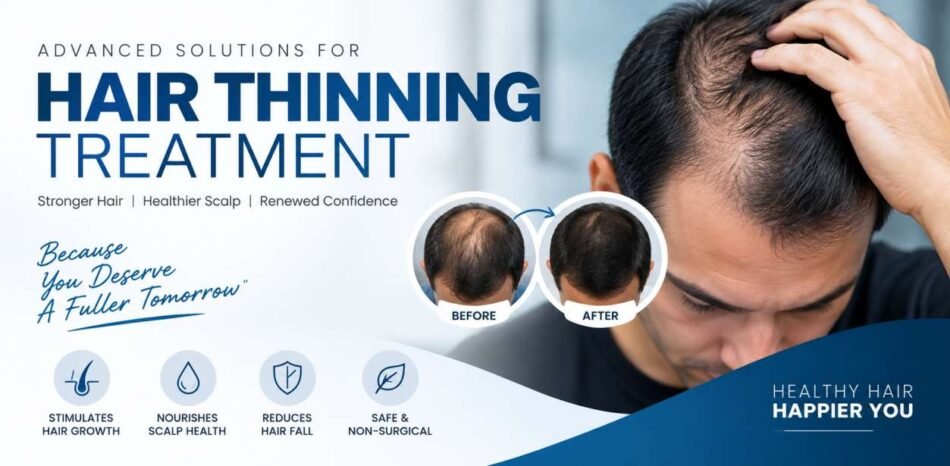
Hair thinning is a common concern that can affect confidence and overall appearance. Factors such as genetics, aging, hormonal changes, stress, nutritional deficiencies, lifestyle habits, and scalp conditions may contribute to gradual hair loss. A professional hair thinning treatment can help identify potential causes and provide a personalized approach to improving hair and scalp health.
Understanding Hair Thinning
Hair thinning occurs when hair density decreases or individual strands become finer over time. It may appear as increased hair shedding, a widening part, reduced volume, a receding hairline, or visible scalp areas.
Since hair loss can have different causes, understanding the reason behind thinning is an important first step toward choosing an appropriate treatment.
What Is Hair Thinning Treatment?
A hair thinning treatment is an approach designed to manage excessive shedding and support healthier hair growth. Depending on the cause, treatment may include topical solutions, prescription options, nutritional support, scalp-focused therapies, or hair restoration procedures.
A qualified professional can evaluate the scalp, hair pattern, and potential contributing factors before recommending an appropriate treatment plan.
Professional Approach to Hair Growth
Professional hair care focuses on treating the individual rather than using the same solution for everyone. A detailed assessment can help determine whether hair thinning may be related to hereditary factors, hormonal changes, nutritional concerns, scalp problems, or other causes.
Personalized treatment can then be selected according to the individual’s condition, goals, and suitability.
Natural Ways to Support Hair Growth
Alongside an appropriate hair thinning treatment, healthy lifestyle habits can help support overall hair health. A balanced diet containing adequate protein, vitamins, and minerals is important for normal hair growth.
Other helpful habits include maintaining scalp hygiene, managing stress, getting sufficient sleep, staying hydrated, and avoiding excessive heat styling or harsh chemical treatments.
Natural habits can complement professional care, but they may not be sufficient for every type of hair loss.
Benefits of Professional Hair Thinning Treatment
Professional treatment can help address persistent hair concerns with a structured and individualized approach. Depending on the underlying cause and treatment selected, potential goals may include reducing excessive shedding, supporting existing follicles, improving scalp health, and maintaining hair density.
Treatment results can vary between individuals, so realistic expectations and consistent follow-up are important.
When to Seek Professional Advice
Consider professional evaluation if you experience persistent hair shedding, noticeable thinning, a widening hair part, reduced hair density, or a receding hairline.
Sudden or unexplained hair loss may require medical evaluation because it can sometimes be associated with an underlying health or scalp condition.
Read also: Who Needs ISO 9001 Training in Qatar to Improve Quality Management Skills?
Choosing the Right Hair Thinning Treatment
The right hair thinning treatment depends on the cause, pattern, severity, and individual circumstances. Before beginning treatment, discuss the expected benefits, possible risks, treatment duration, and maintenance requirements with a qualified professional.
Avoid treatments that guarantee immediate or permanent hair growth. Evidence-based care and proper evaluation can help you make a more informed decision.
Conclusion
Professional hair thinning treatment can provide a personalized approach to managing hair loss and supporting healthier-looking hair. Combining appropriate professional care with balanced nutrition, good scalp hygiene, stress management, and healthy lifestyle habits can contribute to overall hair health.
If you are concerned about ongoing hair thinning or excessive shedding, consult a qualified healthcare or hair-loss professional for an appropriate evaluation and treatment plan.


