 WhatsApp Us Now
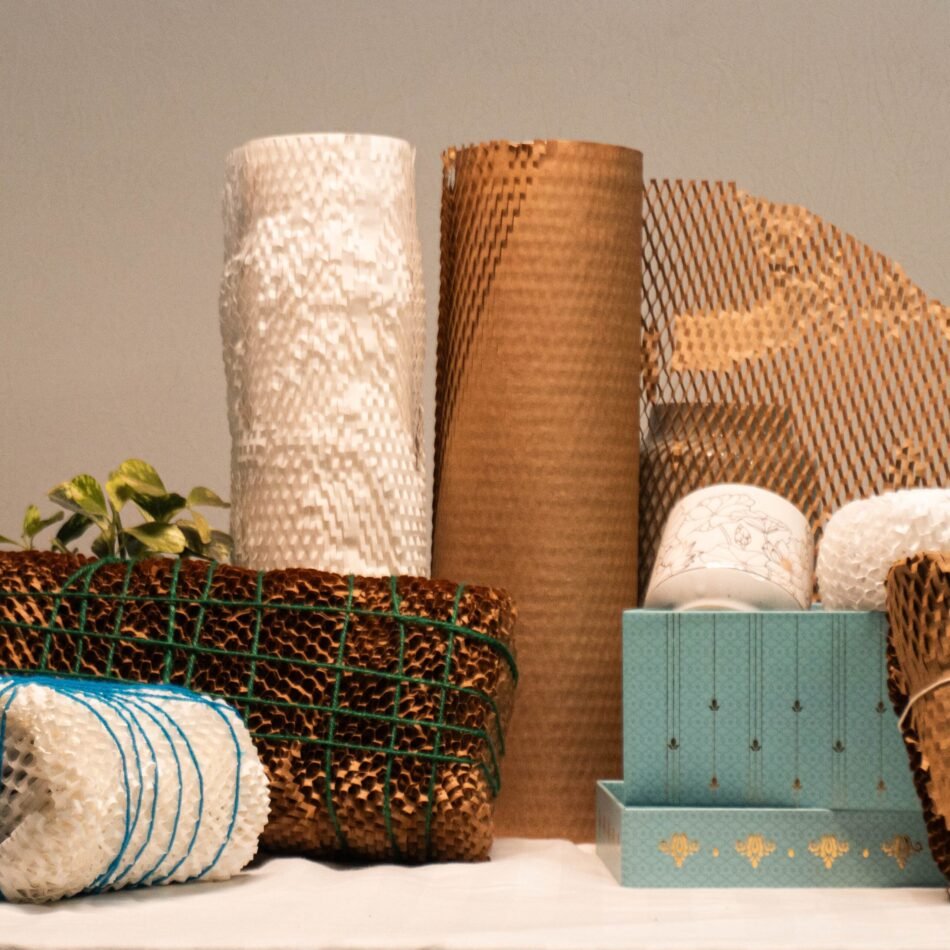
When you order medicines from a pharmacy, the most important thing is simple: the products should reach you safely and in proper condition.
A medicine delivery may contain bottles, blister packs, tubes, cartons, glass containers, cosmetic-health products, or multiple items packed together. While many of these products are not extremely fragile, they still need protection from movement, pressure, scratches, and rough handling during delivery.
This is why pharmacies are paying closer attention to their packaging choices.
Along with protecting products, pharmacies are also looking for ways to reduce unnecessary plastic and make their packaging more practical. Paper Packaging Material is becoming an option worth considering for several parts of the pharmacy delivery process.
But what makes paper useful for pharmacy packaging? And how can pharmacies use it without compromising product safety?
Let’s explore.
Why Pharmacy Deliveries Need Reliable Packaging
Pharmacy orders can look small, but packaging them properly can involve several challenges. A single customer order might contain five or six different products. One item could be a small bottle, another a cardboard medicine box, while another might be a tube or glass container.
If these products are simply placed together inside a shipping box or delivery bag, they can move around during transportation. That movement may cause products to hit each other or the sides of the package. Labels can become damaged, cartons can get crushed, and fragile containers may be exposed to unnecessary impact.
This is where suitable Paper Packaging Material can add another layer of protection.
The objective isn’t to overpack every order. Instead, pharmacies can use appropriate paper-based materials where they actually solve a packaging problem.
Reducing Unnecessary Plastic in Pharmacy Packaging
Plastic has traditionally been used for many protective packaging applications because it is lightweight, flexible, and easy to handle.
However, pharmacies and healthcare businesses are increasingly interested in reducing unnecessary single-use plastic where practical. This doesn’t mean plastic can be removed from every pharmacy shipment. Some medical products, sterile products, or regulated items may require specific packaging for safety and compliance. But protective packaging around the products can sometimes be reconsidered.
For example, Paper Packaging Material can potentially be used for wrapping, cushioning, separation, or filling empty spaces, depending on the application.
This gives pharmacies an opportunity to examine where paper-based protection can replace certain conventional protective materials without affecting product safety.
Using Paper to Reduce Product Movement
One of the simplest packaging problems to solve is unnecessary movement.
Imagine a customer orders several bottles and medicine cartons. The shipping box is slightly larger than the combined products, leaving gaps around them. During delivery, the products can shift into those empty areas. A suitable paper filler can help occupy some of that unused space and keep products more stable.
This is an important distinction: the purpose of filler isn’t to completely pack the box with paper. It is to provide enough support to reduce excessive movement. For pharmacies handling a high volume of daily orders, this small packaging improvement can become particularly useful.
Paper for Separating Multiple Products
Pharmacy orders often contain several different products in one package. A customer may order a bottle, cream tube, carton, and glass container at the same time. When multiple items are packed together, separation becomes important. Paper-based protective materials can be used between products to reduce direct contact. This can be particularly useful when products have different shapes or surface finishes.
For example, a glass bottle shouldn’t be allowed to repeatedly rub against a rigid carton during transportation. Using suitable Paper Packaging Material between products can create a simple protective barrier while keeping the package organized.
Honeycomb Paper for Additional Protection
Not every paper packaging solution performs the same job. Honeycomb paper is one option that pharmacies and healthcare-related businesses can consider when individual products require wrapping or additional surface protection. Its expandable structure can create a flexible protective layer around products.
A pharmacy shipping glass bottles, health-and-wellness products, or other delicate containers may use this type of wrapping depending on the product and shipping requirements.
The advantage is that the material can be wrapped around different shapes rather than being limited to one fixed format.
However, pharmacies should always evaluate the actual product before choosing a protective material. A lightweight plastic bottle and a heavy glass bottle may require different packaging methods.
Protecting Glass Pharmacy Products
Some pharmacy and healthcare-related products come in glass containers.
Glass bottles can be more sensitive to impact than many plastic containers, which makes packaging design important.
Wrapping the bottle is one step. Preventing movement inside the shipping carton is another.
A practical packaging system may therefore combine individual wrapping with suitable void filling.
The carton itself also matters. If the box is too large, there may be excessive movement. If it is too small, products may be compressed.
This is why Paper Packaging Material should be viewed as one part of the overall packaging system rather than a standalone solution.
Improving the Packing Process
A packaging material also needs to work for the people packing the orders.
Imagine a pharmacy fulfillment team preparing hundreds of orders every day. If every package requires several complicated steps, packing time can increase quickly.
This is where easy-to-handle paper packaging formats can be useful.
Depending on the material and setup, paper solutions can be organized around wrapping, filling, or separation requirements. Dispensers and standardized packing processes can also help teams use protective materials more consistently.
For growing pharmacies and e-pharmacy businesses, this operational side of packaging is easy to overlook.
The best packaging isn’t necessarily the material with the most protection. It is the material that provides appropriate protection while fitting into the actual workflow.
Paper Packaging Can Support a Cleaner Customer Experience
Packaging is also part of the delivery experience.
When customers open an order and find unnecessary layers of plastic, it may feel excessive.
Paper-based protective packaging can create a cleaner and more straightforward presentation when used appropriately.
For pharmacies, this can support a broader effort to make packaging more thoughtful without changing the primary purpose of the package: delivering the products safely.
Of course, customer experience should never take priority over product protection. If a product needs additional protection, that requirement should come first.
Is Paper Packaging Suitable for Every Pharmacy Product?
No – and that’s an important point.
There is no universal packaging material that works perfectly for every pharmacy product.
Some products have specific storage, hygiene, moisture, temperature, or regulatory requirements. Primary pharmaceutical packaging also has requirements that protective shipping materials cannot replace.
Paper-based materials are mainly relevant when considering secondary or tertiary protective packaging, depending on the product and applicable requirements.
Pharmacies should evaluate:
- Product fragility
- Product weight
- Bottle or container shape
- Moisture exposure
- Carton dimensions
- Delivery distance
- Handling conditions
- Required level of cushioning
- Regulatory and product-specific requirements
This approach helps businesses avoid choosing packaging based only on its appearance or sustainability credentials.
How Pharmacies Can Start Using Paper Packaging Material
Pharmacies don’t necessarily need to change their entire packaging system at once.
A practical approach is to start with selected product categories.
For example, a pharmacy could identify orders containing glass bottles or multiple products that frequently move inside the carton.
The team can then test a paper-based wrapping or filling solution.
After that, measure practical results.
Is the product staying in position?
Is the packing team able to use the material quickly?
Has the amount of plastic protective packaging decreased?
Is material consumption reasonable?
Are customers receiving products in good condition?
These answers can help determine whether the solution should be expanded.
Why Packaging Efficiency Matters as Orders Grow
A pharmacy handling a small number of deliveries may not notice packaging inefficiencies.
But an e-pharmacy processing hundreds or thousands of shipments can see a major difference.
Small amounts of unnecessary material multiplied across thousands of orders can become significant.
The same applies to packing time. If a better packaging process saves even a small amount of time per order, the total operational benefit can become meaningful. This is why Paper Packaging Material should be evaluated from both a sustainability and business perspective.
The right solution can potentially help with protection, material management, packing efficiency, and customer experience at the same time.
EcoCushion Paper and Paper-Based Protective Packaging
At EcoCushion Paper, we focus on paper-based protective packaging solutions that businesses can evaluate according to their actual requirements.
For pharmacy and healthcare-related deliveries, suitable applications may include wrapping, cushioning, product separation, and filling empty spaces. Our approach is not to suggest that one material should replace everything. Instead, we encourage businesses to look at their existing packaging process and identify where paper-based protection makes practical sense.
For fragile bottles, multiple-item shipments, and orders with unnecessary empty space, solutions such as honeycomb paper and paper filler can be considered based on the product and delivery conditions.
Final Thoughts
Pharmacy packaging has an important job. It needs to keep products organized, reduce unnecessary movement, and help them reach customers in suitable condition. At the same time, many businesses are looking for ways to reduce unnecessary plastic and improve packaging efficiency.
This is where Paper Packaging Material can become a useful part of a pharmacy’s packaging strategy.
From wrapping delicate products to separating multiple items and filling empty spaces, paper-based solutions can address several everyday packaging challenges.
The key is choosing the material according to the product – not simply choosing it because it is paper.
At EcoCushion Paper, we believe effective packaging should balance protection, practicality, material efficiency, and the overall delivery experience. For pharmacies and e-pharmacy businesses considering paper-based protective packaging, starting with a small product category, testing the packaging method, and measuring real-world results can be a sensible way to move forward.


