 WhatsApp Us Now
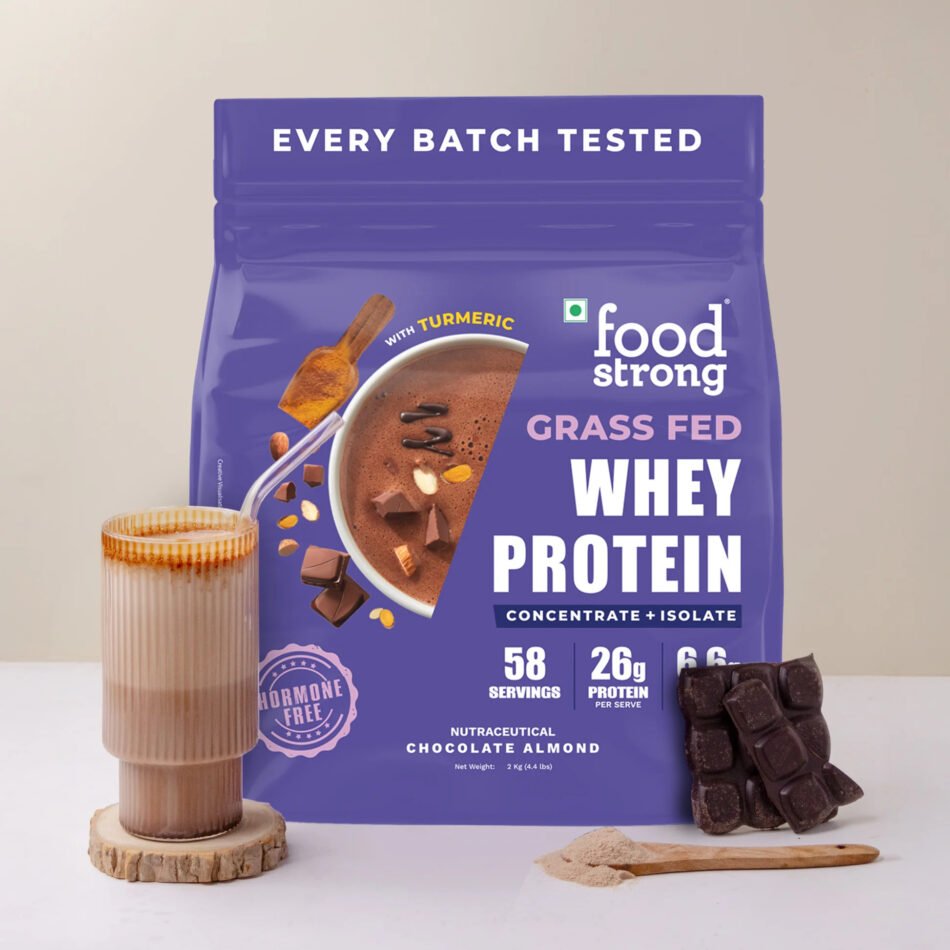
Weight loss is often associated with strict diets, long workouts, and complicated meal plans. However, achieving healthy and sustainable weight loss is mainly about maintaining a balanced diet, managing calorie intake, staying active, and getting enough protein. This is where whey protein can become a useful part of a weight-loss plan.
Whey protein is a high-quality protein made from milk. It is widely used by athletes, fitness enthusiasts, and people who want to increase their daily protein intake. While whey protein is not a weight-loss product by itself, it can support several factors that make losing weight easier.
So, does whey protein really help with weight loss? The answer is yes, it can help when used correctly as part of a balanced calorie-controlled diet. Let us understand how it works and how you can include it in your routine.
What Is Whey Protein?
Whey protein is a complete protein that contains all nine essential amino acids. It is produced during the process of making dairy products such as cheese. Because it is easy to digest and provides a concentrated source of protein, it has become one of the most popular protein supplements available.
There are different types of whey protein, including whey protein concentrate, whey protein isolate, and hydrolyzed whey protein. They differ mainly in their protein content, processing, and levels of carbohydrates and fats.
For people trying to lose weight, whey protein can be convenient because it provides a substantial amount of protein without requiring a large meal.
How Can Whey Protein Support Weight Loss?
Whey protein does not directly burn body fat. Instead, it can support weight loss through several nutritional benefits.
1. It Can Help You Feel Fuller
One of the biggest challenges during weight loss is dealing with hunger and cravings. When you reduce your calorie intake, it can become difficult to stay satisfied between meals.
Protein is generally more filling than carbohydrates or fats. Adding an appropriate amount of whey protein to your diet may help you feel satisfied for longer, which can make it easier to control your overall food intake.
For example, a protein shake can be used as part of a balanced breakfast or snack instead of choosing highly processed foods that may leave you hungry again quickly.
2. It Helps You Meet Your Daily Protein Needs
Getting enough protein is important when trying to lose weight. A calorie deficit can lead to loss of both fat and lean body mass. Consuming sufficient protein, combined with resistance training, can help support the maintenance of muscle.
Whey protein offers a convenient way to increase protein intake when regular foods alone do not provide enough.
However, it should complement nutritious foods rather than replace them completely. Eggs, fish, lean meat, dairy products, beans, lentils, soy, nuts, and other protein-rich foods can all contribute to a balanced diet.
3. It Can Support Muscle Maintenance
When losing weight, preserving muscle is an important goal. Losing only body weight is not necessarily the same as achieving a healthier body composition.
Protein provides amino acids that the body needs for muscle maintenance and repair. When combined with resistance exercises such as weight training, adequate protein intake can support lean muscle while you work toward reducing body fat.
This is one reason whey protein is popular among people who exercise regularly while following a calorie-controlled diet.
4. It Is Convenient and Easy to Prepare
Busy schedules can make healthy eating difficult. Preparing a high-protein meal every time you need a snack may not always be practical.
Whey protein can be prepared quickly by mixing it with water or another suitable beverage. This makes it a convenient option after exercise, between meals, or when you need an easy way to increase your protein intake.
The convenience factor can also help you make more consistent food choices instead of relying on high-calorie snacks.
Can Whey Protein Burn Belly Fat?
This is one of the most common questions about whey protein.
The simple answer is no food or protein supplement can specifically target belly fat. Your body decides where it stores and loses fat, and you cannot choose one particular area for fat loss.
Reducing overall body fat requires maintaining a calorie deficit over time. A calorie deficit occurs when you consume fewer calories than your body uses.
Whey protein may support this process by helping you meet protein requirements and manage hunger, but it should not be considered a fat-burning supplement.
How to Use Whey Protein for Weight Loss
The most important thing is to use whey protein as part of your overall nutrition plan rather than treating it as a replacement for healthy eating.
Choose the Right Product
When buying whey protein, look beyond the protein number on the front of the package. Check the nutrition label for calories, protein, carbohydrates, fats, added sugar, and serving size.
If your goal is weight management, choosing a product that fits comfortably into your daily calorie and protein targets can be more useful than simply choosing the product with the highest protein content.
Control Your Serving Size
More protein does not automatically mean more weight loss. Whey protein still contains calories, and consuming more calories than your body needs can make weight loss difficult.
Follow the serving recommendation on the product and consider your total daily protein intake. Your individual needs can vary depending on factors such as body size, activity level, age, and fitness goals.
Mix It With Suitable Ingredients
A basic whey protein shake mixed with water can be a simple, relatively low-calorie option. You can also add ingredients such as fruit, oats, milk, yogurt, or nut butter depending on your nutritional requirements.
However, be careful with high-calorie additions. A shake containing large quantities of sweeteners, full-fat dairy, nut butter, and other calorie-dense ingredients can become much higher in calories than expected.
The goal is to make the shake fit into your overall diet.
When Is the Best Time to Take Whey Protein?
There is no single perfect time for everyone to consume whey protein.
Many people take it after a workout because it is convenient and provides protein when they are looking for a quick meal or snack. Others may use it at breakfast or between meals.
For weight loss, your overall calorie intake, protein intake, food quality, physical activity, and consistency are generally more important than focusing on a specific minute or time of day.
Choose a time that makes it easier for you to meet your nutritional goals without adding unnecessary calories.
Whey Protein vs Whole Foods for Weight Loss
Whole foods should remain the foundation of a healthy diet. Foods such as eggs, fish, chicken, dairy products, legumes, lentils, tofu, vegetables, fruits, and whole grains provide a wide range of nutrients.
Whey protein is best viewed as a supplement, meaning it can supplement your diet when you need additional protein.
For example, if your meals already provide enough protein, you may not need a whey shake every day. On the other hand, if you struggle to reach your protein target because of a busy lifestyle or limited food choices, whey protein can be a practical solution.
Common Mistakes to Avoid
Using whey protein incorrectly can make your weight-loss journey more difficult. Here are some common mistakes to avoid:
Treating whey protein as a fat burner: Whey protein does not directly burn body fat.
Replacing every meal with shakes: Protein shakes are convenient, but a healthy diet needs a variety of whole foods and nutrients.
Ignoring total calories: Even nutritious foods can contribute to weight gain if overall calorie intake consistently exceeds your needs.
Using oversized servings: More whey protein is not necessarily better. Follow appropriate serving sizes and consider your total protein intake.
Choosing products based only on marketing claims: Always check the nutrition and ingredient labels instead of relying solely on claims such as “fitness,” “lean,” or “fat loss.”
Ignoring exercise: Nutrition is important, but combining a balanced diet with regular physical activity can support better body-composition results.
Is Whey Protein Suitable for Everyone?
Whey protein is commonly used by healthy adults, but it may not be suitable for everyone. People with milk allergies, certain digestive issues, or specific medical or dietary requirements should consider whether whey is appropriate for them.
If you have a medical condition, are pregnant or breastfeeding, or have been advised to follow a specific diet, it is sensible to consult a qualified healthcare professional before adding a protein supplement to your routine.
The Bottom Line
So, does whey protein really help with weight loss? It can.
Whey protein can make a weight-loss diet easier by providing a convenient source of high-quality protein, helping with satiety, and supporting muscle maintenance when combined with appropriate exercise. However, it does not work as a magic weight-loss solution and cannot specifically burn belly fat.
The most effective approach is to focus on a balanced diet, appropriate calorie intake, adequate protein, regular physical activity, good sleep, and long-term consistency. Whey protein can be a useful tool within that approach, particularly when you find it difficult to get enough protein from regular foods.
Ultimately, successful weight loss is not about finding one special food or supplement. It is about creating healthy habits that you can maintain over time. When used thoughtfully, whey protein can be a convenient addition to those habits and help you stay on track with your fitness and nutrition goals.


