 WhatsApp Us Now
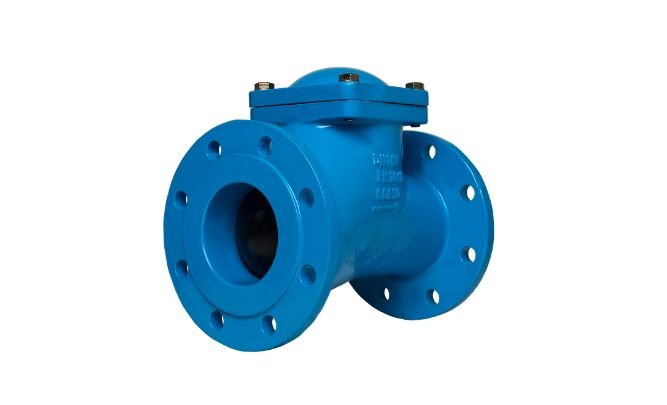
Ball Type Check Valves operate as automatic flow-control devices. They permit fluid movement in a single direction. The internal sphere blocks reverse flow entirely. This mechanical action protects pumps, pipelines, and process equipment from backflow damage. Plant operators install these valves heavily in industrial fluid-handling systems.
What Are Ball Type Check Valves?
These devices depend on a spherical element to control media. The basic construction features a simple outer body containing a free-moving ball. Fluid pressure determines the position of this sphere inside the chamber. High inlet pressure lifts the element off the seat. A pressure drop forces the sphere back down to seal the passage. System engineers specify industrial ball check valves for heavy-duty manufacturing facilities. Plants handling aggressive chemicals often require corrosion-resistant ball check valves to prevent internal degradation over time.
How Do Ball Check Valves Work?
Flow in the Forward Direction Fluid dynamics determine the entire operation mechanism. Inlet pressure pushes the sphere away from its resting position. Media travels past the internal cavity once the forward pressure overcomes the physical weight and resistance of the ball.
Flow Stops When Pressure Drops System pressure eventually decreases. Gravity and fluid deceleration move the ball back toward the seat. The sphere physically closes the main flow passage.
Prevention of Reverse Flow Downstream pressure pushes the ball firmly against the sealing ring. Reverse flow attempts to force fluid backward. The resulting mechanical seal prevents liquid from moving upstream through the pipeline.
Simple Working Sequence
- Fluid enters the valve.
- Inlet pressure moves the ball away from the seat.
- Fluid flows through the passage.
- Forward pressure decreases or reverses.
- The ball returns toward the seat.
- The valve closes and restricts reverse flow.
Main Components of a Ball Check Valve
Valve Body: The outer shell houses the internal components. It provides the primary flow passage for the system media.
Ball: This sphere acts as the primary closing element. Engineers select specific materials based on the fluid characteristics and operating conditions.
Valve Seat: A machined sealing surface sits inside the body. The ball rests against this surface to close the flow path completely.
Guides or Ball Cage: Specific designs incorporate internal tracks. These guides keep the ball aligned and control movement during high-velocity flow.
End Connections: Piping networks determine the attachment method. Options include threaded, socket-weld, flanged, or grooved connection configurations depending on the specific valve design.
Types of Ball Check Valves
Inline Ball Check Valves
These feature a compact configuration. The straight-through flow path minimizes pressure drop. Installers use these in tight piping runs.
Lift Ball Check Valves
Pressure lifts the sphere vertically from its base to allow flow. Reverse pressure pushes the element directly back down to seal the opening.
Spring-Loaded Ball Check Valves
A mechanical spring assists the sphere in returning to the closed position. Fast-cycling systems benefit from this rapid closure rate.
Flanged Ball Check Valves
Heavy-duty industrial piping systems require bolted connections. Flanged configurations suit larger pipe diameters and high-pressure setups.
Materials Used for Ball Check Valves
Operating environments determine precise material selection. Common options include stainless steel, carbon steel, alloy steel, duplex stainless steel, and various industrial plastics. Specialty materials handle highly specific chemical applications. Valve body, ball, and seat materials frequently differ from each other. Engineers match these components to specific requirements for temperature limits, pressure ratings, and fluid compatibility. A solid carbon steel body might pair with a solid PTFE ball to achieve a tight seal.
Key Advantages of Ball Type Check Valves
- Automatic Operation System pressure drives the entire mechanism. They operate entirely without external actuation or manual intervention.
- Simple Construction The internal design contains minimal parts. Fewer moving components simplify operation and reduce mechanical wear over time.
- Effective Backflow Prevention Preventing reverse fluid movement is their primary function. The spherical seal blocks return flow completely.
- Compact Design Installation space often determines component choices. Specific configurations fit easily into restricted pipeline sections.
- Low Maintenance Potential Simple mechanics reduce maintenance requirements. Proper selection and correct operation keep these valves running for years.
- Versatile Fluid Applications Process facilities use them with liquids, gases, and slurries. The unobstructed internal path handles suspended solids effectively.
Industrial Applications of Ball Check Valves
Water and Wastewater Systems Pump discharge lines require immediate backflow protection. Facilities install these in water treatment systems, wastewater pipelines, and large drainage networks.
Chemical Processing: Chemical transfer lines rely on strict flow direction. Dosing systems and process piping use ball check valves heavily.
Oil and Gas Pumping systems move hydrocarbons under high pressure. Process lines and fluid transfer applications utilise robust check valves.
Petrochemical Plants Process equipment operates under severe conditions. Utility systems and fluid handling lines incorporate these protective devices.
Mining and Slurry Systems Slurry transfer is characterised by highly abrasive fluid applications. Dewatering systems use specific ball designs to handle rocks and grit.
Food and Pharmaceutical Processing Sanitary design standards determine equipment choices. Fluid transfer systems incorporate specific material specifications for these clean environments.
How to Choose the Right Ball Type Check Valve
- Identify the Fluid Consider the specific media moving through the pipe. Options include water, oil, chemicals, gas, slurry, and corrosive fluids.
- Check Pressure Rating Determine the standard operating and maximum spike pressure. Select a unit with an appropriate pressure class or rating.
- Consider Temperature Evaluate minimum and maximum operating temperatures. Verify that the body, ball, and seat materials handle the thermal extremes.
- Select the Correct Material Match all construction materials to the specific erosion and chemical compatibility requirements.
- Determine Valve Size Match the physical valve size to the pipeline and required flow rate. Avoid selecting purely based on pipe diameter without verifying actual flow requirements.
- Check Installation Orientation Verify the operating position. Some valves require horizontal installation, while others work vertically.
- Consider Pressure Drop Evaluate the expected flow resistance and calculate total pressure loss through the device.
- Check Connection Type Select threaded, flanged, socket-weld, or grooved connections according to the existing piping system.
- Verify Standards and Testing Check relevant project-specific requirements. ASME, API, ASTM, and ISO standards determine specific testing protocols.
Conclusion
Ball Type Check Valves use a significant operating principle to block reverse flow. Automatic operation, compact configurations, and straightforward construction benefit numerous industrial applications. Selecting the correct valve material, physical size, pressure rating, thermal limits, and connection method determines overall success. Proper sizing and application-specific selection remain essential for reliable backflow protection across all process environments.


