 WhatsApp Us Now
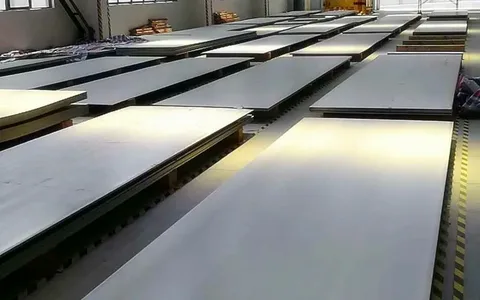
The austenitic structure of Stainless Steel 304 Plate delivers a distinct combination of formability and mechanical strength. Material specifiers select this specific grade frequently for industrial environments and general manufacturing setups. The material handles exposure to moisture and oxidizing acids without degrading rapidly. Versatility defines its adoption rate across multiple industrial sectors. Fabricators shape and cut the metal easily using conventional machinery.
What Is Stainless Steel 304 Plate?
Grade 304 falls under the austenitic category of metallic alloys. The crystalline structure makes the metal completely non-magnetic in its annealed state. Chromium and nickel determine its baseline behavior. Manufacturers typically add 18 percent chromium and 8 percent nickel during the intense melting process. That specific elemental ratio creates a microscopic passive oxide layer. This chemical barrier stops moisture from rusting the underlying iron completely.
Other common grades operate differently under physical stress. Grade 430 contains no nickel. That absence lowers its forming capabilities and overall impact resistance. Grade 316 includes molybdenum for harsh marine environments. The 304 variant strikes a practical middle ground. It resists rust far better than 400-series alloys but costs significantly less than the 316 option. Engineers specify 304 when moderate corrosion protection satisfies the basic project requirements.
Grades and Specifications of SS 304 Plate
Carbon content dictates the distinction between standard 304 and 304L variants. TThe difference between the standard 304 and 304L variants is based on their carbon content. Low carbon chemistry is designated with an “L. The maximum carbon content in the standard 304 is 0.08 per cent by weight. The 304L version has a maximum carbon content of just 0.03 percent. The choice of 304L in welding is due to the lower carbon content which prevents carbide precipitation during high temperature welding processes.
Mills produce these materials according to strict regulatory frameworks. ASTM A240 TP304 Plate is a common specification determining the chemical composition and mechanical properties for pressure vessel applications. Procurement teams order these plates in highly specific dimensions. Thicknesses range from 3mm up to 50mm or more for heavy industrial use. Standard mill widths measure 1250mm or 1500mm. Lengths often reach 6000mm. Suppliers provide different exterior textures based on application needs. A 2B finish yields a smooth, reflective surface. A No. 1 finish leaves a rougher, unpolished exterior typical of hot rolling.
Key Properties of 304 Stainless Steel Plate
Oxidation resistance remains a defining characteristic of the material. The chromium content blocks oxygen from penetrating the internal steel matrix. This chemical barrier handles harsh food-processing environments and general industrial fluids continuously.
Tensile strength measures at approximately 515 MPa. That rating gives the metal substantial structural integrity under load. Toughness persists even at cryogenic temperatures down to minus 196 degrees Celsius. Cold working increases the material hardness further.
Fabricators bend and shape the metal with standard heavy press brakes. Maintenance teams clean the smooth metallic surfaces quickly with standard alkaline washes. This cleanability prevents bacterial growth in sanitary processing applications.
Benefits of Using Stainless Steel 304 Plate
Facility managers seek long-lasting performance in aggressive settings. This material delivers decades of service life when matched to the correct environmental conditions. Cleaning crews spend less time scrubbing process equipment. The smooth exterior rejects dirt accumulation and chemical bonding.
Financial planners appreciate the inherent cost efficiency. The material balances purchase cost with structural load capacity and corrosion resistance better than exotic alloys. Fabrication shops process the metal without requiring specialised cutting tools. That reduces secondary manufacturing expenses.
Architects utilise the naturally attractive surface for visible structural elements. Building facades and interior panels benefit from the clean metallic appearance. Buyers frequently source Durable Stainless Steel 304 Plates from established suppliers like Sparsh Impex to ensure consistent material quality throughout large construction phases.
Applications of SS 304 Plate
Manufacturing facilities rely heavily on this specific material profile. Food and beverage plants construct massive storage vats made of metal. The non-reactive surface protects flavour profiles and prevents contamination. Chemical processing equipment utilises the alloy to contain mild acids and organic solvents.
Commercial kitchens install heavy-duty catering counters and deep-drawn sinks. Pharmaceutical companies build mixing machinery that requires absolute sterility and easy washdown capabilities.
Construction firms install architectural components in urban infrastructure. The alloy creates structural supports, elevator interiors, and decorative panelling. Industrial fabricators weld the metal into high-capacity water storage tanks. You also find these thick plates inside shell and tube heat exchangers managing thermal transfers in utility plants.
How to Choose the Right SS 304 Plate
Selecting the correct material requires analysing the exact service conditions first. High-temperature welding dictates the use of the 304L variant to avoid joint failure.
Engineers must calculate the required thickness based on internal pressure or load-bearing demands. Dimensions must align with available factory floor space and transport limitations. Mill finish selection depends entirely on sanitary needs. Food-grade applications mandate highly polished 2B or No. 4 finishes to prevent microscopic particle trapping.
Fabrication requirements influence the final material choice. Bending thick sections requires specific temper states. Quality control managers must verify applicable standard codes before purchasing. Material test reports and required mill certifications prove the delivered alloy makeup meets the original project specifications.
Conclusion
The SS 304 plate combines structural strength with reliable corrosion defense. The material adapts to diverse manufacturing constraints without forcing design compromises. Fabricators shape it efficiently. Facility operators clean it easily. Specifying the correct dimensions and surface finishes determines the long-term success of any physical installation. Project managers must evaluate their exact operational requirements before executing heavy material orders.


