 WhatsApp Us Now
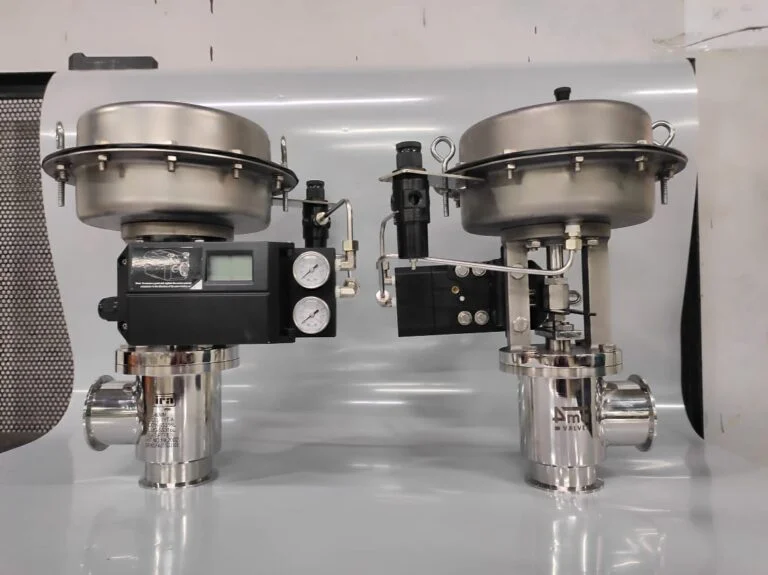
Pharmaceutical manufacturing requires precise process control, hygienic equipment, and dependable fluid-handling systems. Every stage of production must operate under carefully controlled conditions to maintain product consistency and support quality requirements. Control valves are important components in these systems because they regulate the movement of liquids, gases, steam, and other process media according to specific operating needs.
Selecting the right Pharma Control Valve Supplier is therefore an important decision for pharmaceutical facilities. The selected valve should provide accurate control, suitable materials, reliable sealing, and compatibility with cleaning and sanitation procedures.
Understanding Pharma Control Valves
A control valve regulates process flow by changing the size of the flow passage. Unlike simple isolation valves, control valves can adjust flow continuously according to signals from a control system.
In pharmaceutical applications, they may be used to manage flow rate, pressure, temperature, or other process parameters. Their ability to provide controlled adjustment makes them valuable in automated production environments.
Importance of Hygienic Design
Hygiene is one of the most important considerations in pharmaceutical processing. Valve surfaces that come into contact with the product should be designed to minimize contamination risks and make cleaning easier.
Smooth internal surfaces can reduce areas where product residues may collect. Proper sealing arrangements and suitable connections can further support effective cleaning and sanitation.
The exact hygienic requirements depend on the process, product characteristics, cleaning methods, and applicable industry standards.
Material Selection
Material compatibility is essential for pharmaceutical control valves. Product-contact components should be able to withstand the process media, operating temperature, pressure, and cleaning chemicals.
Stainless steel is commonly considered for hygienic process equipment because of its corrosion resistance and durability. However, the appropriate material grade should be selected according to the actual application.
Seals, seats, and other internal components should also be compatible with the process environment.
Key Factors to Consider
Before selecting a pharmaceutical control valve, businesses should evaluate several important factors:
- Process media characteristics
- Required flow range
- Operating pressure
- Temperature range
- Valve size and connection
- Body and internal material
- Seal and seat compatibility
- Cleaning and sanitation requirements
- Manual or automated control
- Required response and accuracy
Considering these factors helps ensure that the valve is properly matched to the process.
Supporting Precise Process Control
Pharmaceutical production often requires consistent control of process parameters. Small changes in flow or pressure can influence production performance and product quality.
Control valves can work with sensors, controllers, transmitters, and automation systems to maintain desired operating conditions. Automated adjustment allows the system to respond to changes in process requirements without continuous manual intervention.
This can improve process consistency and operational efficiency.
Applications in Pharmaceutical Processing
Control valves can be used in various pharmaceutical and hygienic applications. These may include liquid transfer, purified-water systems, process-fluid handling, steam control, temperature management, and automated production processes.
They can also be integrated into equipment used for mixing, filling, cleaning, and other manufacturing stages.
The specific valve configuration should be selected according to the process requirements and operating environment.
Cleaning and Maintenance
Cleaning and sanitation procedures are essential for pharmaceutical equipment. The valve should be compatible with the facility’s cleaning methods and operating procedures.
Regular inspection can help identify seal deterioration, leakage, corrosion, or mechanical problems. Operators should also check connections and control components to ensure consistent performance.
Preventive maintenance can help reduce unexpected downtime and support reliable operation.
Automation and Control Integration
Modern pharmaceutical facilities increasingly rely on automated process-control systems. Control valves can be integrated with programmable controllers, sensors, and monitoring equipment to provide accurate and repeatable operation.
Automation can reduce manual intervention while allowing operators to monitor and adjust process parameters more efficiently.
Proper actuator and control-system selection is important to ensure that the valve responds appropriately to system commands.
Long-Term Performance
The initial purchase price should not be the only factor when selecting pharmaceutical control valves. Long-term reliability, maintenance requirements, cleaning compatibility, material quality, and process performance are equally important.
A properly selected valve can help reduce operational interruptions and support consistent process control throughout its service life.
Conclusion
Pharma control valves play an important role in maintaining accurate and reliable process conditions across pharmaceutical manufacturing systems. Their hygienic design, material compatibility, precise regulation, and automation capabilities make them valuable components for modern processing environments.
By carefully evaluating flow requirements, pressure, temperature, materials, sealing arrangements, cleaning procedures, and automation needs, pharmaceutical facilities can select suitable control valve solutions. Proper installation, regular inspection, and preventive maintenance can further support reliable performance, efficient processing, and consistent long-term operation.


