 WhatsApp Us Now
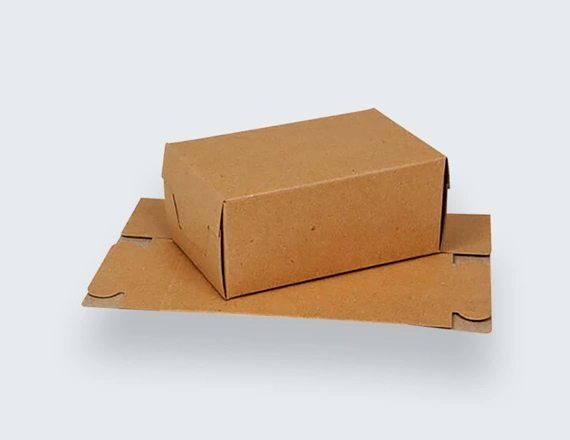
Every business shipping products online eventually faces the same question: how much protection does the product actually need, and how much should the packaging cost to provide it. For brands shipping lightweight, flat, or moderately sturdy items, the answer is often simpler than expected. Chipboard Mailer Boxes give businesses a packaging option that keeps costs low, ships light, and still holds its shape well for the right kind of product.
What Chipboard Actually Is
Chipboard is a paperboard material made by pressing layers of recycled paper fibers into a single, dense sheet. Unlike corrugated board, which uses a fluted middle layer sandwiched between two liners, chipboard is a flat, solid material with no internal air pockets. This construction gives chipboard a firm, rigid feel while keeping the overall material lighter than multi layer corrugated board.
Because chipboard is produced mostly from recycled paper stock, it has become a popular choice for brands looking for packaging that keeps material costs and environmental impact low without sacrificing a professional appearance.
Why Chipboard Mailer Boxes Cost Less to Ship
Weight is one of the biggest factors in shipping cost, and Chipboard Mailer Boxes in USA are noticeably lighter than an equivalent corrugated box of the same size. Since most carriers calculate rates using a combination of actual weight and dimensional weight, a lighter box can mean a lower shipping bill on every single order.
For businesses shipping hundreds or thousands of packages a month, this weight difference adds up quickly. A few grams saved per box translates into a measurable reduction in total shipping spend across a full year of orders.
The Products That Work Best in Chipboard Packaging
Chipboard mailer boxes perform best with products that are flat, lightweight, or only moderately fragile. Books, greeting cards, documents, small accessories, jewelry, and retail items that do not need heavy cushioning all ship well in chipboard. Businesses that sell stationery, small gift items, or flat lifestyle products often find chipboard gives them exactly the level of protection their product needs without paying for structural strength they will never use.
Heavier or highly fragile products, on the other hand, usually need the added compression resistance that a fluted corrugated box provides. Matching the packaging material to the actual product weight and fragility is the most reliable way to avoid both under protecting and overpaying.
A Clean Surface for Branding
Chipboard has a smooth, uniform surface that takes printing well, particularly when a white or kraft top coating is applied over the base material. This makes it a practical option for brands that want their packaging to carry a logo, a simple color scheme, or basic product information without investing in the more complex print setup that corrugated board sometimes requires.
Many small and mid sized brands use this printable surface to their advantage, adding a clean one color logo or a short brand message that gives the box a finished, considered look without a large design budget.
Ordering Chipboard Mailer Boxes in Bulk
Chipboard Mailer Boxes in Bulk bring per unit costs down significantly, which matters most for businesses shipping consistent volumes every month. Because chipboard uses a simpler single layer construction than corrugated board, production costs are generally lower, and that saving is passed on more directly at higher order quantities.
Businesses that know their approximate monthly shipping volume can use this to their advantage by placing a bulk order that covers several months of stock, reducing both the per unit price and the frequency of reordering.
Storage and Handling Advantages
Chipboard mailer boxes typically ship flat and take up very little storage space before they are assembled for packing. This is especially useful for smaller operations working out of limited storage areas, home offices, or shared warehouse space, where every square foot matters.
The lightweight, flat pack nature of chipboard also makes it easier to handle during the packing process itself, since staff are not managing a bulky or heavy material before the box is even filled.
Where Chipboard Has Its Limits
It is worth being direct about this. Chipboard is not the right choice for every product. Heavy items, anything that needs to survive rough handling or long distance freight, and products that require significant internal cushioning are usually better served by corrugated board, or by a chipboard box paired with a protective insert. Chipboard performs best when the product itself does most of the structural work and the packaging simply needs to hold its shape and present the item cleanly.
Final Thoughts
Chipboard mailer boxes give businesses a genuinely useful middle ground between minimal packaging and full strength corrugated shipping boxes. For lightweight, flat, or moderately delicate products, they offer real savings on material cost and shipping weight without asking a brand to compromise on presentation. For businesses ready to explore whether chipboard is the right fit for their specific product range, working with an experienced supplier like Mailer Boxes Co makes it easy to compare material options and settle on packaging that matches both the product and the budget.

