 WhatsApp Us Now
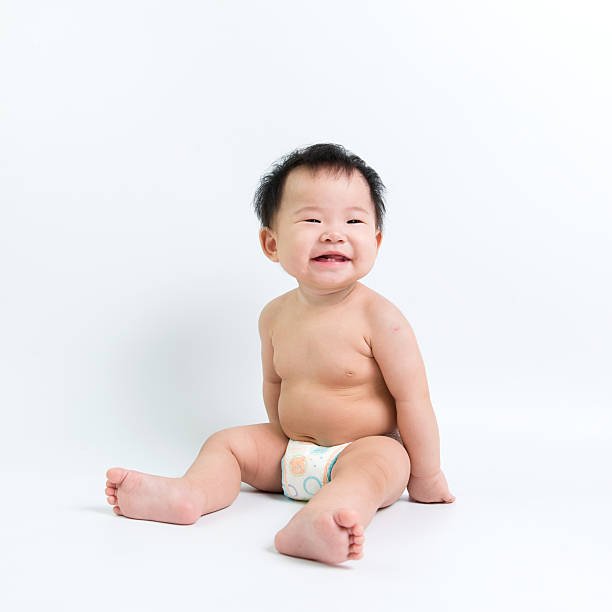
Diaper changes are a regular part of caring for a baby, but they can sometimes become challenging when a diaper does not fit properly, causes discomfort, or fails to keep moisture contained. A comfortable changing routine depends on more than simply replacing a used diaper. Factors such as fit, absorbency, skin comfort, movement, and the baby’s individual needs can all influence the experience.
Choosing an appropriate diaper size and following simple changing habits can make everyday care easier for both babies and caregivers. Products such as Huggies Newborn Jumbo Size 2 64’s can be considered as an example when looking at diaper options designed for a particular stage of a baby’s growth.
Understanding Common Diaper Changing Challenges
Babies move frequently, even during routine care. Kicking, rolling, and squirming can make diaper changes more difficult, especially when the diaper is loose or positioned incorrectly. A poor fit may also contribute to leakage or leave marks around the waist and legs.
Some common concerns include:
- Diaper leakage during everyday movement
- Gaps around the legs or waist
- A diaper that feels too tight
- Difficulty keeping the diaper positioned correctly
- Skin discomfort caused by prolonged moisture
- Frequent interruptions during changing routines
Recognizing these issues can help caregivers make small adjustments that support better baby diaper comfort.
Focus on Proper Diaper Fitting
Proper diaper fitting is one of the most important parts of comfortable diaper changes. A diaper should sit securely without feeling unnecessarily tight. The waistband should rest comfortably around the baby’s body, while the leg areas should provide enough coverage to reduce gaps.
When selecting a size, caregivers can consider the baby’s growth and how the current diaper fits rather than relying only on age. A diaper that frequently leaves gaps may not provide adequate coverage, while one that appears overly tight may indicate that a different size is more suitable.
For example, Molfix Diaper Size 2 Small (3-6 kg) 10’s may be relevant when considering diaper stages for smaller babies. The goal is not to compare individual products, but to understand how diaper sizing can relate to a baby’s changing needs.
Pay Attention to Signs of Poor Fit
Diaper fit problems can often be noticed through everyday use. Persistent leakage, visible gaps, or marks around the baby’s waist and thighs may suggest that the diaper needs to be repositioned or that another size should be considered.
During each change, check that:
- The diaper is centered correctly.
- The waistband sits comfortably.
- The leg areas are positioned without unnecessary folds.
- Fasteners are secure but not overly tight.
- The diaper provides appropriate front and back coverage.
These simple checks can support better comfort and help with diaper leakage prevention.
Consider Absorbency and Moisture Management
Diaper absorbency also plays an important role in everyday comfort. A diaper needs to manage moisture effectively so that the baby’s skin is not exposed to wetness for longer than necessary.
However, absorbency alone should not determine changing habits. Even when a diaper appears capable of holding moisture, regular checks remain important. Changing the diaper when it is wet or soiled helps maintain cleanliness and supports healthier skin care habits.
Huggies Newborn Jumbo Size 2 64’s can be viewed within the broader category of diapers intended for a particular size stage, where caregivers may consider features such as fit, absorbency, and ease of changing.
Create a Consistent Diaper Changing Routine
A predictable diaper changing routine can make daily care more organized. Keeping essential supplies together can reduce interruptions and make the process easier when the baby is restless.
A practical setup may include:
- Clean diapers
- Baby wipes or suitable cleansing materials
- A clean changing surface
- Fresh clothing when needed
- Skin-care products appropriate for the baby’s needs
Preparing these items before beginning the change can help caregivers complete the process smoothly.
Make Changes Comfortable During Movement
Babies may become increasingly active as they grow. Movement can make it harder to position a diaper correctly, so gentle and calm handling can be helpful. Caregivers can use simple distractions, maintain a relaxed approach, and avoid rushing the process.
If a diaper repeatedly shifts during movement, check its positioning and fit. A properly adjusted diaper should allow normal movement without creating unnecessary gaps or pressure.
For caregivers considering different stages of diaper sizing, Molfix Diaper Size 2 Small (3-6 kg) 10’s is another example of how product sizing can correspond to a particular stage rather than serving as a universal choice for every baby.
Support Everyday Baby Skin Comfort
Keeping the diaper area clean and dry is another important part of comfortable diaper changes. Gentle cleaning can help remove moisture and residue without unnecessary friction. Patting the area dry rather than rubbing can also be a considerate approach for delicate skin.
Caregivers should pay attention to persistent redness, irritation, or other changes that do not improve with routine care. If skin concerns continue or appear significant, seeking advice from a qualified healthcare professional can help identify an appropriate course of action.
Adapt the Routine as the Baby Grows
A baby’s needs can change over time. A diaper that worked comfortably at one stage may eventually feel different as the baby’s body shape, movement, and changing frequency evolve.
For this reason, caregivers can periodically reassess:
- Whether the diaper still fits comfortably
- Whether leakage has become more frequent
- Whether the baby can move freely
- Whether the changing process remains convenient
- Whether the diaper provides adequate coverage
Huggies Newborn Jumbo Size 2 64’s may be one example considered during a particular diaper stage, while Molfix Diaper Size 2 Small (3-6 kg) 10’s illustrates how another diaper option can be associated with a specific sizing stage.
Conclusion
Comfortable diaper changes are built around simple, consistent habits rather than complicated routines. Paying attention to fit, moisture, skin comfort, movement, and regular changing can make everyday care more manageable. As babies grow, caregivers can continue adjusting their approach according to changing needs, ensuring that diaper changes remain gentle, practical, and comfortable.


