 WhatsApp Us Now
Introduction
Sports injuries can affect athletes, gym users, runners, and anyone who enjoys staying physically active. A sprain, muscle strain, tendon problem, or joint injury can cause pain, stiffness, weakness, and reduced confidence in movement. Without appropriate rehabilitation, returning to sport too quickly may increase the risk of recurring problems.
Professional Physiotherapy services in Edinburgh can support a structured recovery by assessing the injury, identifying movement limitations, and developing a rehabilitation programme based on the individual’s condition and sporting goals. The focus is not only on reducing discomfort but also on restoring strength, mobility, balance, coordination, and confidence.
Understanding Sports Injury Rehabilitation
Sports injury rehabilitation is a gradual process designed to help the body recover while preparing it for the physical demands of normal activity and sport. The rehabilitation approach depends on the type and severity of the injury, the individual’s fitness level, and the activities they want to return to.
Common sports injuries that may require rehabilitation include:
- Muscle strains and tears
- Ankle sprains
- Knee injuries
- Hamstring injuries
- Calf and groin strains
- Shoulder injuries
- Tendon problems
- Overuse injuries
- Sports-related joint pain
A personalised assessment helps determine which areas need attention and how activity should be progressed safely.
How Physiotherapy Supports Recovery
Professional Physiotherapy services in Edinburgh can provide structured support throughout different stages of recovery. Instead of immediately returning to demanding exercise, rehabilitation gradually rebuilds the body’s ability to handle physical stress.
Treatment may include:
- Mobility and flexibility exercises.
- Progressive strengthening.
- Balance and coordination training.
- Manual therapy where appropriate.
- Movement correction.
- Sport-specific exercises.
- Activity and training advice.
- Home rehabilitation programmes.
The exact combination depends on the injury and the individual’s recovery requirements.
Rebuilding Strength and Movement
After an injury, muscles can become weaker and joints may feel stiff or restricted. Even when pain has improved, the affected area may not yet be ready for high-intensity activity.
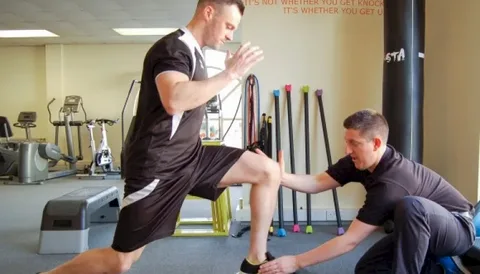
A physiotherapist can introduce progressive exercises to rebuild strength and movement. Exercises can become more challenging as recovery progresses, helping prepare the body for the specific movements required during sport.
Returning to Sport Safely
One of the most important parts of sports rehabilitation is knowing when and how to return to activity. Feeling less pain does not always mean that strength, coordination, and physical capacity have completely recovered.
A gradual return-to-sport programme may progress through several stages:
- Basic mobility and controlled movement.
- Strength and stability exercises.
- Functional movements.
- Sport-specific drills.
- Increased training intensity.
- Controlled return to full activity.
For example, a football player recovering from a leg injury may need to progress from basic strengthening to jogging, directional changes, acceleration, and sport-specific drills before returning to competitive play.
This gradual approach allows physical demands to increase as the body becomes stronger and more capable.
Benefits of Professional Sports Rehabilitation
Choosing professional Physiotherapy services in Edinburgh can provide several benefits during the recovery process. Instead of relying on general exercises, a physiotherapist can tailor rehabilitation to your specific injury and goals.
Professional rehabilitation can help:
- Restore muscle strength.
- Improve joint mobility.
- Develop better balance and stability.
- Improve movement control.
- Rebuild confidence after injury.
- Increase tolerance to physical activity.
- Support a gradual return to sport.
- Identify factors that may contribute to recurring injuries.
A personalised programme can also be adjusted as your condition changes, helping you progress without unnecessarily increasing the workload too quickly.
Preventing Future Sports Injuries
Rehabilitation should not end simply when symptoms disappear. Understanding why an injury occurred can help reduce the likelihood of experiencing the same problem again.
Training errors, sudden increases in activity, inadequate strength, poor movement control, insufficient recovery, and repetitive loading can all contribute to sports-related problems.
Building Better Training Habits
A physiotherapist may provide advice on strengthening, training progression, recovery, and movement technique. Maintaining these habits after recovery can support long-term physical performance.
Useful strategies include:
- Warm up before demanding activities.
- Increase training intensity gradually.
- Include appropriate strength exercises.
- Allow enough recovery between intense sessions.
- Maintain suitable mobility.
- Improve sport-specific movement skills.
- Avoid repeatedly training through significant pain.
- Return gradually after periods of inactivity.
These habits can help active individuals maintain their physical condition while managing training demands more effectively.
When Should You Consider Physiotherapy?
Some minor sports injuries may improve with appropriate self-care and a gradual reduction in activity. However, professional assessment may be beneficial when symptoms persist or interfere with normal movement.
Consider seeking Physiotherapy services in Edinburgh if you experience:
- Persistent pain following an injury.
- Repeated sports injuries.
- Ongoing swelling or stiffness.
- Reduced strength or mobility.
- Difficulty returning to exercise.
- Pain that returns when training resumes.
- Reduced confidence during movement.
- Difficulty performing sport-specific activities.
A physiotherapist can assess your condition and determine whether rehabilitation is appropriate or whether further medical assessment may be needed.
Conclusion
Sports injury rehabilitation is an important part of returning to physical activity safely and confidently. While reducing pain is an important aspect of recovery, effective rehabilitation should also focus on restoring strength, mobility, stability, coordination, and the ability to handle sport-specific demands.
Professional Physiotherapy services in Edinburgh can provide personalised rehabilitation based on your injury, lifestyle, fitness level, and sporting goals. With appropriate exercises, gradual progression, and consistent recovery habits, individuals can work towards returning to the activities they enjoy while developing better physical resilience.


