 WhatsApp Us Now
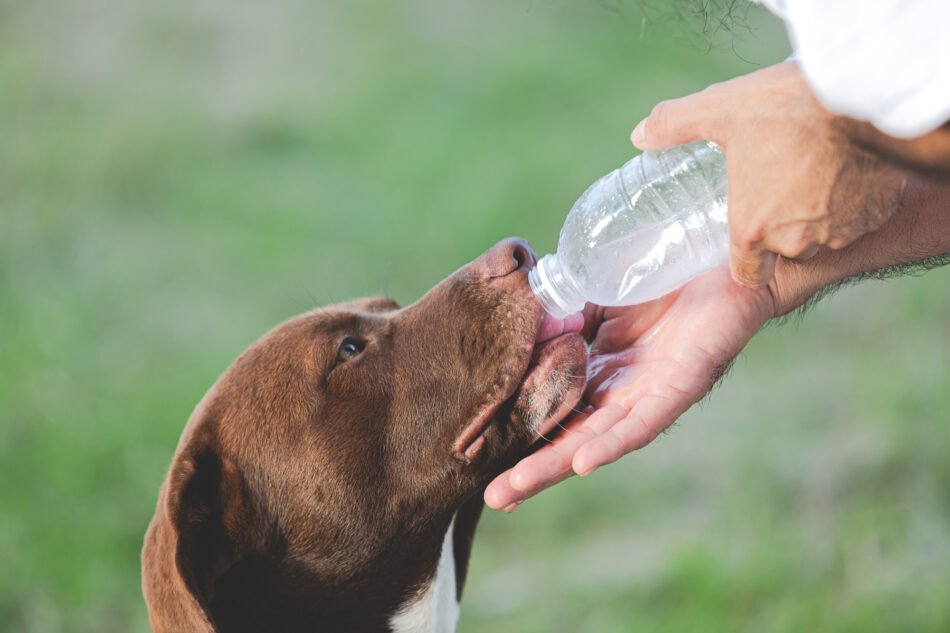
Keeping a pet properly hydrated is one of the simplest ways to support their overall health, yet their water needs are not exactly the same all year. For pet lovers, understanding how temperature, activity levels, diet, age, and seasonal routines affect hydration can make everyday pet care more effective.
During hot summer months, pets can lose more water through panting and increased activity. In colder weather, they may drink less even though staying hydrated remains important. Understanding these seasonal changes can help pet owners recognize potential problems early and make sure fresh water is always available.
How Hydration Supports Pet Health
Water plays an essential role in almost every major function in a pet’s body. It helps regulate body temperature, supports digestion, transports nutrients, cushions joints, and helps the kidneys remove waste.
Even a relatively small loss of body water can affect how a pet feels and behaves. A dehydrated pet may become tired, have dry or sticky gums, lose interest in food, or show changes in urination. More serious dehydration can become an emergency, particularly in young, elderly, or sick animals.
Because water requirements can change with the seasons, monitoring drinking habits throughout the year is more useful than assuming your pet will always need the same amount.
Summer Can Increase Water Requirements
Summer is usually the season when hydration deserves the most attention. Dogs and cats can become overheated more easily when temperatures rise, while dogs may lose additional moisture through panting.
Outdoor walks, running, playing, and other physical activities can further increase fluid loss. A pet that spends several hours outside on a warm day may need access to significantly more water than one spending most of the day indoors.
Always provide clean, fresh water in an easily accessible location. If your pet spends time outdoors, consider placing water in multiple shaded areas. On particularly hot days, limiting strenuous exercise during the hottest part of the afternoon can also reduce the risk of dehydration and overheating.
Spring Brings Changes in Activity
Spring often encourages pets to become more active after spending more time indoors during colder months. Longer walks, outdoor play, and warmer temperatures can gradually increase their need for water.
Allergies can also become more noticeable during spring. Some pets may experience itching, sneezing, or other seasonal discomfort. Owners sometimes search for treatments and may encounter discussions about medications such as Benadryl for Dogs. However, medication should only be given to a pet according to guidance from a veterinarian, particularly because the appropriate product and dosage can vary.
Regardless of seasonal allergies, fresh drinking water should remain part of your pet’s daily routine.
Fall Can Affect Drinking Habits
As temperatures begin to fall, many pets naturally become less thirsty. Cooler weather means they may pant less and lose less water through normal activity. However, reduced thirst does not mean water is no longer important.
Dogs that continue taking long walks or participating in outdoor activities still need regular access to water. Changes in routine can also influence drinking habits. For example, a pet that becomes less active may consume less water than during summer.
Pet owners should continue refreshing water bowls regularly rather than waiting until the water has been completely consumed.
Winter Hydration Is Still Important
Winter can be deceptive because pets may not appear thirsty in cold weather. Indoor heating can create a dry environment, while outdoor exercise and cold air can still contribute to fluid loss.
Pets eating primarily dry food may be particularly dependent on their drinking water for adequate fluid intake. Animals eating wet food receive some water through their diet, but they still need access to fresh drinking water throughout the day.
If your pet spends time outdoors during winter, make sure their water does not become too cold or frozen to drink. Indoor bowls should also be kept away from dusty or overly warm areas when possible.
Diet Can Change Water Needs
A pet’s diet has a significant influence on daily fluid intake. Dry kibble contains considerably less moisture than wet food, meaning pets eating dry diets generally obtain more of their daily water directly from drinking.
Wet food, meanwhile, contains a substantial amount of water. This does not eliminate the need for a drinking bowl, but it can affect how much additional water a pet chooses to consume.
If you change your pet’s diet, monitor their drinking and bathroom habits for a while. A sudden or persistent change may be worth discussing with a veterinarian.
Activity Level Matters in Every Season
Seasonal temperature is only one factor affecting hydration. A highly active dog can require more water than a less active pet living in the same home, even when both experience identical weather conditions.
Long walks, hiking, training sessions, playing outdoors, and travel can all increase fluid requirements. Bring water along during extended activities and offer regular opportunities for your pet to drink.
Cats can be more difficult to monitor because some naturally have low thirst drives. Providing several clean water sources, using wider bowls, or offering a pet water fountain may encourage some cats to drink more.
Watch for Signs of Dehydration
Knowing the warning signs can help pet owners respond quickly. Possible signs of dehydration include:
- Dry or sticky gums
- Unusual tiredness or weakness
- Reduced appetite
- Less frequent urination
- Sunken-looking eyes
- Excessive panting
- Loss of normal energy
These symptoms can have causes other than dehydration, so they should not automatically be attributed to a lack of water. If your pet appears seriously unwell, is repeatedly vomiting or experiencing diarrhea, refuses water, or shows significant weakness, contact a veterinarian promptly.
Make Hydration a Year-Round Habit
The best approach to pet hydration is consistency combined with seasonal awareness. Keep fresh water available every day, clean bowls regularly, monitor changes in drinking behavior, and adjust routines when weather or activity levels change.
During summer, focus on heat and increased fluid loss. In spring and fall, pay attention to changes in activity and seasonal routines. During winter, remember that lower temperatures do not remove the need for regular hydration.
By observing your pet’s normal habits and responding to changes throughout the year, you can make hydration a simple but important part of responsible pet care.


