 WhatsApp Us Now
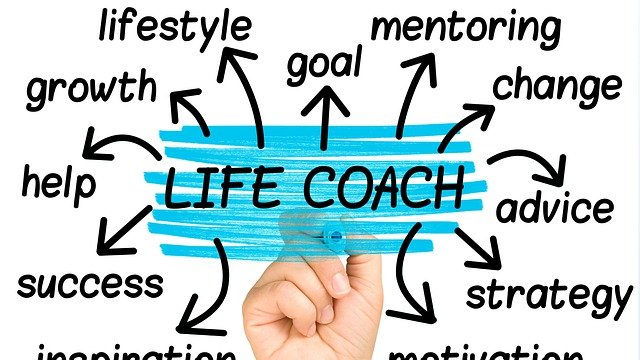
Life coaching has become a popular career choice for individuals who enjoy helping others achieve personal and professional goals. As demand for qualified coaches grows, many aspiring professionals explore certification in life coaching to strengthen their knowledge and credibility. While certification is not legally required in many places, it can provide valuable training, practical experience, and ethical guidance. Understanding what certification involves can help you make an informed decision before starting your coaching journey.
What Is Certification in Life Coaching?
Life coaching certification is a professional credential awarded after completing a coach training program that meets specific learning requirements. These programs teach aspiring coaches the skills needed to guide clients through goal setting, decision-making, and personal growth.
Unlike a college degree, certification focuses on coaching techniques rather than academic study. It is also different from a professional license because coaching is generally not a licensed profession in the United States. Certification serves as evidence that a coach has completed formal training and understands accepted coaching practices.
Why Is Certification Important?
Earning a certification can help aspiring coaches build the knowledge and confidence needed to work with clients effectively. Many certification programs introduce ethical guidelines, communication techniques, and practical coaching methods that support professional development.
Certification may also improve credibility, as some clients and employers prefer working with coaches who have completed recognized training. Although success ultimately depends on experience and client relationships, certification provides a solid starting point for developing coaching skills and understanding professional responsibilities.
What Should You Expect From a Life Coaching Certification Program?
A life coaching certification program introduces learners to the essential skills and knowledge required for professional coaching. Most programs include the following elements:
- Coaching Fundamentals: Learn the core principles, responsibilities, and purpose of professional coaching.
- Communication Skills: Develop active listening, effective questioning, and constructive feedback techniques that encourage meaningful conversations.
- Goal Setting: Understand how to help clients identify objectives, create action plans, and stay accountable throughout the coaching process.
- Ethics and Professional Conduct: Learn about confidentiality, professional boundaries, and ethical decision-making when working with clients.
- Practice Sessions: Apply coaching methods through supervised practice, role-playing exercises, or real coaching conversations with feedback.
These learning experiences help aspiring coaches build practical skills before working independently with clients.
How Do You Choose the Right Certification Program?
Choosing the right certification program requires careful evaluation because programs vary in quality, curriculum, and learning experience. Before making a decision, consider the following factors:
- Recognition: Look for programs that are respected within the coaching industry and align with accepted professional standards.
- Curriculum: Review whether the program covers coaching techniques, ethics, communication, and practical application.
- Instructor Experience: Learn about the trainers’ coaching backgrounds and industry expertise.
- Practical Training: Choose programs that include coaching practice and personalized feedback rather than only theoretical lessons.
- Learning Format: Consider whether online, in-person, or hybrid learning best fits your schedule and learning preferences.
- Cost and Duration: Compare tuition, program length, and the value offered before making a commitment.
Taking time to evaluate these factors can help you select a program that supports your learning goals and future coaching career.
What Happens After Earning a Certification?
After completing certification in life coaching, many professionals begin building coaching experience through independent practice, private coaching businesses, or opportunities within organizations. Some choose to specialize in areas such as career, wellness, executive, or relationship coaching based on their interests and expertise.
Continued learning also plays an important role because coaching methods and client expectations evolve over time. Participating in workshops, advanced training, and professional communities can help coaches refine their skills and stay informed about industry developments.
Common Misconceptions About Life Coaching Certification
Several misconceptions can create confusion for aspiring coaches. Some of the most common include:
- Certification Is Legally Required: Coaching is generally not a licensed profession in the United States, and certification requirements may vary.
- Certification Guarantees Clients: Completing a program improves knowledge and credibility, but building a successful coaching practice also requires experience, networking, and strong client relationships.
- Coaching Is the Same as Therapy: Coaches help clients work toward future goals, while therapists diagnose and treat mental health conditions.
Understanding these differences helps aspiring coaches set realistic expectations and make informed career decisions.
Conclusion
Choosing a life coaching certification is an important step for anyone considering a career in coaching. A well-designed program can strengthen coaching skills, introduce ethical practices, and provide opportunities to apply learning in practical situations. While certification alone does not determine long-term success, it can serve as a valuable foundation for professional growth. By carefully evaluating available programs and continuing to develop your skills, you can prepare yourself for a rewarding coaching career.


