 WhatsApp Us Now
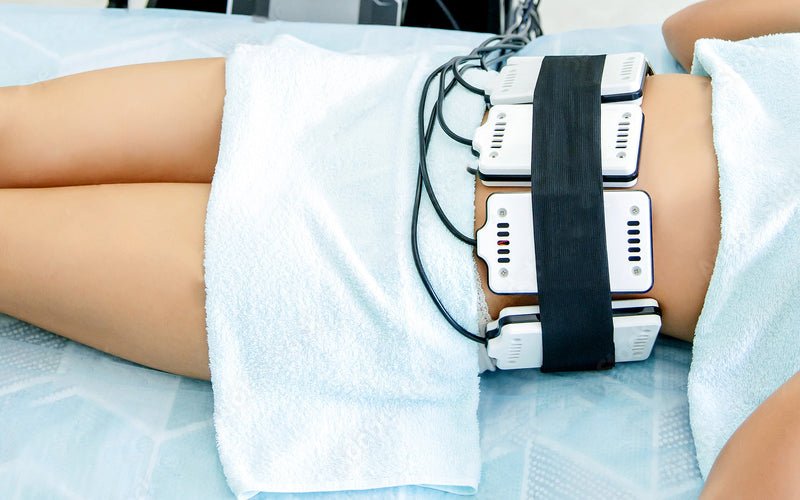
The number of sessions needed for body contouring depends on the treatment area, amount of localized fat, skin quality, and the individual’s desired level of refinement. For many people considering Laser Liposuction, an important question is whether one session is enough or whether multiple treatments may be recommended. Laser-assisted fat reduction is generally designed to address stubborn fat deposits that do not respond easily to diet and exercise. The treatment of Laser Liposuction in Dubai (شفط الدهون بالليزر في دبي) plan is personalized rather than based on a fixed number of sessions for everyone. Some individuals may achieve their desired contour after one treatment, while others may require additional procedures or staged treatment for different areas. Understanding how the technique works, what influences session requirements, and how results develop can make the treatment journey easier to plan.
Learn about Laser Liposuction in Dubai, its benefits, cost, and results. Book your consultation today!
What Is The Treatment And How Does It Work?
Laser liposuction combines fat removal with laser energy designed to assist the contouring process. During the procedure, a small laser-assisted instrument is introduced into the targeted area. Laser energy can help disrupt or liquefy fat cells, making their removal more controlled. The technique may also support collagen stimulation and skin tightening, although the degree of tightening varies between individuals.
Unlike general weight-loss methods, Laser Liposuction (شفط الدهون بالليزر) is intended primarily for body contouring. It is not a substitute for maintaining a healthy weight or treating widespread obesity. Common treatment areas can include the abdomen, waist, thighs, arms, back, and other areas where localized fat deposits are present.
Why Is The Number Of Sessions Important?
Determining the appropriate number of sessions helps create realistic expectations. Treating too much tissue at once may not always be appropriate, while dividing treatment into separate stages can sometimes allow more controlled contouring. The treatment plan should therefore consider safety, anatomy, healing, and aesthetic goals together.
In many cases, a single treatment may be sufficient for a specific localized area. Additional treatment may only be considered after the body has had adequate time to heal and the final contour has become clearer. This is important because swelling can temporarily hide the outcome during the early recovery period.
Types Of Treatment And Session Planning:
Treatment approaches can vary according to the area and the amount of contouring required. A smaller localized area may require a different plan from multiple areas treated during the same procedure. Some people may focus on one region, while others may seek comprehensive contouring involving several body zones.
Common Treatment Planning Approaches
Single-session contouring:
A single session may be appropriate when the target area has a moderate amount of localized fat and the desired improvement can reasonably be achieved in one procedure.
Staged treatment:
Some individuals may benefit from treating different areas at separate times. This approach can make recovery more manageable and allow the outcome of one area to be assessed before proceeding with another.
Additional refinement:
Occasionally, a person may consider further contouring if residual fullness remains after healing. This decision should be made only after sufficient recovery time and professional assessment.
Can More Sessions Produce Better Results?
Not necessarily. More sessions do not automatically mean better results. The goal is controlled, proportionate contouring rather than removing as much fat as possible. Excessive treatment may create uneven contours or compromise the natural appearance of the body. A carefully planned treatment is more important than simply increasing the number of sessions.
Preparation, Aftercare And Ideal Candidate:
Preparation can influence the overall treatment experience and recovery. Before the procedure, individuals should provide complete information about their health, medications, allergies, previous procedures, and relevant lifestyle factors. Any instructions concerning medication, smoking, alcohol, eating, or activity should be followed carefully.
Aftercare And Recovery:
After treatment, temporary swelling, bruising, tenderness, numbness, or sensitivity may occur. These effects generally improve gradually as healing progresses. Following the recommended aftercare routine can support recovery and help protect the treated area.
Important aftercare measures may include:
- Wearing compression garments when advised
- Keeping the treated area clean
- Avoiding strenuous activity until cleared
- Staying adequately hydrated
- Following wound-care instructions
- Attending recommended follow-up appointments
- Allowing the body enough time to heal before judging final results
Who Is An Ideal Candidate?
The ideal candidate is usually someone who is near a stable, healthy weight but has localized fat deposits that remain resistant to lifestyle changes. Good skin elasticity can also contribute to a smoother contour after fat removal. People should have realistic expectations and understand that body contouring is different from weight-loss treatment.
Individuals with significant weight fluctuations, certain medical conditions, or unrealistic expectations may require additional evaluation before considering the procedure.
How To Choose The Right Clinic And Understand The Benefits:
Choosing an appropriate treatment provider is an important part of planning any body-contouring procedure. Rather than focusing only on the number of sessions, patients should consider the quality of consultation, treatment technology, safety protocols, facility standards, practitioner qualifications, and the availability of appropriate follow-up care.
What Should You Ask During A Consultation?
- How many sessions may be appropriate for my target area?
- Can multiple areas be treated during one procedure?
- How long should I wait before considering another treatment?
- What type of results can realistically be expected?
- How long does swelling usually affect the appearance?
- What aftercare will be required?
- What complications or side effects should I understand?
- How will the treatment plan be adjusted if the desired contour is not achieved?
People researching the Best Laser Liposuction Dubai (افضل شفط الدهون بالليزر دبي) should look beyond promotional claims and consider whether the treatment approach is individualized, transparent, and focused on patient safety.
Benefits Of Appropriate Session Planning:
A properly planned treatment schedule may offer several advantages:
- More controlled body contouring
- Better attention to individual anatomy
- More realistic expectations
- Adequate recovery between procedures
- Opportunity to assess healing before further treatment
- Reduced temptation to pursue unnecessary procedures
- A more personalized aesthetic outcome
The final appearance also depends on maintaining a relatively stable weight. Remaining fat cells can enlarge with significant weight gain, potentially changing the treated contour over time.
FAQs:
Can I Have Multiple Sessions?
Multiple sessions may be possible when additional contouring is appropriate. They are generally planned around healing and should not be scheduled simply to accelerate results.
How Long Should I Wait Between Sessions?
There is no universal waiting period for everyone. The body needs sufficient time to recover and for swelling to decrease before another procedure is considered. A qualified professional can determine an appropriate interval based on the treated area and recovery.
Do More Sessions Mean More Fat Loss?
Not necessarily. The objective is to create balanced contours rather than maximize fat removal. Additional sessions should have a specific purpose and should be recommended only when appropriate.
When Will I See The Final Result?
Early changes may appear as swelling decreases, but final contouring can take considerably longer to become apparent. Patience is important because healing occurs progressively.
Can Results Last?
Fat cells removed during liposuction are permanently removed from the treated area. However, remaining fat cells can enlarge if substantial weight gain occurs. Maintaining healthy eating habits, regular physical activity, and a stable weight can help preserve the contour.
Conclusion:
The answer to how many Laser Liposuction sessions are needed depends on individual anatomy, treatment goals, fat distribution, skin quality, and the areas being addressed. Many people may require only one carefully planned session for a particular area, while others may benefit from staged treatment or later refinement. The safest approach is to allow adequate healing time, evaluate results realistically, and avoid assuming that more sessions automatically provide better outcomes. For anyone exploring Laser Liposuction in Dubai (شفط الدهون بالليزر في دبي), personalized assessment and appropriate treatment planning remain more important than choosing a predetermined number of sessions. With realistic expectations, proper preparation, suitable aftercare, and a focus on balanced contouring, treatment can be approached as a carefully planned body-shaping process rather than simply a series of procedures.


