 WhatsApp Us Now

Winter in Canada drags on endlessly, days are very short, and we just keep getting more stuff added to our plates. This is why so many Canadians are looking for mood enhancing supplements that will allow them to ease their anxiety without a trip to the doctor’s office.
This resource sheds some light on the scientific facts related to natural mood supplements, the vitamins and minerals that may be helpful, and how to approach buying supplements if you’re in Canada. Some of the most popular recent searches related to natural mood supplements, such as mushroom gummies and microdosing, will be covered here as well.
Why Canadians Are Turning to Natural Mood Supplements
Between shift work, screen time, and roughly six months of grey skies in much of the country, it’s not shocking that mood support supplements have become a fast-growing category at Canadian pharmacies and health stores. Add rising costs, ongoing wait times for mental health care, and general day-to-day stress, and it makes sense that people want accessible, lower-barrier options to feel a bit more like themselves.
It’s worth being clear-eyed here: supplements are not a replacement for therapy, medication, or a diagnosis. But for many people experiencing mild, everyday dips in mood — rather than clinical depression — certain nutrients and botanicals may support a more balanced emotional baseline when paired with sleep, movement, and sunlight.
How Mood-Boosting Supplements Actually Work
Most natural mood supplements fall into one of three categories:
- Nutrient correctors — replenishing vitamins and minerals your body needs for neurotransmitter production (like B vitamins, vitamin D, and magnesium).
- Adaptogens — herbs like ashwagandha and rhodiola that are commonly used for helping the body manage stress responses.
- Precursor and amino acid support — compounds like 5-HTP or L-theanine that are being researched for their role in supporting serotonin and calm-alert states.
None of these work like a fast-acting medication. Most take two to six weeks of consistent use before people notice a difference, and results vary a lot from person to person.
Best Vitamins for Depression and Anxiety: What the Evidence Says
When people search for the best vitamins for depression and anxiety, a handful of nutrients come up again and again in clinical literature. Here’s a practical breakdown.
| Nutrient | Commonly Used For | Typical Daily Range* | Notes for Canadians |
| Vitamin D3 | Low mood linked to limited sunlight exposure | 1,000–2,000 IU | Health Canada notes many Canadians are low in vitamin D, especially October to April |
| Vitamin B12 | Energy, nervous system support | 500–1,000 mcg | Especially relevant for older adults and those on plant-based diets |
| Magnesium (glycinate) | Relaxation, sleep quality | 200–400 mg | Glycinate form is gentler on digestion than magnesium oxide |
| Omega-3 (EPA/DHA) | General brain and mood support | 1,000–2,000 mg combined | Look for third-party tested fish or algae oil |
| Ashwagandha (KSM-66 or Sensoril) | Stress and cortisol support | 300–600 mg | Avoid during pregnancy unless approved by a healthcare provider |
| Saffron extract | Mild mood support | 30 mg | Emerging research area; more studies are ongoing |
| L-theanine | Calm focus, mild anxiety support | 100–200 mg | Often paired with green tea extract |
*Ranges are general guidance based on common product labelling and published research, not personalized medical dosing. Always check the Natural Health Product Number (NPN) on Canadian labels and follow the product’s specific directions.
A Quick Note on Health Canada and NPNs
Any legitimate natural health product sold in Canada should carry an NPN (Natural Product Number) or DIN-HM, confirming it has been reviewed by Health Canada for safety, quality, and labelling accuracy. This is one of the simplest ways to filter out unregulated or poorly manufactured products when comparing mood support supplements online.
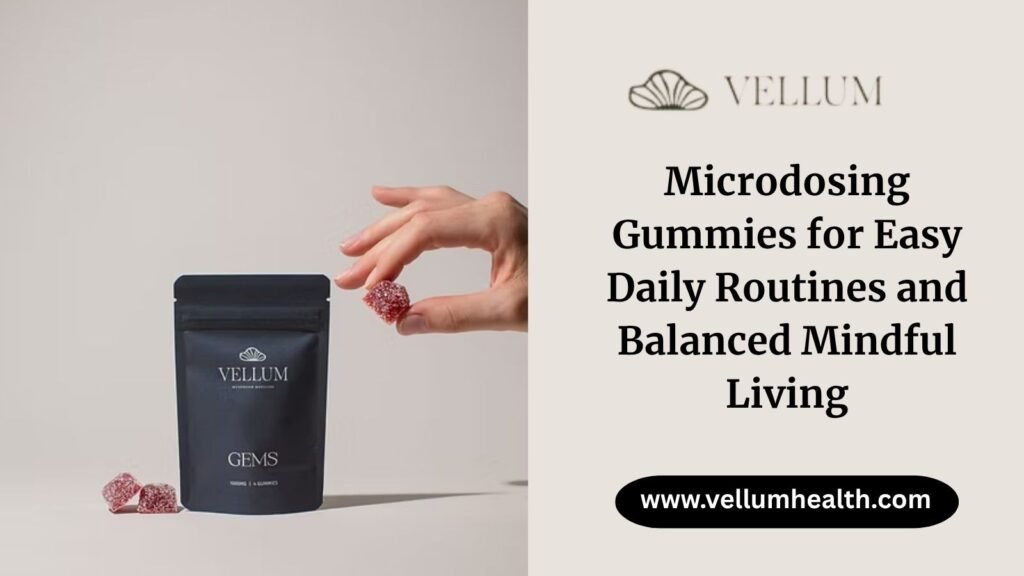
Functional Mushroom Gummies: A Legal, Growing Category
Searches for mushroom gummies for depression have spiked in recent years, largely thanks to interest in functional mushrooms like lion’s mane, reishi, and cordyceps. It’s important to distinguish these from psilocybin mushrooms, which remain a controlled substance in Canada.
Legal functional mushroom gummies typically use mushroom extracts that contain no psychoactive compounds. They’re commonly used for:
- Supporting focus and mental clarity (lion’s mane)
- Supporting stress resilience and sleep (reishi)
- Supporting general energy and vitality (cordyceps)
While early research on lion’s mane and nerve growth factor is promising, human studies on mood specifically are still limited. These products are best framed as a gentle, food-based way to support overall wellness rather than a targeted depression treatment.
What About Microdosing Mushrooms in Canada?
Given how often microdosing mushrooms Canada comes up in search, it deserves an honest answer: psilocybin remains illegal under the Controlled Drugs and Substances Act, with narrow exceptions such as approved clinical trials or Health Canada’s Special Access Program for specific medical circumstances. Outside of those regulated pathways, possessing or using psilocybin is not legal, and we won’t provide dosing guidance here.
If you’re curious about psilocybin-assisted therapy, the responsible route is speaking with a physician about legal research studies or regulated treatment programs, not sourcing products informally. This is an evolving area of Canadian drug policy, so it’s worth checking current federal and provincial updates before assuming anything has changed.
How to Choose a Quality Mood Support Supplement
Not all mood boosting supplements are created equal. Before buying, run through this quick checklist:
- Check for an NPN or DIN-HM on the label.
- Look for third-party testing for purity and potency.
- Match the dose to published research, not marketing claims.
- Start with one new supplement at a time so you can track how you respond.
- Check for interactions with any medications, especially antidepressants or anti-anxiety medications, since combinations like St. John’s Wort and SSRIs can be dangerous.
Retailers focused on Canadian consumers, such as Vellum Health’s mood support supplement collection typically list NPNs and sourcing details directly on the product page, which makes comparison shopping easier.
Realistic Expectations: Supplements Are One Piece of the Puzzle
It’s tempting to treat a bottle of pills as a quick fix, but the research consistently shows that natural mood supplements work best as part of a broader routine:
- Consistent sleep — even 30 extra minutes a night can meaningfully affect mood regulation.
- Daily movement — a 20-minute walk has measurable effects on stress hormones.
- Light exposure — especially relevant during Canadian winters; a light therapy lamp can complement vitamin D.
- Social connection — isolation is one of the strongest predictors of worsening mood.
Supplements can help support the foundation, but they work alongside these habits, not instead of them.
Frequently Asked Questions
Do mood boosting supplements actually work?
Some supplements, such as vitamin D, B12, and magnesium, have evidence supporting mood when correcting deficiencies. Adaptogens like ashwagandha and saffron may help some people, but results vary.
How long does it take for mood supplements to work?
Most mood supplements require consistent daily use for 2–6 weeks before noticeable effects appear. They work gradually by supporting the body’s natural processes.
Are mushroom gummies the same as psilocybin mushrooms?
No. Functional mushroom gummies contain non-psychoactive mushrooms like lion’s mane or reishi, not psilocybin. They are a different product category with different effects.
Can I take mood supplements with antidepressants?
Some supplements can interact with antidepressants and may not be safe to combine. Always consult a doctor or pharmacist before using them together.
What vitamin deficiency is most linked to low mood in Canada?
Vitamin D deficiency is commonly associated with low mood, especially during Canada’s darker months. A healthcare professional can determine if supplementation is appropriate.
Is microdosing mushrooms legal in Canada?
Psilocybin remains a controlled substance in Canada, with limited legal access through specific medical pathways. Recreational or informal microdosing is not legally permitted.
Conclusion
There’s no single supplement that fits every person’s biology, routine, or budget — and that’s okay. The most sustainable approach is usually the boring one: pick a well-reviewed, properly labelled product, give it a few honest weeks, and pair it with the sleep, movement, and sunlight your body is actually asking for. If something doesn’t feel right, or your mood dips further, that’s your cue to loop in a healthcare provider rather than trying to supplement your way out of it. Small, informed choices — repeated consistently — tend to beat any single “miracle” bottle on the shelf.


