 WhatsApp Us Now
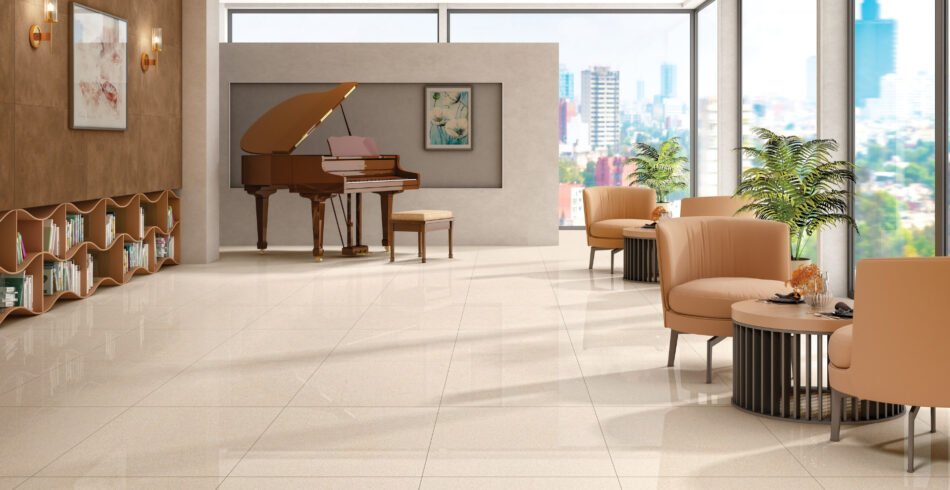
Picking the right adhesive matters just as much as picking the tiles themselves. Different adhesives are built for different tile materials, wall surfaces, and installation conditions, and using the appropriate adhesive is crucial not only in creating a strong bond but also for enhancing the overall strength and finish of the tiled surface. Whether it is a kitchen backsplash, bathroom wall or a commercial project, knowing about the different varieties of tile adhesives and their applications, helps in achieving a safe and durable installation.
Cement-Based Adhesive
Cement-based adhesive is the most common adhesive used for wall tiles. It comes in a powder that is mixed with water at the time of application. This product offers high bonding strength for ceramic, porcelain and vitrified tiles. The cement-based adhesive is perfect for use on plastered walls, concrete surfaces and masonry. It can be either of standard or polymer-modified type depending on what will be installed on the wall.
Applications
Cement-based adhesive is best used for installing ceramic and porcelain wall tiles in living areas, kitchens, bedrooms, bathrooms and even on exterior walls when the mixture has been specifically treated for this application. Due to its durability and versatility, it is widely applied in both renovation and construction projects.
Polymer-Modified Adhesive
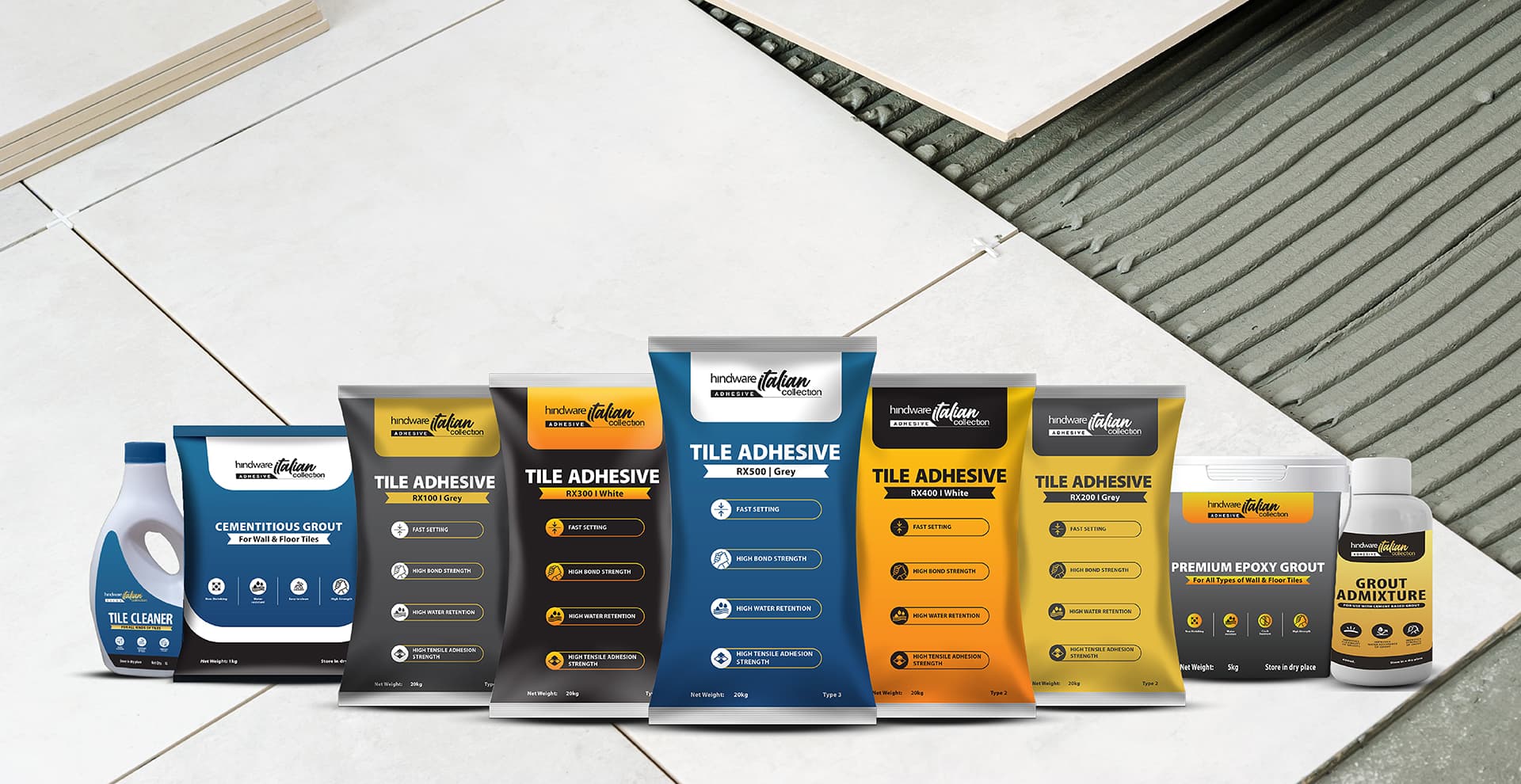
A polymer-modified adhesive contains special additives to improve flexibility, adhesion and water resistance. Due to these characteristics, it is suitable for modern tile installations requiring stronger bonding. It works exceptionally well with premium tile brands, including large-format Hindware Italian tiles as well as low-porosity materials such as porcelain and vitrified tiles.
Applications
This adhesive is generally used on bathroom walls, shower areas, kitchen walls, balconies and utility space where moisture exposure is high. It can be used on vertical walls carrying heavier tiles, since its stronger grip helps stop tiles from sliding down before they set.
Premixed Adhesive (Mastic)
A premixed adhesive, which is also known as mastic, comes in ready-to-use form so no mixing is needed. It gives a nice initial grip, so tile laying is easy and more convenient for small jobs. However, it is usually recommended only for lightweight wall tiles and dry areas.
Applications
The premixed adhesive is the best option for use on kitchen backsplashes, decorative feature walls, laundry rooms and other interior walls with limited moisture. It is used in many renovation projects because it is easy to use and clean.
Epoxy Adhesive
Epoxy adhesive is produced from the combination of resin and a hardener which forms a very strong bond. This has excellent resistance to water, stains, chemicals and heavy use and is one of the highest performing tile adhesives. It requires careful mixing and application, yet has long-lasting performance in demanding environments.
Applications
Epoxy adhesive is used in swimming pools, commercial kitchens, hospitals, laboratories, food and chemical processing facilities, and industrial buildings with ceramic tiles that are exposed to water, chemicals or heavy cleaning. Moreover, it is appropriate for glass mosaics and specialised wall plastic tile installations that require high bond strength.
Every adhesive floor tiles is made for a specific tile application. Cement-based adhesive is best for ordinary wall uses, polymer-modified adhesive is great for wet areas, premixed adhesives are easy for small indoor jobs and epoxy adhesives offer the highest strength for demanding environment. Understanding the uses of each type helps ensure better adhesion, improved longevity, and a professional-quality finish for every tiling project.


