 WhatsApp Us Now
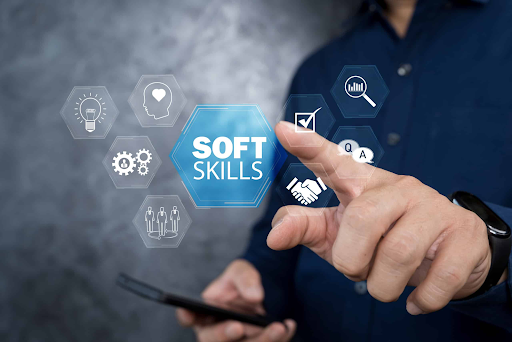
Over the years recruitment has quietly evolved. Although degrees and certificates continue to be a major factor in employment, employers are now looking at candidates’ thought processes, communication skills, and performance in stressful situations with equal or more importance. Employability is no longer about ticking boxes and now about real human ability. The soft skills training for employability has therefore become a growing priority for both job seekers and organisations alike. This article discusses the growing importance of these attributes in the eyes of employers and also provides simple ideas to boost employability.
-
Rethinking What Makes a Candidate Employable
In the past the concept of employability was synonymous with the need for a certain type of qualification in order to secure a job. It now covers a wider spectrum of attributes such as adaptability, communication as well as emotional maturity. Employers realise that skills can be taught, but attitude and interpersonnel behaviour is not always so easily changed. The change has reshaped the view of companies on the need for hiring and now they pay attention not only to the way candidates look on paper, but rather how they think, act and communicate with others in the process.
-
The Business Case Behind Soft Skills
The employment decisions that employers make are economic, as well as cultural. When a technically proficient person doesn’t have good communication or collaboration skills, it can have a negative impact on team dynamics as well as productivity.
-
How First Impressions Reflect Deeper Qualities
Interviews can give more information than the questions that are asked. A candidate’s initial response to an interviewer, how they listen and how they respond indicates their ability to think critically as well as reflect on information. Employers take note of these subtle signals, because they can tell a lot about an individual’s behavior in his or her workplace. A successful first impression is often more composed, professional along with sincere than a set response, and it is a reminder to job seekers that being authentic is as important as being prepared.
-
Long-Term Value Over Short-Term Skill
The technical skills may get you the job, but the skill of adaptation, development and working together over time will get you the job. Employers like to have people they can keep learning from and growing, and not just relying on the knowledge that they’ve already acquired. On a more long-term basis, it’s the reason that soft skills are now more significant in the recruitment process, because it’s about maintaining sustainability and adapting to new roles, responsibilities and organisational challenges.
-
Building Trust Beyond the Resume
Trust is the invisible force that is very powerful in the hiring process. However, resumes don’t always reveal the personality of the applicant and it is only natural that employers would want to hire people who are honest, friendly, dependable. This trust must be built at the earliest point in the recruiting process and that requires consistency and consistency in the actions, as well as the words.
Conclusion
Employers today are looking for more than technical skills: they look for character, communication and real adaptability. The soft skills training for corporates has therefore become essential in the workplace, as it is a way of representing how people think, relate, and develop in the workplace. By cultivating these attributes, job seekers can boost their prospects of landing a job and develop foundations for long-term career success.


