 WhatsApp Us Now
For many people beginning their weight loss journey, concerns about discomfort are completely natural. One of the most common questions is whether Gastric Balloon Placement in Dubai causes significant pain during the first week after the procedure. While the experience varies from person to person, most individuals notice temporary symptoms rather than severe pain. The stomach needs time to adjust to the balloon, and this adjustment period often lasts several days before noticeable improvement begins. Understanding what happens during recovery can reduce anxiety and help patients prepare for a smoother healing process.
Understanding the First Week After Gastric Balloon Placement
The first week is considered the body’s adaptation phase. Since the stomach is not used to having a soft balloon inside it, it naturally reacts during the initial days. This response is expected and is a sign that the digestive system is adjusting to the new environment.
Most patients experience symptoms such as:
- Mild to moderate stomach cramps
- Nausea
- Vomiting during the first few days
- A feeling of fullness
- Occasional bloating
- Temporary fatigue
These symptoms usually become less intense as the body adapts. Many people notice gradual improvement within three to seven days, although recovery speed differs depending on individual health, hydration, and how closely post-procedure guidelines are followed.
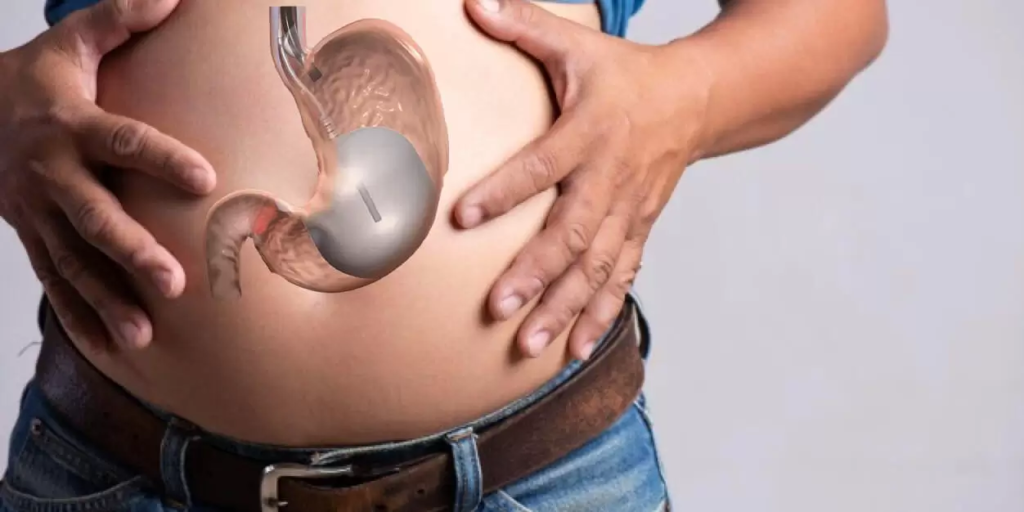
Is It Pain or Temporary Discomfort?
Many patients describe the sensation as discomfort rather than actual pain. The stomach muscles continue trying to adapt to the balloon, which may create cramping or pressure. Instead of sharp pain, people often report feelings similar to indigestion or motion sickness.
Several factors influence the level of discomfort, including:
- Personal pain tolerance
- Balloon size
- Stomach sensitivity
- Previous digestive conditions
- Compliance with dietary instructions
Following the recommended liquid diet during the first stage helps reduce irritation while allowing the stomach to settle gradually.
Why Does the Stomach React This Way?
The stomach recognizes the balloon as a new object, triggering temporary muscle contractions. This natural response explains why nausea and cramping are common immediately after placement.
Other reasons include:
- Increased stomach sensitivity
- Slower stomach emptying
- Changes in digestion
- Temporary irritation of the stomach lining
Healthcare providers generally recommend medications that help manage nausea and stomach spasms during the early recovery period. Rest, hydration, and eating slowly also contribute to greater comfort.
Recovery Progress Throughout the Week
During the first few days, patients usually consume only liquids before slowly introducing soft foods according to medical guidance. This gradual transition helps prevent unnecessary irritation while supporting healing.
At this stage, Gastric Balloon Treatment in Dubai encourages patients to develop healthier eating habits alongside recovery. Smaller meals, slower eating, and mindful hydration become essential practices that not only improve comfort but also support long-term weight management.
Daily improvements often include:
- Reduced nausea
- Less stomach cramping
- Better hydration
- Improved energy levels
- Greater tolerance for soft foods
The adjustment period differs for everyone, but consistent adherence to dietary recommendations usually makes recovery more manageable.
Tips to Reduce Discomfort During the First Week
Simple lifestyle habits can significantly improve comfort after gastric balloon placement.
Helpful strategies include:
- Sip water slowly throughout the day.
- Avoid drinking large amounts at once.
- Eat very small portions.
- Chew food thoroughly.
- Stay upright after meals.
- Get adequate rest.
- Avoid heavy physical activity for several days.
- Follow medication instructions carefully.
Patients who rush meals or consume solid foods too early may experience increased discomfort, making patience an important part of recovery.
When Should You Be Concerned?
Although temporary symptoms are expected, certain signs require prompt medical attention. Knowing the difference between normal recovery and possible complications is important for patient safety.
Seek medical advice if you experience:
- Severe or worsening abdominal pain
- Persistent vomiting lasting several days
- High fever
- Difficulty swallowing liquids
- Blood in vomit
- Signs of dehydration such as dizziness or reduced urination
These symptoms are uncommon but should never be ignored, as early evaluation helps prevent further complications.
Emotional Adjustment During Recovery
Physical recovery is only one aspect of the first week. Many patients also experience emotional adjustments as they adapt to eating differently and feeling full much sooner than before.
Common emotional experiences include:
- Anxiety about eating
- Excitement about beginning weight loss
- Temporary frustration during dietary restrictions
- Increased awareness of previous eating habits
Support from family members and healthcare professionals often makes this transition easier. Maintaining realistic expectations helps patients remain motivated while their bodies adapt to the balloon.
Benefits of Gastric Balloon Placement
Although the first week may involve temporary discomfort, the long-term advantages often outweigh the short adjustment period for suitable candidates.
Some notable benefits include:
- Promotes portion control naturally
- Encourages healthier eating habits
- Supports gradual and sustainable weight loss
- Helps reduce unnecessary snacking
- Improves feelings of fullness after smaller meals
- Motivates positive lifestyle changes
- May contribute to better overall health when combined with proper nutrition and physical activity
The procedure serves as a valuable tool for individuals committed to making lasting lifestyle improvements rather than relying on short-term dieting methods.
Recovery Expectations Beyond the First Week
By the end of the first week, many patients notice that nausea has significantly decreased and stomach discomfort has become much more manageable. As the body becomes accustomed to the balloon, eating patterns begin to stabilize, making it easier to follow nutritional recommendations.
Energy levels often improve as hydration and food intake become more balanced. Patients gradually regain confidence in eating while continuing to focus on portion control, balanced nutrition, and healthy daily habits. Regular follow-up appointments also help monitor progress and ensure that recovery continues as expected.
Conclusion
The first week after gastric balloon placement is typically characterized by temporary discomfort rather than severe pain. Mild cramping, nausea, bloating, and fullness are common as the stomach adjusts to the balloon, but these symptoms generally improve within several days. Following dietary instructions, staying hydrated, and allowing the body adequate time to adapt all contribute to a smoother recovery. Patients receiving care at Dynamic Clinic can also benefit from professional guidance and structured follow-up that supports both recovery and long-term weight management.


