 WhatsApp Us Now
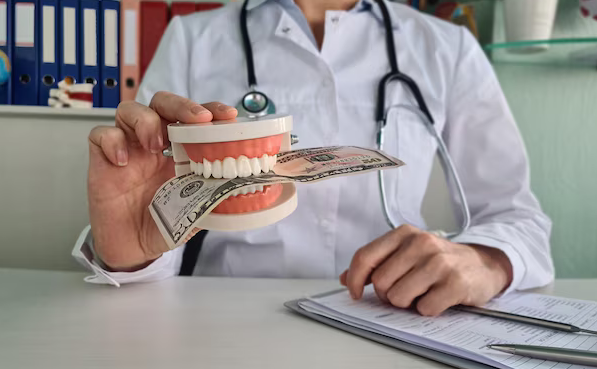
Dental implants have become the gold standard for replacing missing teeth. Unlike traditional dentures or bridges, dental implants offer a permanent, natural-looking solution that restores function and aesthetics by cost of dental implants in Mississippi anchoring a replacement tooth directly into the jawbone.
What Are Dental Implants?
A dental implant consists of three main parts:
- Implant Fixture: A titanium screw surgically placed into the jawbone, acting like a tooth root.
- Abutment: A connector piece that attaches the implant fixture to the crown.
- Crown: The artificial tooth that is visible in your mouth.
Together, these components restore a missing tooth so that it looks, feels, and functions much like a natural one.
Typical Cost Range for Dental Implants
In the USA, the average cost for a single dental implant (implant + abutment + crown) typically falls between $3,000 and $5,000. Cost of dental implants in Mississippi This range can fluctuate widely depending on several factors, which we’ll explore next.
Factors That Affect Dental Implant Costs
- Geographic Location
Where you live plays a significant role in how much you’ll pay for dental implants. Urban areas with higher living costs, such as New York City, Los Angeles, or San Francisco, often have higher dental fees compared to smaller cities or rural regions.
- Dentist’s Expertise and Specialty
Implants require surgical skill, and many patients prefer specialists such as oral surgeons, periodontists, or prosthodontists cost of dental implants in Mississippi who focus extensively on implantology. These specialists may charge more for their expertise compared to general dentists, which can impact the overall cost.
- Materials and Implant Brand
Not all implants are the same. Different manufacturers offer a range of implant systems with varying technologies, materials, cost of dental implants in Mississippi and warranties. Some premium brands come with higher price tags but may offer specific benefits like better durability or quicker healing.
- Additional Procedures
Many patients don’t have enough healthy bone to support an implant right away and may need preparatory work such as:
- Bone grafting: Adding bone material to build up the jawbone.
- Sinus lifts: Raising the sinus floor to create space for implants in the upper jaw.
- Tooth extractions: Removing damaged teeth before placing implants.
These procedures add to the total cost, cost of dental implants in Mississippi sometimes by hundreds or even thousands of dollars.
- Number of Implants and Type of Restoration
Replacing multiple teeth will naturally increase your costs. However, there are cost-effective solutions like implant-supported bridges or dentures that use fewer implants to support multiple teeth.
The type of restoration also matters:
- Single crowns tend to be more expensive per tooth.
- Implant-supported dentures or bridges can be more affordable per tooth when replacing many teeth.
Breaking Down the Cost Components
Here’s an approximate cost breakdown for a single implant procedure:
- Implant placement surgery: $1,500 to $3,000
- Abutment (connector piece): $300 to $500
- Crown (replacement tooth): $1,000 to $2,000
- Bone grafting (if needed): $200 to $3,000
- Diagnostic imaging (X-rays or CT scans): $100 to $500
Occasionally, medical insurance may cover cost of dental implants in Mississippi implants if they are necessary due to injury or specific medical conditions.
Are Dental Implants
Many dental offices offer payment plans or financing options that allow you to spread the cost over several months or years, making implants more affordable without large upfront payments.
Worth the Investment?
Though dental implants often have a higher upfront cost of dental implants in Mississippi cost than alternatives like dentures or bridges, they offer many long-term benefits, including:
- Improved chewing and speaking ability
- Preservation of jawbone health
- A natural look and feel
- Longevity—implants can last 20 years or more with proper care
Many patients view implants as an investment in their oral health and quality of life.


