 WhatsApp Us Now
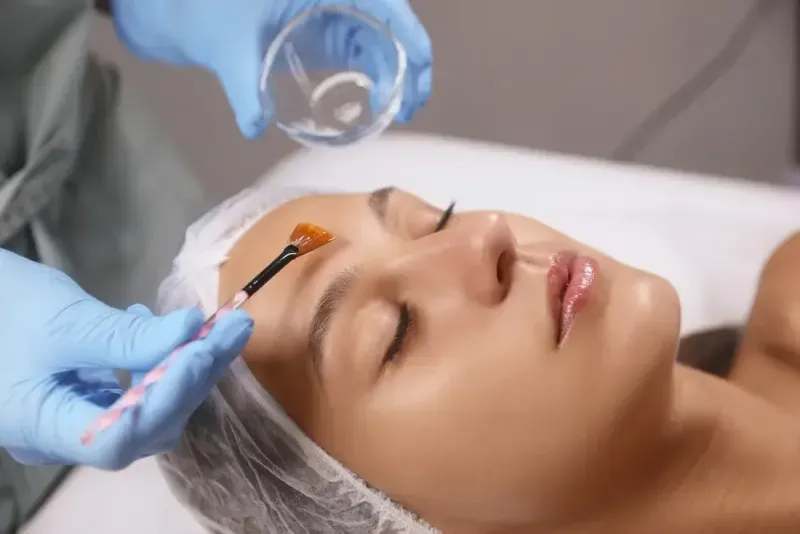
Chemical peels work by promoting cell turnover. The solution applied to the skin breaks down dead skin cells, allowing the body to naturally shed the old layers. As the skin heals, new skin forms that appears smoother and more vibrant.
People often opt for Chemical Peels in Dubai due to the city’s thriving aesthetic industry and the availability of cutting-edge skin care technologies tailored to suit various skin types and climates.
Why Chemical Peels Are Considered Effective for Anti-Aging
Reducing Fine Lines and Wrinkles
One of the major reasons chemical peels are considered a reliable anti-aging solution is their ability to reduce fine lines and wrinkles. By removing the outer layer of skin, peels stimulate collagen production, helping to firm the skin and diminish age-related lines.
Improving Skin Elasticity and Tone
Over time, sun exposure, stress, and aging lead to uneven skin tone and sagging. Chemical peels rejuvenate the skin, improving elasticity and restoring a more youthful, balanced complexion.
Enhancing Radiance
As we age, dead skin cells accumulate, dulling the complexion. Chemical peels remove this layer, leaving skin noticeably brighter and smoother.
Different Types of Chemical Peels for Aging Skin
There are various types of peels, each with its own depth and strength. Choosing the right one depends on your skin type and the severity of aging signs.
| Type of Peel | Penetration Level | Best For |
|---|---|---|
| Superficial Peel | Outer epidermis | Fine lines, minor discoloration |
| Medium Peel | Epidermis to dermis | Wrinkles, sun damage |
| Deep Peel | Mid to lower dermis | Deep wrinkles, age spots |
Superficial Peels
These are mild and ideal for regular use. They improve minor skin concerns and offer a refreshing glow.
Medium Peels
Medium-depth peels go deeper into the skin and target moderate lines, age spots, and pigmentation issues. Recovery time is slightly longer, but results are more noticeable.
Deep Peels
Deep peels are intensive treatments used for deep wrinkles and severe sun damage. They produce dramatic results but require significant downtime and aftercare.
Key Benefits of Chemical Peels for Anti-Aging
Stimulating Collagen Production
Collagen is the protein that keeps skin firm and smooth. As we age, collagen production declines. Chemical peels stimulate new collagen formation, helping restore a youthful texture.
Reducing Age Spots and Pigmentation
Hyperpigmentation, sunspots, and melasma often appear with age. Chemical peels help lighten these spots by removing pigmented skin layers and encouraging uniform regeneration.
Minimizing Enlarged Pores
Aging and sun damage can enlarge pores. By exfoliating deeply, peels help refine pores, leaving skin looking smoother and more even.
What to Expect During and After the Procedure
The Procedure
The treatment begins with cleansing the skin. The chemical solution is applied and left for a specific time based on peel strength. You may feel tingling or slight burning, which is normal.
Recovery and Peeling Phase
Peeling usually starts within a day or two and can last from a few days to a week. It’s important to avoid sun exposure and use recommended moisturizers and sunscreens.
| Recovery Period | Peel Type | Duration |
|---|---|---|
| Minimal | Superficial Peel | 1 to 3 days |
| Moderate | Medium Peel | 5 to 7 days |
| Extended | Deep Peel | 10 to 14 days |
Who Can Benefit From Chemical Peels?
Suitable Candidates
People with fair to medium skin tones tend to respond best to chemical peels, but advancements in formulations now allow customized peels for darker skin types too. Candidates should be free from active skin infections and have realistic expectations.
Ideal Age to Start
Many individuals begin using light chemical peels in their late 20s or early 30s for preventive care. However, they are highly beneficial for those in their 40s and beyond to reduce visible signs of aging.
Things to Consider Before Opting for a Peel
Skin Sensitivity
Some skin types may experience irritation or prolonged redness after a peel. It’s essential to have a patch test or consultation to evaluate skin suitability.
Aftercare Commitment
For best results, proper aftercare is critical. This includes avoiding harsh products, heat exposure, and direct sun for several days post-treatment.
FAQs
1. How long do chemical peel results last?
Results can last from several months up to a year depending on the type of peel and your skincare routine. Maintenance sessions help extend the effects.
2. Can chemical peels be combined with other treatments?
Yes, chemical peels can be part of a broader anti-aging regimen that may include microneedling, facials, or laser treatments.
3. Are chemical peels safe for sensitive skin?
With the right formulation and professional supervision, even sensitive skin can benefit. Superficial peels are generally safer options.
4. How often should I get a chemical peel?
Superficial peels can be done every 4–6 weeks. Medium or deep peels are spaced several months apart due to their intensity.
5. Can I go out in the sun after a peel?
Sun exposure should be minimized after a peel, especially during the healing phase. Always use a broad-spectrum sunscreen.
Final Thoughts
Chemical peels are a scientifically proven, effective way to combat the signs of aging. From fine lines and wrinkles to pigmentation and dullness, these treatments offer transformative benefits with relatively minimal downtime. Whether you’re just beginning your anti-aging journey or looking for a way to refresh and renew your skin, chemical peels present a versatile, customizable option for all skin types.


