 WhatsApp Us Now

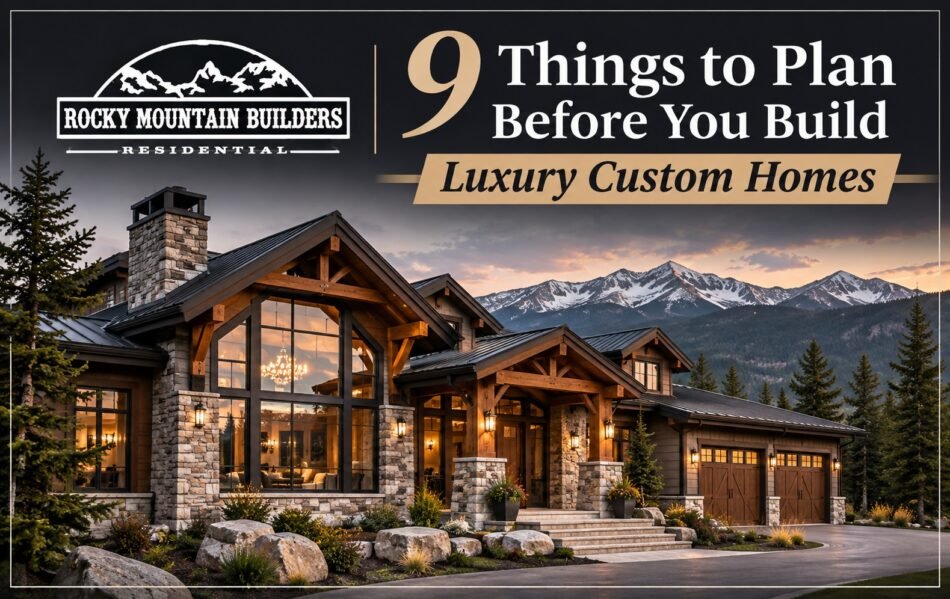
Building a home from the ground up is an exciting opportunity, especially when you have the freedom to design every room around your needs. But creating a beautiful home involves more than choosing an attractive exterior or expensive finishes. The most successful projects begin with careful planning, practical decisions, and a clear understanding of what matters most to the homeowner.
From selecting the right property to working with experienced professionals, several important factors can influence the final result. Understanding these details before construction begins can help you avoid unnecessary expenses, reduce delays, and create a home that remains comfortable for years.
When planning luxury custom homes, homeowners should look beyond appearance and consider how the property will support their everyday routines. A thoughtful design should balance personal preferences, quality construction, energy efficiency, and long-term maintenance. Knowing what to prioritize early can make the entire building process easier to manage.
1. Choose a Location That Fits Your Lifestyle
The location of your home affects almost every part of the building process. It influences construction costs, architectural possibilities, privacy, accessibility, and future property value.
Some homeowners prefer a peaceful mountain setting surrounded by nature, while others want a lakeside property or a spacious residential lot closer to schools, shopping, and everyday services.
Before purchasing land, consider several practical details:
- Accessibility: Check road conditions and how easily you can reach essential services.
- Land conditions: Understand the slope, soil stability, and drainage requirements.
- Utilities: Confirm the availability of electricity, water, sewage, and internet services.
- Local regulations: Review zoning restrictions, building setbacks, and permit requirements.
- Environmental factors: Consider seasonal weather, sun exposure, wind, and potential natural hazards.
For example, building on a sloped mountain property may create opportunities for impressive views, but it can also require additional foundation work and specialized construction planning.
Visiting a property during different weather conditions can help you understand its advantages and limitations before making a final decision.
2. Establish a Realistic Construction Budget
One of the biggest mistakes homeowners make is focusing only on the estimated cost of building the house.
A complete construction budget should also account for land preparation, architectural services, permits, utility connections, landscaping, and interior finishes.
The final cost can vary significantly depending on the location, square footage, architectural complexity, and materials selected.
Start by separating your budget into essential features and optional upgrades. For instance, durable roofing, effective insulation, and quality windows may deserve priority over decorative features that can be added later.
It is also wise to maintain a contingency reserve for unexpected expenses. Changes in site conditions, material availability, or design decisions can affect the original estimate.
Discussing costs with your builder during the planning stage helps establish realistic expectations and allows you to make informed decisions before construction begins.
3. Design Your Floor Plan Around Everyday Living
An attractive floor plan is important, but it should also make everyday activities easier.
Think about how your household uses different spaces throughout the day. Do you regularly entertain guests? Do you work from home? Would you benefit from a separate guest suite or additional storage?
These questions can help determine the best layout for your property.
Open living areas may work well for families who enjoy spending time together. However, separate rooms can provide more privacy, reduce noise, and create dedicated spaces for work or relaxation.
Other useful design considerations include natural lighting, kitchen accessibility, bedroom placement, and convenient connections between indoor and outdoor spaces.
It is also important to consider how your needs may change over time. Wider doorways, a main-floor bedroom, or a flexible room that can serve different purposes may improve the long-term usability of your home.
A well-designed layout should feel comfortable and practical, not simply impressive on paper.
4. Select Materials That Offer Beauty and Durability
Building a custom home gives you the opportunity to choose materials that reflect your preferred architectural style.
Natural stone, timber, hardwood flooring, and carefully selected exterior finishes can create an attractive appearance while contributing to long-term durability.
However, material selection should also depend on the local climate and maintenance requirements.
For example, exterior materials used in regions with heavy snowfall or significant temperature changes need to withstand demanding weather conditions.
High-quality windows, suitable roofing materials, and effective moisture protection are especially important in these environments.
Homeowners should also consider how different materials will age. Some natural finishes require periodic maintenance, while certain engineered products may offer easier upkeep.
Rather than selecting materials based on current trends alone, focus on options that complement the home’s architecture and remain practical over time.
5. Plan for Energy Efficiency From the Beginning
Energy efficiency is easier to incorporate when it is considered during the initial design process.
The orientation of the building, window placement, insulation, and heating systems all influence indoor comfort and energy consumption.
For homes in colder climates, appropriate insulation and high-performance windows can help reduce heat loss during winter.
In warmer conditions, thoughtful shading and ventilation can help control indoor temperatures.
Additional features worth discussing with your design team include:
- Energy-efficient heating and cooling equipment
- Properly designed insulation and air sealing
- High-performance windows and exterior doors
- Energy-efficient lighting
- Smart thermostats and zoning controls
- Solar energy systems where suitable
The best solutions depend on local weather conditions, the building design, and your available budget.
Investing in the right systems during construction may help reduce future energy expenses while creating a more comfortable living environment.
6. Create Outdoor Spaces That Complement the Home
Outdoor living areas can make a significant difference in how you experience your property.
A covered patio, spacious deck, outdoor kitchen, or comfortable seating area can provide additional space for relaxation and entertaining.
When planning these features, consider how they will connect with the interior layout.
For example, placing a deck near the kitchen or dining area can make outdoor meals more convenient. Large windows and sliding doors can also create a stronger visual connection between indoor and outdoor spaces.
Privacy is another important factor. Landscaping, carefully positioned walls, and natural features can help create a comfortable environment without compromising the surrounding views.
In areas with challenging weather, durable outdoor materials and covered spaces may improve year-round usability.
Planning outdoor features alongside the main building can also help avoid costly modifications after construction.
7. Choose an Experienced Custom Home Builder
Selecting the right builder is one of the most important decisions in the entire project.
Unlike purchasing an existing home, custom construction involves coordinating architectural plans, materials, skilled trades, inspections, and timelines.
An experienced builder can help homeowners understand the construction process and identify potential challenges before they become expensive problems.
Before hiring a construction company, take time to review previous projects and ask questions about its experience.
Important questions include:
- Have you completed homes with a similar architectural style?
- How are project schedules and budgets managed?
- Who will supervise the construction site?
- How are design changes handled?
- What warranties are provided?
- How will progress updates be communicated?
Clear communication is especially important when building a home with detailed architectural features or specialized materials.
For homeowners considering a custom residence in Montana, Rocky Mountain Builders offers residential construction services focused on craftsmanship, personalized design, and project management. The company works on projects ranging from mountain retreats and lakeside residences to modern custom homes.
Reviewing a builder’s portfolio and discussing your expectations can help determine whether the company is a suitable match for your project.
8. Understand the Construction Timeline
Building a custom home requires patience because several stages must be completed before the property is ready for occupancy.
The process generally begins with design development, budgeting, engineering, and obtaining the necessary approvals.
Once these steps are complete, construction can move into site preparation, foundation work, structural framing, roofing, and installation of essential building systems.
Interior work follows, including insulation, drywall, flooring, cabinetry, painting, and finishing details.
The overall timeline depends on the size of the home, location, weather, availability of materials, and complexity of the design.
Homes with extensive stonework, custom timber features, or specialized architectural details may require additional coordination.
Discussing a realistic schedule with your builder can help you plan moving arrangements and other important commitments.
It is equally important to understand that some delays may be outside the builder’s control. Regular communication and timely decisions can help keep the project moving forward.
9. Think About Long-Term Maintenance and Future Needs
A home should remain enjoyable long after construction is complete.
While design trends can influence your choices, long-term functionality and maintenance deserve equal attention.
Consider how easy it will be to maintain exterior finishes, replace mechanical equipment, clean large windows, and access essential building systems.
It may also be helpful to plan for future changes in your household.
A flexible guest room could eventually become a home office. Additional storage may accommodate growing family needs, while accessible entrances can make everyday living more convenient as circumstances change.
Ask your builder about recommended maintenance schedules, product warranties, and the expected lifespan of major materials and equipment.
Making informed choices during construction can reduce unnecessary repairs and improve the home’s overall practicality.
Common Mistakes to Avoid When Building a Custom Home
Even a carefully planned project can become challenging when important details are overlooked.
One common mistake is making major design changes after construction has started. Moving walls, changing window sizes, or modifying plumbing locations can increase expenses and affect the schedule.
Another mistake is choosing materials based only on their appearance without considering maintenance or local weather conditions.
Some homeowners also underestimate the importance of storage, lighting, and convenient room layouts because they focus primarily on the visual design.
Taking time to review architectural drawings, discuss realistic budgets, and finalize major decisions before construction can prevent many of these problems.
It is useful to approach the project as a long-term investment in comfort and functionality rather than a collection of individual design upgrades.
Final Thoughts
Building a custom home is a major commitment, but thoughtful planning can make the experience more rewarding.
The right location, practical floor plan, durable materials, and energy-efficient systems can all contribute to a home that meets your needs today and remains valuable in the future.
Equally important is choosing professionals who understand your goals and can guide you through each stage of the construction process.
Whether you envision a mountain retreat, a modern residence, or a spacious family estate, taking the time to understand your options will help you make confident decisions.
A truly successful custom home is not defined only by its size or expensive features. It is a place where thoughtful design, reliable craftsmanship, and everyday comfort come together to support the way you want to live.


