 WhatsApp Us Now
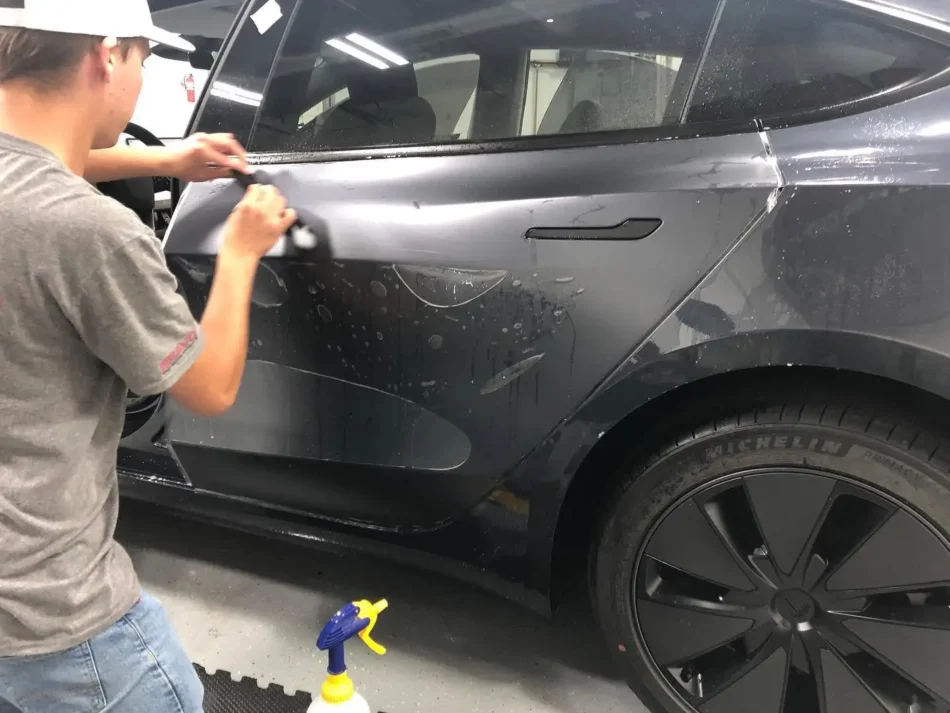
Every car owner eventually faces the same question: how do you keep a vehicle’s exterior looking new when the road throws everything from gravel to bird droppings at it? The honest answer is paint protection. It’s the layer of defense that shields your car’s clear coat from scratches, UV damage, and chemical stains, so the paint underneath stays vibrant for years instead of fading after a couple of seasons.
What Paint Protection Actually Means
People often assume a wax job or a trip through the car wash counts as enough. It doesn’t, not really. Wax sits on the surface and breaks down within weeks. Real paint protection works on a different level, bonding to the clear coat or adding a physical barrier that resists the daily wear most drivers never think about until it’s too late.
There are a few main types worth knowing. Ceramic coatings create a hard, glass-like layer that repels water and resists UV breakdown. Paint protection film (PPF) is a thicker, physical shield often applied to high-impact areas like the hood and bumper. Sealants fall somewhere in between, offering moderate protection at a lower cost. Each option serves a purpose, and the right choice depends on how the vehicle is driven and where it’s parked most often.
Why It Matters More Than Most Drivers Realize
Here’s something a lot of people overlook: a car’s paint is constantly under attack. Sun exposure breaks down pigment over time. Road salt in winter eats into unprotected metal. Bird droppings are acidic enough to etch the clear coat within hours if left untreated. None of this happens overnight, which is exactly why it’s so easy to ignore until the damage is visible.
Car paint protection isn’t just about looks, either, though that’s certainly part of it. A well-protected exterior holds its resale value better. Buyers notice when a used car still has a deep, glossy finish instead of dull, sun-faded panels. That difference can translate into real dollars when it’s time to sell or trade in.
There’s also a practical side that doesn’t get talked about enough. Scratches and minor chips left unprotected can lead to rust, especially in regions with harsh winters or coastal humidity. Once rust sets in, repairs get expensive fast. A protective layer acts as the first line of defense, catching the small stuff before it becomes a structural problem.
How Climate Plays a Role
Where someone lives genuinely shapes the kind of paint protection that makes sense. Drivers in sunbelt states deal with intense UV exposure almost year-round, which accelerates oxidation and fading. Coatings with strong UV resistance tend to make the most sense there. Meanwhile, drivers in colder states battle road salt and frequent freeze-thaw cycles, conditions that call for film or sealants built to handle chemical exposure.
This is part of why a generic, one-size-fits-all answer rarely works. A car parked outside in Arizona faces different stress than one driven through Minnesota winters. Paying attention to local conditions helps drivers choose protection that actually addresses their situation instead of just following a trend.
Getting the Most Out of Any Protective Layer
Even the best paint protection product needs proper upkeep to perform well. Regular washing with pH-balanced soap keeps the surface clean without stripping the protective layer. Avoiding automatic car washes with harsh brushes also helps, since those can introduce micro-scratches over time.
Reapplication schedules vary depending on the type of protection used. Sealants typically need refreshing every few months, while ceramic coatings can last several years with proper care. Film tends to be the most durable, often lasting five to ten years before it needs replacing. Knowing the maintenance schedule ahead of time helps drivers plan and budget accordingly, rather than being caught off guard.
Making an Informed Decision
Choosing the right car paint protection option comes down to budget, driving habits, and how long the car will be kept. Someone planning to sell within a couple of years might prioritize a simpler solution, while a long-term owner may find more value in a premium coating or film. Either way, understanding the tradeoffs makes the decision easier.
The Real Payoff Down the Road
A protected finish does more than look good in the driveway. It holds value, resists daily wear, and saves money on repairs that would otherwise creep up slowly. Paint protection isn’t a luxury reserved for show cars; it’s a practical step that rewards patience. The drivers who invest early are usually the ones who, years later, are glad they did.


