 WhatsApp Us Now
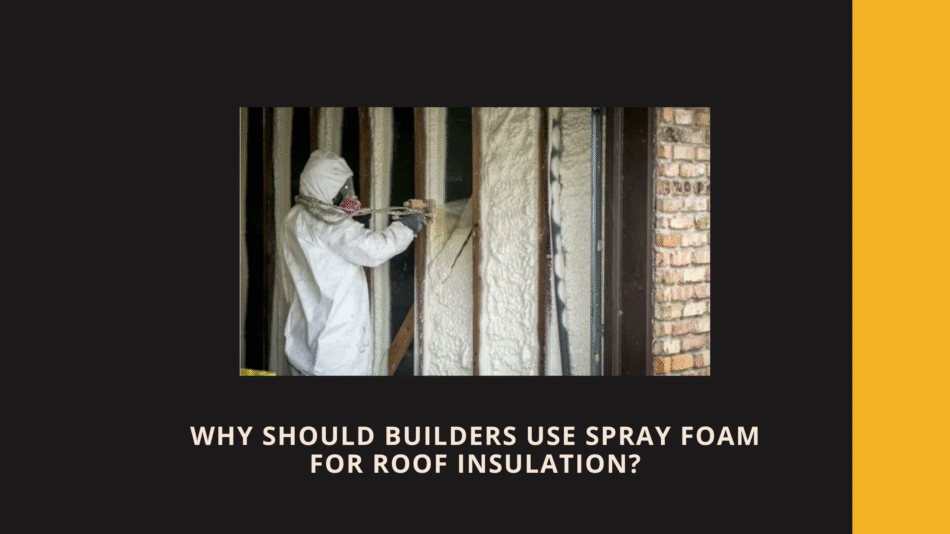
Roof insulation is a critical aspect of modern construction, impacting energy efficiency, structural durability, and overall comfort in both residential and commercial buildings. Among the various insulation materials available, spray foam has gained prominence due to its exceptional performance characteristics. Builders increasingly rely on spray foam to meet thermal, structural, and environmental requirements, making it a preferred choice in contemporary roofing projects.
NOTE :- Many industries turned to Spray Foam for Combo Roofing Insulation UAE to reduce energy consumption and maintain consistent indoor temperatures. Professional guidance ensured proper application. Connect with IP Harwal Polymer today to acquire top-grade Spray Foam for Combo Roofing Insulation UAE for effective and sustainable roofing solutions.
Understanding Spray Foam Insulation
Spray foam insulation is a polyurethane-based material that expands upon application, forming a continuous, airtight layer over the roof surface. This expansion allows it to fill gaps, cracks, and irregular surfaces, providing uniform coverage and eliminating the thermal bridges often found in traditional insulation materials.
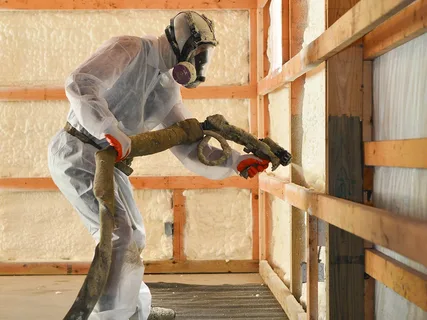
There are two primary types of spray foam: open-cell and closed-cell. Open-cell foam is lightweight and flexible, offering good thermal performance and sound absorption. Closed-cell foam is denser and provides superior insulation, moisture resistance, and structural reinforcement. Both types serve different purposes, enabling builders to select the appropriate foam for specific roofing applications.
Superior Thermal Performance
One of the main reasons builders choose spray foam for roof insulation is its exceptional thermal performance. Spray foam has a high R-value per inch, providing excellent resistance to heat transfer. By preventing heat loss in winter and heat gain in summer, spray foam helps maintain stable indoor temperatures and reduces the reliance on HVAC systems.
This efficiency translates into lower energy bills for building owners and supports sustainability initiatives. Buildings insulated with spray foam maintain comfort while consuming less energy, a feature increasingly valued in both residential and commercial projects.
Air Sealing and Moisture Protection
Spray foam insulation offers significant air-sealing benefits. Traditional insulation can leave gaps or compress over time, allowing air to infiltrate and compromise thermal efficiency. Spray foam, in contrast, forms a continuous barrier that prevents drafts, reduces heat loss, and improves overall building performance.
Closed-cell spray foam additionally provides moisture resistance. It protects roofing structures from water infiltration, preventing issues such as mold growth, wood rot, or structural damage. This makes it ideal for flat or low-slope roofs, where water accumulation can be a persistent concern.
Enhanced Structural Strength
Another advantage of spray foam is its ability to improve the structural integrity of roofing systems. Closed-cell foam adds rigidity to roof decks, helping them withstand wind uplift, heavy loads, and other environmental stresses. This structural reinforcement reduces maintenance needs and prolongs roof lifespan, providing long-term value for both builders and building owners.
Versatility and Adaptability
Spray foam is highly versatile, suitable for various roofing types, including flat, sloped, metal, and combination roofs. Its ability to conform to irregular surfaces ensures comprehensive coverage, making it effective for both new construction and retrofit projects. Builders can apply it to different roof geometries and thickness requirements, achieving optimal thermal performance and durability.
The flexibility of spray foam also allows customization of insulation properties. Builders can select foam densities and expansion rates to meet specific project needs, whether the priority is energy efficiency, structural reinforcement, or sound insulation.
Environmental and Economic Benefits
Modern spray foam formulations are designed with environmental considerations in mind, featuring low volatile organic compound (VOC) emissions. By reducing energy consumption, spray foam contributes to lower carbon footprints and aligns with green building certifications and sustainability goals.
Economically, spray foam delivers long-term cost savings. Its energy efficiency reduces utility bills, while its durability minimizes maintenance and replacement costs. This combination of environmental and economic benefits makes spray foam an attractive solution for builders seeking value and performance.
Ease of Installation
Spray foam can be applied quickly and efficiently using spray equipment, adhering directly to the roof substrate. Its ability to expand and fill voids reduces labor time and ensures consistent insulation performance across complex roof structures. This ease of installation improves project timelines and lowers overall labor costs, adding another advantage for builders.
Conclusion
Builders should consider spray foam for roof insulation due to its superior thermal performance, air-sealing capabilities, moisture resistance, structural reinforcement, and versatility. Its environmental benefits, long-term cost savings, and ease of application make it an ideal choice for modern construction projects.
Incorporating spray foam into roofing systems ensures energy efficiency, durability, and occupant comfort. With its combination of performance, reliability, and sustainability, spray foam has become a trusted solution for builders seeking high-quality insulation for residential, commercial, and industrial roofs.
For More Insightful Articles Related To This Topic, Feel Free To Visit: Thestarbiznews


