 WhatsApp Us Now
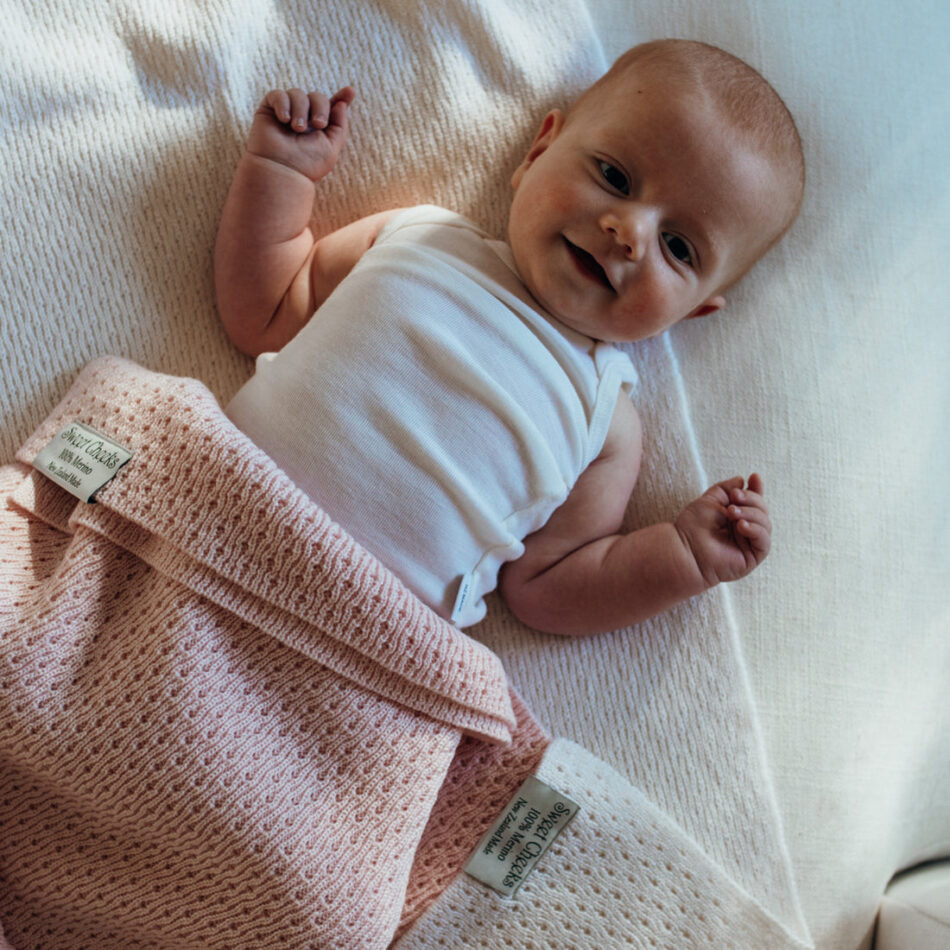
If you’ve ever bundled up your baby in a mountain of tiny jackets, socks, and hats, only to find them still fussy and chilly, you’re not alone. Most parents start out thinking more layers equal more warmth. But when it comes to newborns, regular clothing layers don’t always do the trick. That’s where infant thermals step in—a game changer for keeping your little one warm, comfortable, and happy.
The Problem With Regular Layers
Let’s be real. Newborns aren’t miniature adults who can regulate their body temperature with ease. Their tiny systems are still developing, and they lose heat much faster than we do. Now, the instinctive reaction most parents have? Pile on the clothes. A bodysuit, then a onesie, add pants, maybe socks, and oh—don’t forget that cardigan. It looks cozy, but here’s the catch: those thin cotton layers don’t actually trap warmth very well.
The result? Your baby ends up chilly under all that bulk. Or worse, they overheat because cotton doesn’t breathe properly when layered up. Either way, you’re stuck with a cranky baby and endless second-guessing about whether they’re too hot or too cold.
Why Infant Thermals Work Differently
Here’s the magic: thermals aren’t about adding more bulk. They’re about smart insulation. Think of them as your baby’s secret weapon against fluctuating temperatures. Infant thermals are designed to trap body heat close to the skin while still allowing moisture to escape. That means your baby stays warm without sweating and uncomfortable dampness.
It’s like the difference between stuffing your bed with a pile of thin sheets versus slipping under a fluffy quilt. Both cover you, but only one actually makes you feel warm and snug.
Everyday Comfort (Not Just Winter!)
Parents often assume thermals are only for freezing winters. Not true. Quality infant thermals keep babies comfortable in cool evenings, drafty houses, or when you’re out for a stroller walk on a breezy morning. They’re lightweight, flexible, and soft—so your baby can still wiggle, kick, and nap without restriction.
Plus, they make dressing simpler. Instead of three or four layers, you slip on a thermal base and add one outer layer if needed. Fewer layers mean fewer clothing battles, which every tired parent will appreciate.
A Quick Story Every Parent Knows
I remember one evening when my niece was just a few weeks old. My sister dressed her in three separate layers of cotton, yet she kept waking up fussing. We swapped everything for a simple thermal set, and like magic—she slept soundly for hours. Sometimes it really is about the fabric, not the quantity.
Choosing the Right Thermals for Your Baby
Not all thermals are created equal. The best options are made from natural fibers like merino wool, which is soft against sensitive skin, breathable, and incredibly effective at temperature regulation. Synthetic blends can work too, but they often don’t provide the same balance of warmth and breathability.
Look for:
- Flat seams to avoid irritation on delicate skin.
- Stretchy fabric so it moves with your baby’s wriggles.
- Easy-care materials because, well, babies are messy.
Peace of Mind for Parents
Here’s the honest truth: dressing newborns can feel like guesswork. Too cold? Too hot? Is that little nose turning red? Infant thermals take a lot of that worry away. With the right base layer, you can stop obsessively adjusting blankets and clothing. And that, in turn, means more calm for you and better rest for your little one.
So next time you’re tempted to stack on regular layers, remember: less can be more—if it’s the right fabric. Investing in high-quality thermals is one of those small parenting hacks that makes a big difference.
Because let’s face it: a warm, happy baby equals a much more relaxed household. And if you’re exploring natural, cozy options, check out merino wool clothing Australia brands—they’ve truly mastered the art of combining comfort with practicality for newborns.



