 WhatsApp Us Now
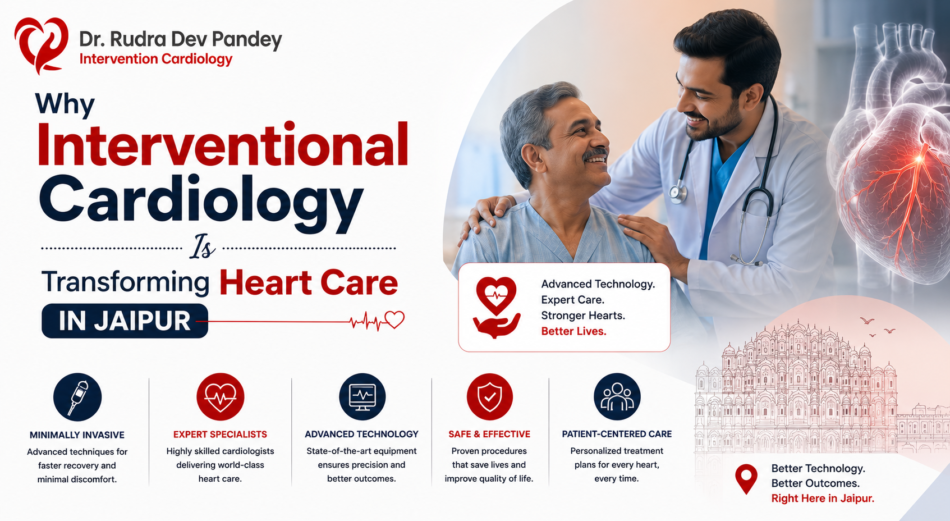
Heart disease has become one of the leading health concerns in modern society due to changing lifestyles, stress, diabetes, obesity, smoking, and lack of physical activity. Earlier, many serious heart conditions required major open-heart surgery and prolonged hospitalization, making treatment difficult for many patients. However, medical advancements in recent years have completely changed the way cardiovascular disease is diagnosed and treated. This is why more patients today are consulting an Interventional Cardiologist in Jaipur for advanced minimally invasive heart treatment and faster recovery.
Interventional cardiology focuses on catheter-based procedures used to diagnose and treat cardiovascular disease without the need for major surgery. These modern techniques help restore blood circulation, repair damaged blood vessels, and treat structural heart disorders with smaller incisions and reduced physical stress.
Today, interventional cardiology is transforming heart care by offering safer procedures, improved accuracy, and quicker patient recovery compared to traditional treatment methods.
Understanding Interventional Cardiology
Interventional cardiology uses thin flexible tubes called catheters to perform advanced heart procedures through blood vessels. These catheters are usually inserted through the wrist or groin and guided toward the heart using advanced imaging technology.
Modern interventional procedures can help treat:
- Coronary artery blockages
- Heart attacks
- Valve disorders
- Structural heart disease
- Blood circulation abnormalities
Unlike traditional open-heart surgery, these procedures are minimally invasive and generally involve shorter hospital stays and faster recovery periods.
Interventional cardiology has become especially beneficial for elderly patients and individuals with higher surgical risk.
Minimally Invasive Treatment Is Improving Recovery
One of the biggest reasons behind the growing popularity of interventional cardiology is the advantage of minimally invasive treatment.
Traditional cardiac surgery often required large incisions, longer hospitalization, and extended recovery periods. Modern catheter-based procedures significantly reduce physical trauma and improve patient comfort.
Patients undergoing minimally invasive treatment often experience:
- Faster recovery
- Reduced pain and discomfort
- Lower infection risk
- Shorter hospital stay
- Earlier return to normal activities
These advantages have greatly improved patient confidence and overall treatment experience.
According to Dr. Rudra Dev Pandey, minimally invasive cardiac procedures are helping patients recover more safely while improving long-term cardiovascular outcomes.
Emergency Heart Treatment Has Improved Significantly
Interventional cardiology has revolutionized emergency heart care, especially during heart attacks and severe coronary artery blockage.
Procedures such as emergency angioplasty allow doctors to restore blood flow quickly and reduce damage to the heart muscle during critical situations.
Rapid diagnosis and timely intervention significantly improve survival rates and reduce the risk of future complications such as heart failure or rhythm disorders.
Modern emergency cardiac care now focuses heavily on fast response and minimally invasive intervention to protect heart function as early as possible.
Advanced Technology Improves Treatment Precision
One of the biggest strengths of modern interventional cardiology is the use of advanced imaging and diagnostic technology.
Modern cardiac centers now use highly sophisticated systems such as digital angiography, intravascular ultrasound, echocardiography, and cardiac CT imaging to evaluate heart disease more accurately.
These technologies help specialists:
- Detect artery blockages early
- Assess blood circulation precisely
- Improve stent placement accuracy
- Evaluate valve function
- Reduce procedural complications
Improved imaging technology has significantly increased the success rate of minimally invasive heart procedures.
Complex Coronary Cases Can Now Be Treated More Effectively
Earlier, patients with severe artery calcification or multiple blockages often required major surgery because treatment options were limited.
Today, advanced interventional procedures allow doctors to manage highly complex coronary artery disease more effectively.
Patients requiring treatment for severe or difficult artery blockages often consult a Complex Angioplasty Specialist in Jaipur for advanced minimally invasive coronary interventions designed to improve blood flow and reduce cardiac risk.
Modern interventional technology has made it possible to treat many complicated coronary conditions with greater precision and improved patient recovery.
Interventional Cardiology Helps Manage Angina
Angina is one of the most common symptoms associated with reduced blood flow to the heart. Patients with angina often experience chest heaviness, pressure, discomfort, or pain during physical activity or stress.
If left untreated, angina may gradually worsen and increase the risk of severe heart attack or heart failure.
Patients seeking treatment from an experienced Angina Specialist in Jaipur often undergo advanced cardiac evaluation to identify blocked arteries and improve blood circulation through minimally invasive procedures.
Early diagnosis and timely treatment help reduce symptoms and improve overall heart function.
Preventive Cardiology Is Also Becoming Important
Interventional cardiology not only focuses on treatment but also emphasizes preventive heart care.
Doctors now encourage routine cardiac screening for individuals with:
- Diabetes
- High blood pressure
- Obesity
- Smoking habits
- Family history of heart disease
- Stressful lifestyles
Preventive evaluation helps identify hidden cardiovascular risks before severe complications occur.
Early diagnosis allows doctors to recommend lifestyle changes, medication, or interventional procedures when necessary to prevent long-term heart damage.
Structural Heart Treatments Are Expanding Rapidly
Modern interventional cardiology is also improving treatment for structural heart disorders such as valve disease and congenital heart abnormalities.
Advanced catheter-based procedures now allow many patients to avoid traditional open-heart surgery while still receiving highly effective treatment.
These innovations continue to improve patient safety, procedural success, and long-term quality of life.
Importance of Choosing the Right Cardiac Specialist
Successful interventional treatment depends heavily on accurate diagnosis, advanced technology, and specialized expertise.
Patients often prefer specialists experienced in:
- Advanced angioplasty
- Emergency heart procedures
- Structural heart treatment
- Preventive cardiology
- Complex coronary interventions
Choosing an experienced Interventional Cardiologist in Jaipur becomes especially important for patients with severe artery disease, recurrent chest pain, or multiple cardiovascular risk factors.
With expertise in advanced interventional cardiology and minimally invasive cardiac procedures, Dr. Rudra Dev Pandey focuses on comprehensive patient-centered cardiac care designed to improve treatment precision, recovery, and long-term heart health.
Conclusion
Interventional cardiology is transforming heart care by offering minimally invasive treatment, advanced imaging technology, faster recovery, and improved patient safety. Modern catheter-based procedures are helping patients receive effective cardiac treatment without the physical stress associated with traditional surgery.
Consulting an experienced Interventional Cardiologist in Jaipur for preventive evaluation and advanced heart treatment can help patients manage cardiovascular disease more effectively and improve long-term heart health. With ongoing advancements in minimally invasive cardiology, the future of heart care continues to become safer, faster, and more patient-friendly.


