 WhatsApp Us Now
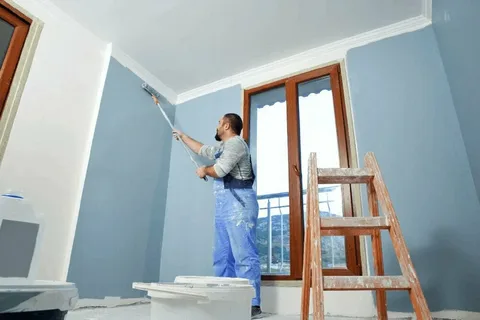
The Power of Paint in Home Transformation
When it comes to home improvement, few upgrades have as much immediate impact as a fresh coat of paint. Interior painting is more than just a cosmetic change—it has the ability to completely transform how a room feels, functions, and even how spacious it appears. Whether you’re refreshing a single room or redesigning your entire home, thoughtful painting choices bring new life to familiar spaces. Companies like Rockstar Painting understand that painting is not just about color—it’s about creating an environment that reflects personality, style, and comfort.
How Interior painting Influences Mood and Atmosphere
Color has a psychological effect that can set the tone for every room in your home. A soft blue can create calmness in a bedroom, while bright yellows add energy to kitchens or creative spaces. Earthy tones provide warmth and grounding, making living rooms feel cozy and welcoming. The strategic use of color through professional painting enhances mood and supports the intended function of each room.
Color Psychology in Action
- Warm tones like red, orange, and yellow create excitement and energy.
- Cool tones such as green, blue, and violet promote relaxation and peace.
- Neutral shades like gray, beige, and white offer versatility and timeless elegance.
By using these insights, interior painting becomes a design tool that aligns with lifestyle and emotional needs.
Increasing Property Value Through Painting
A well-done paint job is one of the most cost-effective ways to add value to a property. Buyers are naturally drawn to homes that look fresh, clean, and well-maintained. Interior painting enhances resale potential by signaling that a property is cared for and move-in ready. Neutral colors especially appeal to broader audiences, helping homeowners stand out in competitive real estate markets.
Cost-Effective Compared to Other Renovations
Unlike kitchen remodels or flooring installations, painting is affordable yet delivers high-impact results. It allows for an updated look without major construction, making it one of the smartest investments in home transformation.
The Role of Interior painting in Design Cohesion
Painting serves as the unifying thread in home design. It ties together furniture, flooring, lighting, and décor to create a cohesive look. Without carefully chosen paint colors, even the most stylish furniture or art can feel disconnected.
Highlighting Architectural Features
Interior painting also allows homeowners to highlight unique architectural features. Using accent walls, contrasting trims, or bold ceiling colors can draw attention to crown moldings, fireplaces, or alcoves, turning them into focal points.
Professional Painters vs. DIY Approaches
While many homeowners attempt painting as a do-it-yourself project, the results often lack the polish and durability of professional work. Interior painting requires surface preparation, the right materials, and precise application techniques. Professionals bring experience that prevents common mistakes such as streaking, uneven coverage, or premature fading.
Why Professional Experience Matters
- Surface preparation: Filling cracks, sanding, and priming for smooth finishes.
- Material expertise: Knowing which paints work best in high-moisture areas like bathrooms or kitchens.
- Efficiency: Professionals complete projects faster with less disruption.
Trusting a professional painter ensures results that not only look great but also last longer.
Creating Personalized Living Spaces
Painting is one of the simplest ways to personalize your home. A bold accent wall in a dining room, a soft pastel nursery, or a dramatic dark-toned study creates individuality and character. With the right guidance, homeowners can achieve designs that reflect both their personality and functional needs.
Following Modern Trends
Interior painting also evolves with design trends. In recent years, muted earthy tones, natural palettes, and deep jewel colors have gained popularity. Staying updated with these trends while balancing timeless choices ensures a home feels modern yet enduring.
Practical Benefits Beyond Aesthetics
While visual transformation is the most obvious benefit, interior painting offers practical advantages as well.
Protecting Walls and Surfaces
Paint acts as a protective barrier against moisture, dust, and wear. High-quality paints resist stains, making walls easier to clean and maintain. In high-traffic areas such as hallways or living rooms, durable finishes prevent long-term damage.
Improving Air Quality
Today’s paints are often low-VOC or zero-VOC, meaning they release fewer harmful chemicals. This contributes to better indoor air quality and a healthier home environment.
Choosing the Right Colors for Each Room
Different rooms serve different purposes, and paint should align with functionality.
- Living rooms: Neutral tones create versatility and allow décor to shine.
- Bedrooms: Soft blues, greens, or muted grays encourage relaxation.
- Kitchens: Warm neutrals or cheerful shades like yellow add energy.
- Home offices: Blues or greens enhance focus and productivity.
Making thoughtful choices ensures each room serves its purpose while contributing to overall home harmony.
Conclusion
Interior painting is more than decoration—it’s a transformative tool that changes the way a home looks, feels, and functions. From enhancing mood and highlighting design features to increasing property value and protecting surfaces, painting offers benefits that extend well beyond aesthetics. By working with experienced professionals, homeowners can achieve results that are not only beautiful but also long-lasting. Interior painting is the key to unlocking a home’s full potential, turning ordinary rooms into extraordinary spaces.
Frequently Asked Questions
How often should a home’s interior be repainted?
Most interiors need repainting every 5–7 years, though high-traffic areas may require touch-ups sooner.
Can paint really change the mood of a room?
Yes. Colors affect emotions and energy levels, influencing how a room feels and functions.
What finish is best for interior painting?
Flat finishes are great for low-traffic areas, while satin or semi-gloss finishes are better for kitchens, bathrooms, and hallways due to durability.
Is professional painting worth the cost?
Absolutely. Professionals ensure proper preparation, even application, and long-lasting results that DIY often can’t match.
What are the current trends in interior painting?
Popular trends include muted earth tones, natural palettes, and bold accent walls that create character and depth.


