 WhatsApp Us Now

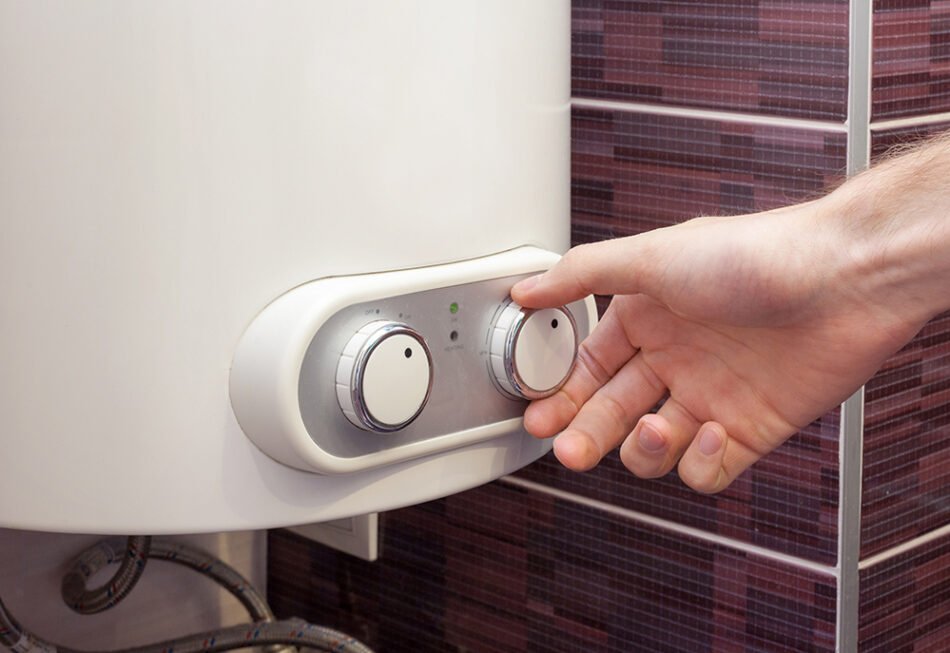
A water heater can appear simple from the outside: a tank or wall-mounted unit, a few pipes, and a temperature control. However, the equipment operates as part of a larger system. Water supply, pressure, energy connections, and, where applicable, combustion and venting all affect how it performs.
Choosing a water heater plumber New Jersey residents can hire involves more than finding someone who can replace a part. You need a professional who can assess the surrounding conditions, explain the cause of a problem, and take responsibility for the agreed work.
The value of proper qualifications becomes clearer when a job is less straightforward than it first appears. A puddle may have several possible sources. A replacement unit may need different connections. A recurring fault may involve something beyond the appliance itself. These situations require informed judgment.
A Visible Symptom Does Not Explain the Whole Problem
Water on the floor does not automatically mean that a storage tank has failed. Possible sources include nearby piping, a drain valve, a relief valve, or condensation. Manufacturer troubleshooting guidance distinguishes these conditions from a confirmed tank leak, which calls for replacement of the tank. Correct diagnosis affects whether repair or replacement makes sense.
When arranging a water heater repair service, ask how the technician will identify the fault and explain the proposed solution. Paying for a part without understanding why it failed can leave the original problem unresolved and lead to another visit.
Diagnosis Protects the Repair Budget
Imagine that a valve has been replaced, but the dripping soon returns. The next step should involve checking why the symptom continues. Repeating the same replacement without further investigation can increase costs without improving reliability.
A careful assessment separates what the technician has confirmed from what remains uncertain. That gives you a more useful basis for deciding whether to approve a repair, request additional investigation, or consider replacing the equipment.
Licensing Creates a Recognizable Line of Accountability
New Jersey regulates master plumbers through a state board. The board describes its role as protecting public health and safety, regulating plumbing practice, and investigating violations. Consumers can use the state’s verification system to check professional license information. This provides a formal way to identify the responsible professional.
Licensing does not mean every company communicates equally well or that no mistake can occur. You should still compare written estimates, relevant experience, and service practices. However, checking credentials gives you an essential starting point.
Ask who holds responsibility for your project and how that person relates to the business you contacted. If a crew member performs the work, clarify who supervises the job and handles technical concerns.
A Business Name Alone Is Not Enough
Advertisements usually emphasize the company name. Your agreement should also make the responsible professional identifiable.
This becomes especially useful when several people participate in the job. You should know whom to contact for an explanation, approval of a change, or a return visit. Clear accountability reduces the chance of being passed between people who each say someone else handled the work.
Safety Components Need More Than a Quick Fix
Some water heater parts serve a protective purpose that may not be obvious during everyday use. The temperature and pressure relief valve is one example. A discharge from that system deserves assessment of the cause.
Manufacturer guidance warns against capping or plugging the relief valve or its discharge pipe. It also explains that dripping can relate to pressure or thermal expansion, while a large discharge of hot water may indicate overheating. Blocking the outlet removes an essential protection.
A qualified professional should explain why a safety-related condition exists and what work addresses it. The goal should include resolving the cause, rather than making a visible symptom disappear.
The Surrounding System Matters
The appliance does not operate in isolation. A technician may need to assess the water supply, nearby connections, controls, and other conditions relevant to the model.
That broader view matters after repeated failures. If a component has already been changed, provide the invoice and explain what happened afterward. Previous work can offer useful evidence and help the plumber avoid starting the diagnosis from scratch.
Replacement Requires Planning Beyond Tank Size
Two units with a similar appearance may have different installation requirements. Physical dimensions, connection locations, access for service, and manufacturer instructions all affect the work.
A professional assessment should consider whether the proposed equipment fits the available space and can be connected appropriately. It should also address the property’s actual demand. An appliance that fits through the doorway still needs to serve the people using it.
For storage equipment, first-hour rating describes the amount of hot water a fully heated unit can supply over an hour. This helps distinguish storage capacity from delivery performance. Ask the installer to connect the proposed rating to your busiest period of use.
Changes in Daily Use Can Change the Recommendation
Perhaps the existing unit served two people when it was fitted, but five people now share the property. Alternatively, a bathroom renovation may have introduced a larger shower.
Those changes deserve attention before selecting another unit. Tell the plumber where the current system falls short and when that happens. Practical details help support a recommendation that goes beyond copying the old label.
Proper Project Management Helps Prevent Disputes
Many disappointing service experiences begin with different expectations. The customer assumes disposal is included. The contractor assumes someone else will arrange access. A necessary connection change appears only after work starts.
A written scope helps both sides understand the agreement. It should identify the work, equipment where relevant, exclusions, and the process for approving additional charges.
The same principle applies to permits and inspections. Ask the contractor to establish the requirements for the project and explain who handles the arrangements. If you need clarification, contact the local construction department.
Documentation Makes Follow-Up Easier
Keep the estimate, final invoice, equipment details, and any applicable inspection records together. Add photographs of the completed area if you wish.
These records can help during later servicing because they show what equipment was fitted and what work took place. They also provide a reference if a question arises about the agreed scope or warranty coverage.
Shortcuts Can Create Costs After the Visit
A lower initial quote may reflect a genuinely efficient approach. It may also leave important work outside the stated price. You cannot tell which applies until the contractor explains the scope.
Consider the cost of having someone return to resolve an overlooked connection, investigate an unchanged symptom, or clarify missing paperwork. These problems can consume time even when the original service seemed affordable.
Licensed status should therefore be one part of a broader hiring decision. Relevant experience, careful diagnosis, clear terms, and a dependable handover all contribute to the value you receive.
When evaluating Doctor Water Heater or another provider, ask for evidence supporting those qualities. Avoid relying entirely on broad claims about speed or expertise.
The Job Should End With Testing and an Explanation
Restored hot water is an important result, but you should also understand what work was completed. Ask the plumber to explain the repair or replacement and identify any remaining concerns.
For new equipment, request an introduction to the controls and the manufacturer’s maintenance guidance. Clarify whom to call if a problem appears and whether the company’s workmanship coverage differs from the equipment warranty.
Before the crew leaves, check that you have the invoice and relevant documents. If an inspection remains outstanding, confirm the next step and the person responsible for arranging it.
Choose Accountability Alongside Technical Skill
Hiring a properly qualified plumber gives your project an identifiable professional and a clearer route for checking credentials. The strongest choice combines that foundation with careful diagnosis, relevant experience, and a written agreement. Take time to understand the recommendation and its limits. Water heater work affects an appliance you rely on every day, so the decision should account for how the system will perform, how the work will be managed, and who will help if questions arise afterward.
Frequently Asked Questions
Does a license guarantee that the work will be perfect?
A license does not guarantee a flawless experience. Verify credentials, then assess relevant experience, written terms, communication, and aftercare. These checks work together when you compare potential contractors for the project.
Does every leak mean the whole heater needs replacement?
No. Water may come from connections, valves, condensation, or the tank itself. A professional should identify the source before recommending work, because the appropriate response depends on the confirmed cause.
Why should I keep the paperwork after the job?
Invoices, equipment details, warranty terms, and inspection records help explain what work occurred. They can support future servicing, simplify follow-up questions, and provide a reference if you need to discuss coverage.

