 WhatsApp Us Now
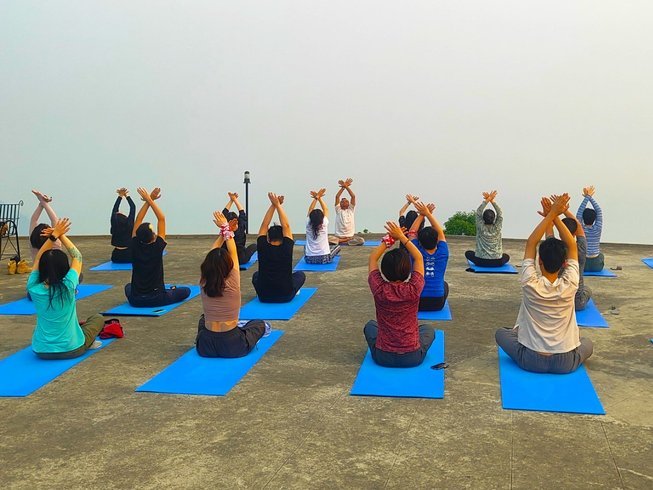
Bhakti Yoga offers a devotional approach to yoga that focuses on love, connection, mantra, meditation, chanting, and spiritual practice. Unlike approaches that primarily emphasize physical postures, Bhakti Yoga invites students to explore the emotional and philosophical dimensions of yoga. A Bhakti Yoga teacher training program can therefore appeal to both experienced yoga teachers and dedicated practitioners who want to deepen their understanding of this traditional path.
At Yandara Yoga Institute, Bhakti Yoga training can provide an immersive opportunity to explore devotional practices, mantra, kirtan, and yogic philosophy. But who is this type of training actually suitable for? Understanding the different types of students who may benefit can help you decide whether it fits your personal or professional goals.
Who Is Bhakti Yoga Teacher Training For?
Bhakti Yoga teacher training can be suitable for people with different backgrounds and motivations. You may be interested in teaching, personal growth, spiritual exploration, or simply learning more about the devotional traditions within yoga.
1. Experienced Yoga Teachers
Bhakti Yoga teacher training can be a valuable option for yoga instructors who want to expand their teaching knowledge beyond physical postures.
Teachers can explore practices such as mantra, chanting, meditation, kirtan, devotional rituals, and yogic philosophy. These subjects can provide additional tools for creating classes that incorporate reflection, mindfulness, and spiritual themes.
For instructors who already have a strong foundation in yoga, specialized Bhakti training can also introduce a different perspective on how yoga can be practiced and shared with students.
2. Dedicated Yoga Practitioners
You do not necessarily need to be planning a teaching career to study Bhakti Yoga.
People who already practice yoga and want to deepen their personal experience may be drawn to Bhakti Yoga because of its emphasis on devotion and self-reflection. Training can provide a structured environment for exploring practices that may not be part of a regular asana-focused routine.
Students may spend time learning mantras, participating in chanting, studying traditional teachings, and developing a more consistent personal practice.
3. People Interested in Mantra and Kirtan
If you are naturally interested in chanting, sacred music, or meditation through sound, Bhakti Yoga training may be especially relevant.
Mantra and kirtan are important elements of many Bhakti traditions. Students can learn how chanting is used as a contemplative and devotional practice while becoming familiar with different styles of participation.
You do not necessarily need to consider yourself a musician. A willingness to explore sound, rhythm, and group chanting can be enough to begin developing an appreciation for these practices.
4. Students Interested in Yoga Philosophy
Bhakti Yoga is more than chanting and music. Its traditions are connected to broader philosophical ideas about devotion, consciousness, relationships, and spiritual practice.
Students who enjoy learning about the philosophical side of yoga may appreciate opportunities to study traditional teachings, stories, texts, and devotional traditions.
This type of learning can help provide context for the practices themselves and encourage students to consider how philosophical ideas can influence their everyday lives.
5. Meditation and Wellness Practitioners
Meditation teachers and wellness practitioners may also find Bhakti Yoga training useful for broadening their knowledge.
Mantra and devotional meditation can introduce different approaches to concentration and contemplative practice. Learning these methods may complement an existing meditation background and provide additional techniques to explore with appropriate students.
However, practitioners should always work within their training and professional scope and avoid presenting spiritual practices as medical or psychological treatment.
6. People Seeking Personal and Spiritual Growth
Bhakti Yoga may appeal to people who are looking for a more reflective approach to personal development.
The practice encourages students to explore qualities such as gratitude, compassion, devotion, humility, and connection. Through meditation, chanting, study, and self-reflection, students can create space to examine their values and relationship with their own spiritual practice.
You do not need to have a specific religious background to be interested in Bhakti Yoga. However, it is important to approach its traditions respectfully and with an openness to learning about their cultural and philosophical context.
7. Students Who Enjoy Community-Based Learning
Bhakti practices are often experienced collectively, particularly through kirtan and group chanting. Because of this, people who enjoy learning and practicing within a community may find this style of training appealing.
Group sessions can provide opportunities to participate in chanting, discussions, meditation, and shared learning. Being around other practitioners can also create opportunities to exchange perspectives and learn from different experiences.
For many students, the community aspect can become an important part of the overall training experience.
What Should You Look for in a Bhakti Yoga Teacher Training Program?
Before enrolling, consider whether the program matches your goals and expectations. Look at the curriculum, instructor experience, course format, duration, and any prerequisites.
A comprehensive program may include:
- Bhakti Yoga philosophy and history
- Mantra and chanting
- Kirtan practices
- Meditation
- Devotional practices
- Yogic texts and traditional teachings
- Practical teaching methods
- Opportunities for personal practice
If you want to use the training professionally, also check what certification you receive and how it fits with your existing yoga qualifications.
It is helpful to choose a program that balances theoretical learning with practical experience. This can give you a stronger understanding of both the traditions and the methods used to share them with others.
Do You Need to Be a Yoga Teacher?
Not necessarily. The requirements depend on the specific program.
Some Bhakti Yoga courses are designed as specialized education for existing yoga teachers, while others may welcome dedicated practitioners who simply want to explore the tradition more deeply.
If your goal is to use the training toward an advanced teaching certification, check the program’s prerequisites carefully. For example, the training offered by Yandara may have specific requirements depending on whether you are attending the Bhakti module for personal enrichment or applying it toward a broader teacher-training pathway.
Frequently Asked Questions
Who is Bhakti Yoga teacher training best suited for?
It can be suitable for yoga teachers, dedicated practitioners, meditation students, and people interested in mantra, chanting, spiritual practice, and yogic philosophy.
Do I need previous yoga experience?
Requirements vary between programs. Some advanced teacher-training courses may require previous yoga teacher training, while other Bhakti-focused courses may have more flexible entry requirements.
Do I need to know how to sing to practice Bhakti Yoga?
No. While chanting and kirtan can be important components, professional singing ability is not generally required. Participation and willingness to learn are more important.
Can Bhakti Yoga training help me become a yoga teacher?
Some programs can contribute to specialized teacher education, while others are designed primarily for personal development. Check the specific certification and prerequisites before enrolling.
What can I learn during Bhakti Yoga training?
Depending on the program, you may study mantra, kirtan, meditation, devotional practices, yogic philosophy, traditional teachings, and methods for incorporating these practices into your personal or teaching journey.
Is Bhakti Yoga Teacher Training Right for You?
A Bhakti Yoga teacher training program can be an opportunity to explore a different dimension of yoga through devotion, mantra, meditation, chanting, philosophy, and community practice.
It may be particularly relevant if you are a yoga teacher looking to expand your knowledge, a practitioner seeking deeper personal practice, or someone naturally drawn to devotional and contemplative traditions.
Before enrolling, consider your experience, goals, preferred learning environment, and the curriculum offered by the training provider. Choosing a program that matches these factors can help you make the most of your Bhakti Yoga learning journey.


