 WhatsApp Us Now
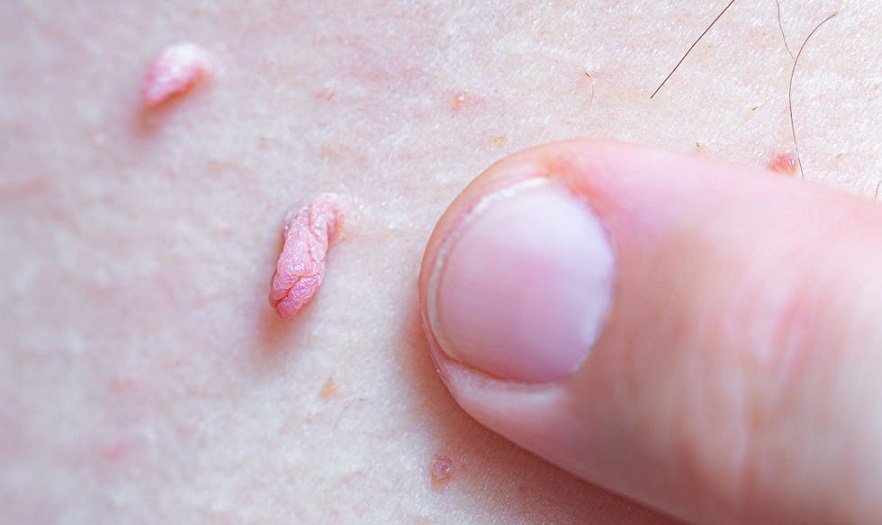
Skin tags are small, soft, harmless growths that commonly appear where skin rubs against skin or clothing. Although they are usually benign, they can become irritating, catch on jewelry, or affect a person’s confidence because of their appearance. Skin Tag Removal in Dubai (إزالة الزوائد الجلدية في دبي) can be considered by adults who want unwanted skin tags professionally assessed and removed. However, not every skin growth should automatically be treated as a skin tag. Understanding who is a suitable candidate, how removal works, and when professional assessment is important can help people make informed decisions.
Learn about Skin Tag Removal in Dubai, its benefits, cost, and results. Book your consultation today!
What Is Skin Tag Removal And How Does It Work?
Skin tag removal refers to procedures designed to eliminate unwanted skin tags from the surface of the skin. Skin tags are typically flesh-colored or slightly darker, soft, and attached to the skin by a narrow stalk. They commonly develop around the neck, underarms, eyelids, groin, beneath the breasts, and other areas exposed to repeated friction.
A professional assessment is important before treatment because some other skin lesions can resemble skin tags. Once the growth has been identified as suitable for removal, the appropriate technique can be selected according to its size, position, number, and characteristics.
Why Is Professional Assessment Important?
Professional assessment can help determine whether removal is appropriate and whether the growth has features that require further evaluation. It may also help identify factors that could affect healing.
Suitable candidates often include people who:
- Have clearly identified benign skin tags.
- Experience irritation from clothing, shaving, jewelry, or movement.
- Dislike the appearance of visible skin tags.
- Have skin tags in areas where friction is frequent.
- Want removal for cosmetic or practical reasons.
- Have realistic expectations about healing and results.
- Are willing to follow aftercare instructions.
The objective is not simply to remove a growth but to select a suitable approach while prioritizing skin health and proper healing.
Types Of Treatment:
Different removal methods may be used depending on the individual skin tag. The most suitable technique can vary according to size, location, attachment, and the surrounding skin.
Common Removal Approaches:
Snip Removal: A small skin tag may be carefully removed using a precise cutting technique. This approach is commonly considered for suitable small or protruding growths.
Electrocautery: Controlled heat may be used to remove or treat the tissue. It can be useful for certain skin tags and may help control minor bleeding.
Cryotherapy: Freezing can destroy the targeted tissue so that the treated growth gradually disappears. This technique may be considered for selected lesions.
Other Targeted Techniques: Depending on the circumstances, an appropriate method may be chosen after examining the growth and surrounding skin.
The goal of Skin Tag Removal (إزالة الزوائد الجلدية) is to address the unwanted growth while minimizing unnecessary trauma to nearby tissue. A suitable method should always be selected according to individual circumstances rather than assuming that one technique is ideal for everyone.
Preparation And Aftercare:
Good preparation and aftercare can contribute to a smoother treatment experience. Before removal, individuals should provide relevant information about their skin, previous reactions, current medications, and any history of problematic healing when discussing treatment suitability.
Before Treatment:
Preparation may include:
- Keeping the treatment area clean.
- Avoiding unnecessary irritation or aggressive exfoliation.
- Discussing relevant skin concerns during assessment.
- Following any specific pre-treatment instructions.
- Informing the practitioner about products or medications that may affect the skin.
After Treatment:
Aftercare depends on the technique used and the treated area. General guidance may include keeping the area clean, avoiding unnecessary rubbing, protecting healing skin, and following specific instructions. Temporary redness, tenderness, swelling, scabbing, or changes in pigmentation can occur after some removal methods. Healing time varies according to the treatment technique and individual skin response. People should avoid picking at scabs or repeatedly touching the treated area because unnecessary interference may delay healing.
Ideal Candidate:
The ideal candidate is generally someone with a skin growth that has been properly assessed as a skin tag and who wants removal because of irritation, appearance, inconvenience, or personal preference.
Who May Benefit Most?
A suitable candidate may include someone who:
- Has one or several confirmed skin tags.
- Experiences repeated friction or irritation.
- Finds a skin tag bothersome while shaving or dressing.
- Feels self-conscious about visible growths.
- Wants a convenient solution for unwanted benign lesions.
- Understands that removal does not necessarily prevent new skin tags from developing.
- Has realistic expectations about healing and possible temporary skin changes.
Who May Need Additional Assessment?
Extra caution may be appropriate when a growth is rapidly changing, bleeding without obvious irritation, painful, unusually colored, irregular, or different from typical skin tags.
People with active skin infections, significant irritation, or certain healing concerns may also require individualized assessment before treatment. The priority should always be confirming that the growth is appropriate for removal and determining whether any additional evaluation is necessary.
How To Choose The Right Clinic:
Choosing an appropriate setting for skin tag removal involves more than looking for a convenient location. The quality of assessment, hygiene standards, treatment options, practitioner experience, and aftercare guidance can all matter.
What Should You Look For?
Consider the following:
- Clear assessment before treatment.
- Appropriate hygiene and infection-control practices.
- Properly explained treatment options.
- Experience with different types and locations of skin tags.
- Realistic discussion of expected healing.
- Clear aftercare instructions.
- A willingness to address questions and concerns.
- Appropriate referral or further evaluation when a growth does not appear typical.
People searching for the Best Skin Tag Removal Dubai (أفضل إزالة الزوائد الجلدية دبي) should focus on safety, suitability, transparent communication, and individualized treatment rather than choosing based solely on promotional claims.
Benefits:
When appropriately performed on a confirmed skin tag, removal can offer several practical and cosmetic benefits.
Potential Advantages:
- Reduces irritation caused by friction.
- Makes shaving or grooming easier in affected areas.
- Removes unwanted visible growths.
- Can improve confidence when skin tags are noticeable.
- May make certain areas feel smoother.
- Can provide a convenient solution for bothersome lesions.
- Allows treatment to be tailored to the size and location of the growth.
However, removal does not guarantee that new skin tags will never appear. Skin tags can develop again or occur in other areas because treatment addresses existing growths rather than necessarily eliminating the tendency to develop them.
FAQs:
Are Skin Tags Safe To Remove?
Yes, confirmed benign skin tags can generally be removed safely using an appropriate professional technique.
Can Anyone Have A Skin Tag Removed?
Not everyone is automatically suitable. The growth should first be assessed to confirm that it is a skin tag.
Is Skin Tag Removal Painful?
Discomfort varies depending on the removal technique, location, and individual sensitivity. Measures may be used to improve comfort.
Can Skin Tags Come Back After Removal?
The treated skin tag is generally removed, but new skin tags may develop in the same or other areas over time.
Should I Remove A Skin Tag At Home?
Home removal can cause bleeding, infection, scarring, and skin damage. Professional assessment and removal are safer options.
When Should A Skin Tag Be Checked?
Seek assessment if a growth changes quickly, bleeds unexpectedly, becomes painful, or develops unusual color or shape.
Conclusion:
A good candidate for skin tag removal is generally someone with a confirmed benign skin tag who wants to address irritation, inconvenience, or cosmetic concerns and understands the expected treatment and healing process. Professional assessment is especially important when a growth looks unusual or has recently changed. By choosing an appropriate treatment approach and following aftercare instructions, individuals can work toward smoother-looking skin while prioritizing safety. For those considering Skin Tag Removal in Dubai (إزالة الزوائد الجلدية في دبي), understanding candidacy and selecting an appropriate treatment setting are essential steps toward an informed decision.


