 WhatsApp Us Now
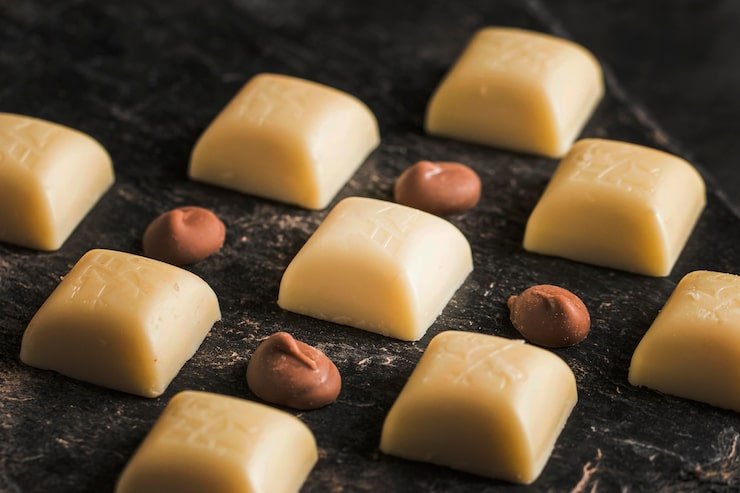
White chocolate continues to develop as a versatile confectionery product used across desserts, bakery products, beverages, snacks, and specialty formulations. Its creamy texture and sweet flavor make it popular among consumers seeking an alternative to darker chocolate varieties, while manufacturers are introducing new flavors, formats, and ingredient combinations to appeal to changing preferences. According to MarkNtel Advisors, product innovation, expanding foodservice applications, online retail, and interest in alternative formulations are among the factors influencing the category.
Food and Beverage Applications Remain Central
Food and beverage applications represent the primary use of white chocolate. It is incorporated into cakes, pastries, cookies, mousses, desserts, ice cream, confectionery products, and specialty beverages.
Its neutral color and creamy profile also make it suitable for pairing with fruits, nuts, caramel, coffee, spices, and flavored inclusions. This versatility allows manufacturers and foodservice businesses to create seasonal and premium products for different consumer occasions.
Premium Products Attract Consumers
Premiumization is becoming an important factor in confectionery purchasing. Consumers are increasingly interested in products featuring distinctive ingredients, attractive presentation, unusual flavor combinations, and higher-quality positioning.
White chocolate is particularly suited to premium applications because its mild flavor can be combined with ingredients such as pistachio, berries, caramel, vanilla, and exotic spices. Boutique chocolatiers and premium confectionery brands are using these combinations to differentiate their products.
Flavor Innovation Broadens Product Choices
Manufacturers are moving beyond conventional white chocolate through flavored and filled products. Fruit, nuts, spices, caramel, coffee, and cereal inclusions can create different sensory experiences while maintaining the creamy characteristics associated with white chocolate.
Seasonal launches are another important approach. Limited-edition products can create urgency around occasions such as holidays, Valentine’s Day, Easter, and other gifting periods while allowing brands to test new flavor concepts.
Alternative Ingredients Gain Attention
Changing dietary preferences are encouraging manufacturers to explore dairy-free, plant-based, reduced-sugar, and other alternative formulations. Oat, almond, coconut, and other plant-based ingredients can be used to develop products for consumers who avoid conventional dairy.
This innovation is also relevant to consumers looking for cleaner ingredient profiles or products aligned with particular dietary preferences. However, manufacturers must maintain the smooth texture, sweetness, melting behavior, and appearance expected from white chocolate.
Cocoa Butter Remains an Important Ingredient
Cocoa butter plays a central role in chocolate manufacturing and is particularly important for achieving the characteristic texture and melting behavior associated with quality chocolate products. The International Cocoa Organization notes that cocoa butter is one of the major ingredients used in chocolate manufacturing and is also widely used in cosmetics such as moisturizing creams and soaps.
This creates an important connection between confectionery and personal-care applications, where cocoa-derived ingredients can serve different functional purposes.
Sustainable Sourcing Gains Importance
Sustainability is becoming increasingly relevant throughout the cocoa supply chain. Chocolate companies and consumers are paying greater attention to traceability, farmer livelihoods, deforestation, labor practices, and environmental impacts.
The International Cocoa Organization highlights economic, social, and environmental sustainability as key elements of a sustainable cocoa economy. These considerations are encouraging businesses to strengthen sourcing practices and improve transparency across supply chains.
E-Commerce Expands Accessibility
Online retail is providing chocolate brands with additional opportunities to reach consumers directly. E-commerce platforms allow specialty producers to sell premium bars, gift boxes, seasonal products, and customized assortments beyond their traditional geographic markets.
Digital channels are particularly useful for smaller chocolatiers because they can establish direct relationships with consumers without depending entirely on physical retail distribution. Social media can also support product discovery through visually appealing chocolate recipes, product demonstrations, and influencer-led promotions.
Packaging Innovation Supports Premium Positioning
Packaging plays an important role in white chocolate, particularly for premium and gifting products. Attractive boxes, resealable formats, individually wrapped pieces, and environmentally conscious materials can improve convenience and strengthen brand presentation.
Manufacturers are increasingly exploring packaging solutions that balance product protection, visual appeal, portability, and sustainability. Effective packaging is especially important because chocolate can be sensitive to temperature, moisture, and handling conditions.
Supply Chain Challenges Remain
White chocolate producers remain exposed to fluctuations in cocoa-derived ingredient availability, dairy inputs, sugar, energy, packaging materials, and transportation costs. Weather conditions and crop diseases in cocoa-producing regions can also affect raw-material supply.
The International Cocoa Organization’s latest 2026 statistics continue to monitor changes in global cocoa production, grindings, and stocks, highlighting the importance of supply conditions for chocolate manufacturers.
Product Development Strengthens Competition
Competition is increasingly focused on innovation rather than conventional product offerings alone. Established confectionery companies and smaller specialty brands are introducing new flavors, plant-based alternatives, premium assortments, seasonal products, and convenient formats.
Foodservice businesses are also using white chocolate in beverages, desserts, pastries, and plated dishes, creating additional opportunities for product experimentation and consumer engagement.
Conclusion
White chocolate is evolving through premiumization, flavor experimentation, alternative ingredients, sustainable sourcing, digital commerce, and expanding foodservice applications. Its creamy profile and versatility allow manufacturers to combine it with diverse ingredients while creating products for everyday consumption, gifting, and specialty occasions.
As companies continue improving formulations, sourcing, packaging, and distribution, innovation and responsible supply-chain practices will remain important for strengthening white chocolate’s position across global confectionery and food applications.


