 WhatsApp Us Now

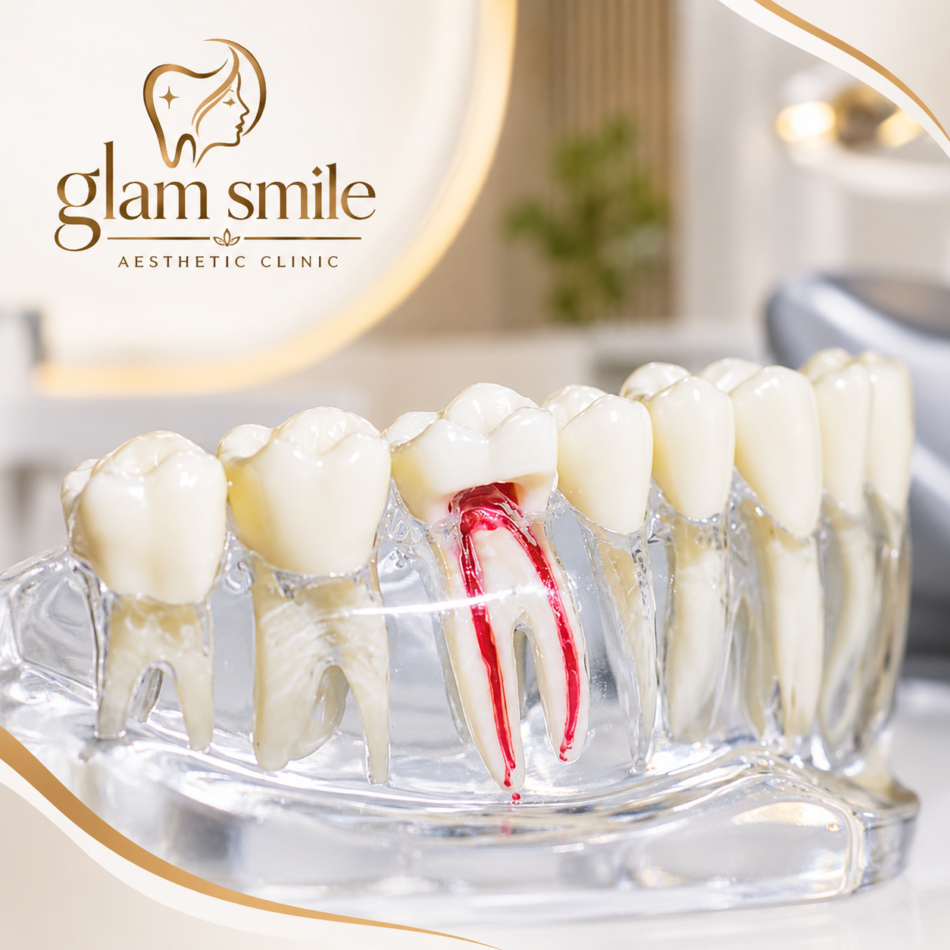
A root canal treatment can help relieve severe tooth pain, treat infection, and save a natural tooth from extraction. However, many patients have questions about what happens after the procedure, especially when they can eat their favorite foods again without discomfort.Knowing what to eat and what to avoid after treatment can protect your tooth while it heals and help prevent unnecessary complications. Your eating routine may depend on the condition of your tooth, the type of restoration used, and whether your dentist has placed a temporary or permanent filling.If you are considering Root Canal Treatment in Islamabad, understanding the recovery process can help you feel more confident about your dental care and make better decisions after your appointment.In most cases, you can return to your usual diet gradually once your dentist confirms that your tooth is adequately restored and any numbness has worn off.
When Can You Eat Normally After a Root Canal?
Most patients can eat soft foods a few hours after a root canal, provided the numbness has worn off and their dentist has not given different instructions. However, eating normally may take longer if the tooth has a temporary filling or requires a permanent crowA root canal removes infected or inflamed tissue from inside the tooth, but the surrounding tissues may remain sensitive for several days. Your tooth may also be structurally weaker than before, particularly if extensive decay or damage was present.
Why Should You Be Careful About Eating After a Root Canal?
Even though a root canal treats the inside of a tooth, the tooth may remain vulnerable until the final restoration is completed.
Protecting the Treated Tooth
A tooth that has undergone root canal treatment may have significant structural damage from decay, cracks, or previous dental procedures. Chewing hard foods too soon can increase the risk of a fracture, especially if the tooth has not yet received a recommended crown.
Preventing Accidental Injury
Local anesthesia can leave your lips, cheeks, and tongue numb for several hours. Eating during this period increases the risk of accidentally biting soft tissues or burning your mouth with hot food.
Supporting Comfortable Recovery
Mild tenderness when biting is common after treatment. Eating soft foods can reduce pressure on the treated tooth while the surrounding tissues settle.
What Can You Eat After a Root Canal?
Choosing suitable foods can make recovery more comfortable without compromising your nutrition.
Foods to Reintroduce Gradually
As tenderness improves, you may gradually return to foods such as soft bread, tender chicken, cooked rice, and other meals that require moderate chewing.Avoid testing the treated tooth with hard foods simply because the pain has disappeared. The absence of pain does not necessarily mean the tooth is ready to withstand normal chewing forces.
What Foods Should You Avoid After a Root Canal?
Some foods can place excessive pressure on a recently treated tooth or damage a temporary restoration.
Hard and Crunchy Foods
Avoid ice, hard candies, nuts, popcorn kernels, and very crunchy snacks, particularly when chewing with the treated tooth.
Sticky and Chewy Foods
Caramel, chewing gum, toffee, and similarly sticky foods can pull at a temporary filling or place unnecessary stress on the tooth.
Very Hot or Cold Foods
If your tooth or surrounding tissues are sensitive, extremely hot or cold foods may cause discomfort. Choose moderate temperatures until sensitivity improves.
Sugary Foods and Drinks
Frequent sugar consumption can contribute to decay in other teeth and around vulnerable restoration margins. Maintain good oral hygiene and limit sugary snacks during recovery.
How Does Root Canal Treatment Work?
A root canal is a dental procedure designed to remove infected or inflamed pulp from inside a tooth. The dentist cleans and disinfects the internal canals before sealing them to help prevent further infection.
Who Is Suitable for Root Canal Treatment?
Root canal treatment may be recommended for patients whose tooth pulp is irreversibly inflamed, infected, or damaged but whose tooth can still be restored.Common causes include deep tooth decay, cracks, dental trauma, and repeated dental procedures.A dentist will assess the tooth’s structure, surrounding bone, gum health, and overall prognosis before recommending treatment. In some cases, extraction or another approach may be more appropriate.Patients seeking Root Canal Treatment in Islamabad should choose a qualified dental professional who can explain the available options and recommend a treatment plan based on their needs.
What Are the Risks After a Root Canal?
Root canal treatment is generally successful, but some temporary symptoms and complications are possible.
Common Temporary Symptoms
Mild tenderness, soreness when biting, or sensitivity around the treated tooth may occur for several days. These symptoms should generally improve over time.
Possible Complications
Less common complications include persistent infection, a missed canal, damage to the tooth, or a fracture. A temporary filling may also become loose or fall out.Contact your dentist if pain worsens, swelling develops, your bite feels uneven, or symptoms fail to improve. Facial swelling, fever, difficulty swallowing, or difficulty breathing require urgent medical or dental assessment, with breathing or swallowing difficulties warranting emergency care.Follow your dentist’s instructions about pain relief, oral hygiene, and follow-up appointments.
Why Choose Glam Smile Clinic for Root Canal Treatment?
Choosing a dental clinic with appropriate expertise and modern diagnostic facilities can help you understand your treatment options and recovery requirements.At Glam Smile Clinic, patients can discuss their dental concerns, receive an assessment, and learn about suitable treatment and restoration options. Your dentist can also provide personalized advice about when to resume normal eating and whether your tooth needs a protective crown.Following professional guidance and attending recommended follow-up visits can help support a successful outcome.
Frequently Asked Questions
Can I eat immediately after a root canal?
You can usually eat soft foods once the numbness has completely worn off, unless your dentist advises otherwise. Avoid chewing on the treated tooth if it has a temporary filling.
Can I eat rice after a root canal?
Yes. Soft, well-cooked rice is generally suitable after the numbness wears off. Chew carefully and avoid putting unnecessary pressure on the treated tooth.
How long should I avoid hard foods?
Avoid hard foods until your tooth has been adequately restored and your dentist confirms that normal chewing is safe. This may take longer if you need a permanent crown.
Why does my tooth hurt when I chew after a root canal?
Mild tenderness can occur because the tissues surrounding the tooth may remain inflamed. If pain is severe, worsening, or persistent, contact your dentist for an examination.
Can I eat normally after getting a permanent crown?
Most patients can gradually return to their normal diet once the permanent crown has been fitted and your dentist confirms that it is safe to chew. Avoid very hard foods that could damage the crown.
Conclusion
Most patients can begin eating soft foods a few hours after a root canal, once the effects of local anesthesia have worn off. Returning to a normal diet depends on your comfort, the condition of your tooth, and whether a permanent restoration has been completed.Avoid hard and sticky foods while your tooth is vulnerable, follow your dentist’s aftercare instructions, and seek advice if pain or swelling worsens. For personalized guidance and dental care, consult Glam Smile Clinic to discuss your treatment and recovery needs.


