 WhatsApp Us Now
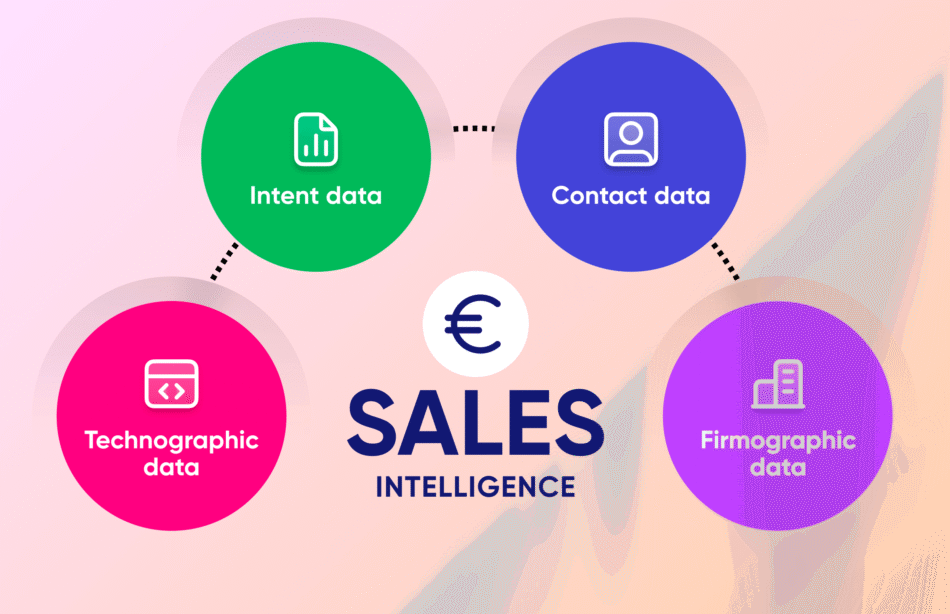
What Types of Business Data Does Multidata Hub Provide? This is an important question for businesses that depend on accurate information to identify potential customers, research markets, and improve B2B sales and marketing activities. Business data is broader than a list of names and email addresses. It can include information about organizations, professional roles, industries, locations, company characteristics, and other details that help teams understand potential accounts.
What Types of Business Data Does Multidata Hub Provide? The practical answer depends on the specific records and fields available through the platform at the time of use. In a B2B context, business data commonly covers company information, professional contact information, industry classifications, geographic details, and other attributes that can support prospecting and market research. Businesses should evaluate the fields they actually need and verify important information before using it for campaigns or sales activity.
What Is B2B Business Data?
B2B business data refers to information about organizations and the professionals who work within them. Unlike consumer data, which generally focuses on individuals as customers, B2B data is primarily used to understand businesses and their commercial relationships.
A B2B record may contain information such as:
- Company name
- Business website
- Industry
- Location
- Company size
- Professional name
- Job title
- Department
- Business contact information
- Other company characteristics
The usefulness of this information depends on its accuracy, relevance, completeness, and freshness.
Company Data
Company data forms the foundation of many B2B prospecting activities.
Company Names and Basic Information
Knowing the organization behind a prospect helps sales and marketing teams organize their research.
Company-level information may help businesses identify potential accounts and distinguish between organizations operating in similar industries or geographic areas.
For example, a software company targeting manufacturers can use company information to build an initial list of businesses for further research.
Company Websites
A company website can provide an important starting point for account research.
Sales representatives can use a business website to understand what an organization sells, which markets it serves, and what products or services it offers.
This information can then be combined with other research before outreach.
Professional Contact Data
Another important category is information about professionals associated with businesses.
Names and Job Titles
Names and job titles can help sales teams determine who may be relevant to a particular product or service.
For example, a company selling accounting software may research finance-related professionals. A cybersecurity provider may focus on IT or information security roles.
The correct contact depends on the organization’s structure and the type of purchase involved.
Department Information
Department-level information can make prospecting more specific.
Instead of approaching everyone within an organization, a sales team can focus on departments likely to have an interest in its solution.
This can reduce irrelevant outreach and help representatives prepare more suitable messages.
Business Contact Information
B2B data may also include business contact details used for professional communication.
Depending on the available record, these may include business email addresses, telephone information, or other professional contact fields.
Contact information is most useful when it is accurate and associated with the correct organization and professional role.
Because business contacts change over time, companies should verify important records before launching large campaigns.
Industry Data
Industry information helps businesses group organizations according to their commercial activities.
For example, companies may classify prospects into areas such as:
- Manufacturing
- Information technology
- Financial services
- Healthcare
- Retail
- Construction
- Logistics
- Professional services
Industry data can support both prospecting and marketing segmentation.
Why Industry Classification Matters
Different industries often have different operating environments and purchasing requirements.
A company selling inventory management software may use different messaging for retailers than for industrial manufacturers.
Industry classification provides a starting point for creating more relevant campaigns.
Geographic and Location Data
Location information can be valuable for businesses operating within specific territories.
Geographic data may include a company’s country, region, city, or other location information, depending on the available records.
Supporting Territory Planning
Sales managers can use location information to divide accounts among representatives.
For example, a company with regional sales teams may organize prospects by geographic territory.
Supporting Market Expansion
Location data can also help businesses investigate new markets.
A company planning to enter a new region can research organizations operating there and compare the potential customer base with its existing market.
Company Size Data
Company size can be another useful business attribute.
Businesses may use employee count, revenue information where available, or other indicators to distinguish between smaller organizations, mid-market companies, and larger enterprises.
Company size can influence purchasing processes, budgets, technology requirements, and decision-making structures.
For example, an enterprise software provider may prioritize larger organizations, while a low-cost SaaS product may focus on smaller businesses.
Business Classification and Firmographic Data
Firmographic data describes characteristics of a business in much the same way demographic data describes characteristics of individuals.
Common firmographic attributes include:
- Industry
- Company size
- Location
- Business type
- Revenue range
- Growth characteristics
- Organizational structure
Not every B2B database contains all of these fields, so businesses should confirm which attributes are actually available.
Firmographic information can be particularly useful for segmentation and account prioritization.
Decision-Maker and Role-Based Data
B2B purchases can involve multiple stakeholders.
A company may have one person who identifies a problem, another who evaluates solutions, and another who approves the purchase.
Role-based data can help sales teams identify professionals whose responsibilities are relevant to a particular solution.
Example
Consider a company selling HR management software.
Potential stakeholders might include:
- Human resources leaders
- Operations managers
- IT professionals
- Finance executives
- Procurement personnel
The exact buying group will vary by company, but role-based information can help sales teams begin their research more effectively.
How Different Types of Business Data Work Together
The real value of B2B information often comes from combining multiple data categories.
Imagine a company wants to sell cybersecurity services to medium-sized financial organizations in a particular region.
It could use:
- Industry data to identify financial businesses.
- Geographic data to narrow the target territory.
- Company-size data to identify suitable organizations.
- Company information to research individual accounts.
- Role data to identify relevant IT or security professionals.
- Contact information to support appropriate business communication.
Each category contributes something different to the prospecting process.
Practical Benefits of Business Data
More Targeted Prospecting
Teams can focus on organizations that meet predefined criteria.
Better Audience Segmentation
Marketing departments can divide prospects into practical groups.
More Efficient Account Research
Salespeople can begin with structured information rather than researching every business from scratch.
Improved Market Analysis
Companies can examine potential customer groups by industry, location, and business characteristics.
Support for Account-Based Marketing
ABM teams can use company and professional information to research high-value accounts and relevant stakeholders.
Better Sales Territory Planning
Geographic and company information can help managers organize sales coverage.
Common Challenges and Considerations
Data Accuracy
Business information changes constantly. Companies merge, relocate, close operations, and change employees.
Important records should be verified.
Data Completeness
A database may contain useful information without providing every field a particular business needs.
Businesses should establish their required data fields before selecting a data source.
Duplicate Records
Duplicate company or contact records can make CRM systems harder to manage.
Data should be cleaned and standardized before large-scale use where necessary.
Compliance
Businesses should understand the privacy, data protection, and marketing rules that apply to their activities and locations.
Data Should Support, Not Replace, Research
A database record provides useful information, but it rarely explains the complete business situation.
Sales teams should conduct additional research before approaching important accounts.
Frequently Asked Questions
1. What types of business data does Multidata Hub provide?
Depending on the available records, business data may include company information, professional contact details, job titles, industries, locations, company characteristics, and other B2B attributes.
2. Why is company data important for B2B sales?
Company data helps sales teams identify potential accounts and determine whether organizations fit their ideal customer profile.
3. How can professional contact data support lead generation?
It can help teams identify potentially relevant people and roles within target companies, giving sales representatives a more focused starting point for prospecting.
4. Can business data help with market research?
Yes. Company, industry, location, and firmographic information can help businesses study potential customer segments and investigate new markets.
5. Should B2B data be verified before use?
Yes. Business information can become outdated, so important records should be checked against reliable sources before significant outreach or marketing campaigns.
Conclusion
Understanding what types of business data Multidata Hub provides starts with recognizing that B2B information covers much more than contact details. Company information, professional roles, industry classifications, geographic details, firmographic characteristics, and business contact information can each contribute to a more structured approach to sales and marketing.
The most useful approach is to combine these categories according to a specific business objective. A sales team may need company and role information for prospecting, while a marketing department may place greater emphasis on industry and firmographic data for segmentation.
Businesses should also consider accuracy, completeness, verification, responsible use, and compliance. When relevant information is combined with clear targeting and human research, B2B data can become a practical resource for lead generation, account research, market analysis, and sales planning.

