 WhatsApp Us Now

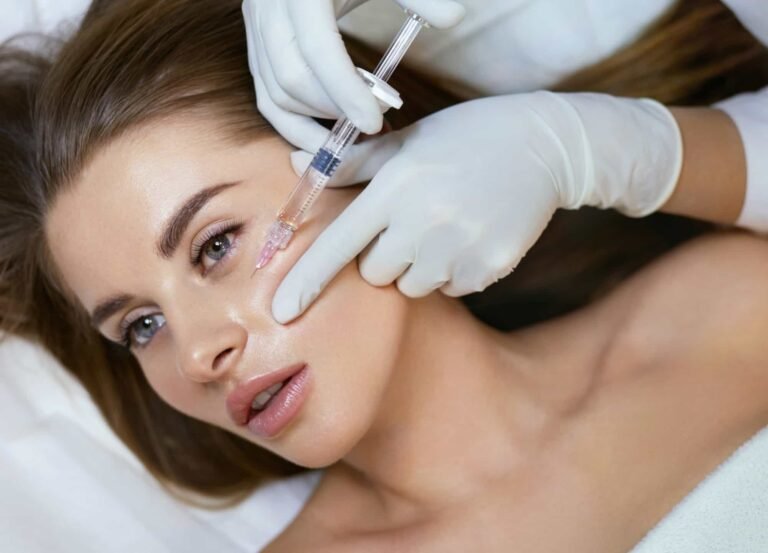
Aging is a natural process that gradually affects the structure, tone, and elasticity of the skin. Over time, the loss of facial volume, combined with the reduction of collagen and elastin production, leads to fine lines, wrinkles, sagging skin, and an overall tired appearance. While traditional surgical procedures have long been the conventional route for deep facial rejuvenation, modern non-surgical and minimally invasive procedures have transformed the aesthetic landscape. Among these modern approaches, advanced regenerative treatments have gained significant popularity. If you are looking to revitalize your youthful appearance and restore skin vibrancy, understanding Stem Cell Facelift Abu Dhabi options and the core principles of regenerative facial care is an essential first step before scheduling a consultation.
This comprehensive guide covers everything you need to know about how regenerative facial treatments work, what makes them unique, how to prepare effectively, and what to expect throughout your rejuvenation journey.
Understanding the Concept of Regenerative Facial Rejuvenation
Regenerative aesthetics represents a paradigm shift from traditional cosmetic adjustments. Rather than relying on synthetic fillers or physically tightening deep tissue layers through major surgery, regenerative techniques utilize the body’s natural cellular mechanics to repair, refresh, and rebuild skin quality from within.
- Cellular Rejuvenation: The primary objective of a stem cell-based facelift is to stimulate repair at a cellular level, encouraging old and damaged tissue to heal naturally.
- Tissue Repair: Specialized cellular material contains growth factors that signal surrounding cells to boost their structural activity.
- Volume Restoration: Rather than merely filling hollows temporarily, the approach supports microvascularization and gradual tissue rejuvenation.
- Natural Aesthetic: Because the process works by enhancing your own cellular functions, the resulting facial enhancement looks subtle, balanced, and completely natural.
The Science Behind Cellular Skin Restoration
The underlying biology of stem cell aesthetic treatments relies heavily on signal proteins and growth factors. When these specialized cellular components are introduced into targeted areas of the face, they communicate with native fibroblasts. Fibroblasts are the primary cells responsible for manufacturing collagen and elastin—the structural proteins that keep skin firm, smooth, and resilient.
By restoring healthy intercellular communication, the treatment helps restart sluggish cellular activity. Over time, this leads to improved dermal thickness, better hydration retention, enhanced skin texture, and a gradual lift in areas affected by early to moderate volume loss.
Key Benefits of a Regenerative Facelift
Choosing a regenerative cosmetic approach offers numerous advantages for individuals seeking natural-looking rejuvenation without the extensive downtime associated with invasive surgical interventions.
- Minimally Invasive Nature: The procedure avoids broad surgical incisions, minimizing structural trauma to facial tissues.
- Enhanced Collagen Synthesis: It actively prompts the skin to synthesize new collagen and elastic fibers over time.
- Improved Overall Skin Quality: Beyond adding subtle volume, it targets surface irregularities, tone, micro-circulation, and overall luminosity.
- Minimal Disruption to Daily Life: Most individuals experience a quick return to their routine due to low recovery requirements.
Comparing Traditional Facelifts vs. Regenerative Approaches
While traditional surgical facelifts excel at removing excess skin and repositioning underlying muscle fascia, they require significant recovery periods and surgical intervention. Regenerative facelifts focus primarily on skin quality, micro-volume, and structural elasticity. They serve as an ideal choice for individuals who wish to address early-to-moderate aging without dramatic alteration of their natural facial structure.
Who is an Ideal Candidate for the Procedure?
Determining whether you are a suitable candidate involves evaluating your skin condition, aesthetic goals, and overall expectation of gradual cellular improvements.
- Early Signs of Aging: Ideal for individuals experiencing mild to moderate skin laxity, fine lines, and subtle volume depletion.
- Seeking Natural Results: Best suited for those who desire gradual, authentic improvement rather than sudden, dramatic changes.
- Preference for Non-Surgical Solutions: Perfect for individuals who wish to avoid surgical incisions and lengthy recovery periods.
- Good Overall Health: Candidates should possess reasonable healing capacity and healthy skin conditions in targeted areas.
Skin Quality and Age Factors
Age is not the sole factor when determining candidacy. Skin quality, genetics, sun exposure history, and lifestyle choices play equally crucial roles. While individuals in their late 30s to early 50s often see optimal benefits as a preventative and corrective measure, older individuals with healthy skin elasticity can also experience meaningful texture and tone enhancements.
Essential Steps to Take Before Your Treatment
Thorough preparation is fundamental to maximizing the benefits of cellular skin rejuvenation and ensuring a comfortable recovery experience.
- Consultation and Evaluation: Complete a detailed skin assessment to discuss your goals and understand the treatment scope.
- Hydration Management: Keep skin deeply hydrated by maintaining optimal water intake in the days leading up to your session.
- Skincare Adjustment: Temporarily pause the use of harsh chemical exfoliants, strong retinoids, or active acids as advised by your care specialist.
- Lifestyle Refinements: Avoid alcohol and excessive sun exposure prior to the appointment to protect the skin barrier.
Preparing Your Skin Barrier
Building a strong, healthy skin barrier prior to any aesthetic treatment improves outcomes and speeds up healing. Focusing on basic, nourishing skincare—such as gentle cleansers, hyaluronic acid serums, and broad-spectrum sun protection. Ensures that the epidermal layer is balanced and calm before undergoing regenerative micro-injections or targeted delivery procedures.
What to Expect During the Procedure
Understanding the step-by-step process helps ease any anxiety and ensures you feel completely comfortable throughout your appointment.
Topical Comfort Measures: A mild topical numbing cream is applied to ensure complete comfort throughout the targeted application.
Cellular Formulation Preparation: Specialized cellular growth factors or harvested tissues are prepared following strict hygiene protocols.
Precision Targeted Delivery: The active cellular solution is carefully administered into pre-selected facial zones using micro-fine delivery tools.
Post-Care Soothing Application: A calming serum or cooling mask is often applied immediately after to soothe the skin surface.
Duration and Comfort Level
The entire session generally takes between 60 and 90 minutes, depending on the number of areas being treated. Patients typically report minimal discomfort, describing the sensation as slight pressure or mild tingling. Because the treatment relies on delicate delivery systems, the process is smooth and easily tolerated.
Recovery and Post-Treatment Expectations
One of the main appeals of cellular aesthetic treatments is the swift recovery period, allowing individuals to resume their daily schedule with minimal disruption.
- Immediate Reactions: Mild redness, light swelling, or slight tender spots may occur, which typically settle within 24 to 48 hours.
- Downtime Duration: Most daily non-strenuous activities can be resumed almost immediately or the following day.
- Initial Results: A healthy skin “glow” and subtle plumpness often appear within the first week as hydration levels rise.
- Long-Term Progression: Continuous improvements in skin elasticity, tone, and smoothness continue to develop over 2 to 3 months.
Caring for Your Skin Post-Treatment
To support optimal cellular activity, care for your skin gently in the days immediately following treatment:
- Avoid touching or rubbing the face excessively.
- Refrain from strenuous exercise, steam rooms, and saunas for at least 48 hours.
- Apply high-SPF broad-spectrum sunscreen daily to protect newly stimulated skin cells from UV damage.
- Keep the skin hydrated with mild, fragrance-free moisturizers.
Expected Outcomes and Longevity of Results
Regenerative treatments work progressively, offering results that evolve gracefully alongside your natural aging process.
- Gradual Improvement: Results unfold over several weeks as native collagen production builds up.
- Enhanced Skin Vitality: Expect better skin density, refined texture, reduced fine lines, and restored radiance.
- Long-Lasting Benefits: Improvements can last for many months to a year or more, depending on individual cellular response and skin maintenance.
- Complementary Aesthetic Care: The treatment can often be integrated with other gentle skincare routines to maintain optimal luminosity.
Frequently Asked Questions about Stem Cell Facelift Abu Dhabi
What makes a stem cell facelift different from traditional dermal fillers?
Traditional dermal fillers use hyaluronic acid or synthetic gel substances to instantly add physical volume to specific areas. In contrast, a stem cell facelift uses active growth factors and cellular signals to encourage your body to produce its own collagen, improving overall skin structure, texture, and natural volume progressively over time.
How soon will noticeable changes in skin appearance occur?
While an immediate subtle boost in hydration and brightness is often visible within the first few days, the primary structural improvements—such as enhanced elasticity, smoother texture, and fine line reduction—develop gradually over 4 to 8 weeks as cellular regeneration takes place.
Is there any significant downtime required after the treatment?
Downtime is minimal. Most individuals experience slight redness or minor localized swelling similar to a mild flush, which usually subsides within 24 to 48 hours. Normal light daily activities can generally be resumed right away.
How many sessions are typically required to achieve optimal skin rejuvenation?
The number of recommended sessions depends on individual skin condition, age, and aesthetic goals. While many people notice meaningful improvements after a single session. A series of 2 to 3 treatments spaced several weeks apart is often suggested for optimal and long-lasting collagen remodeling.


