 WhatsApp Us Now

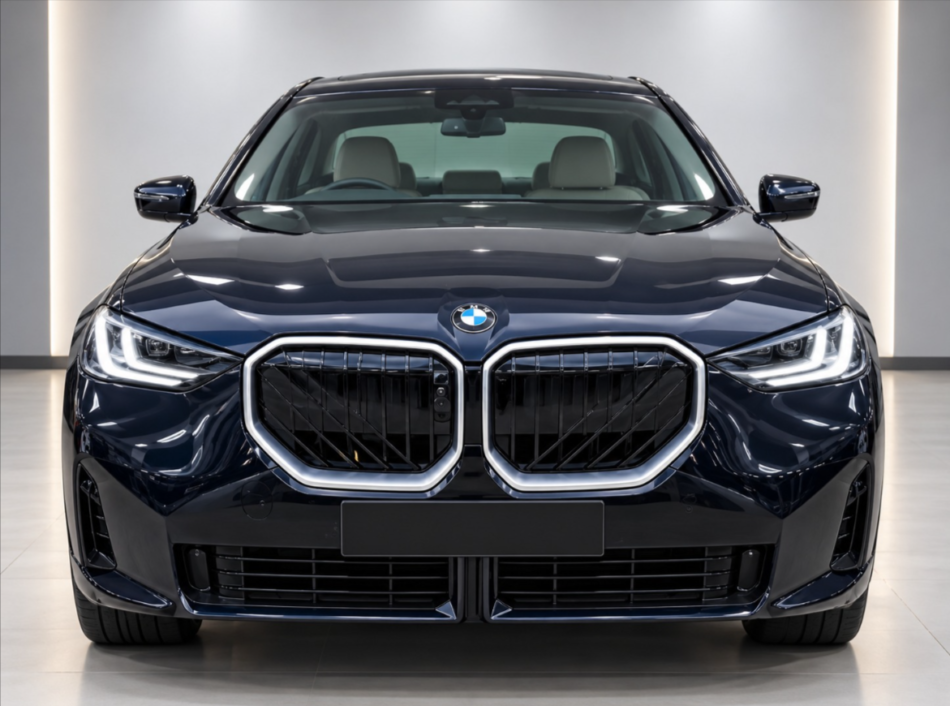
Buying a luxury car is an exciting decision, especially when you have your eyes on a BMW. Known for its premium appeal, stylish design, and engaging driving experience, BMW attracts buyers who want comfort and performance in one package. However, purchasing a preowned luxury vehicle requires careful planning. You need to consider more than just its appearance and price before making a final decision.
If you are searching for bmw used cars, understanding the vehicle’s condition, maintenance records, mileage, and overall ownership costs can help you choose a car that suits your lifestyle. A little research before purchasing can make the process easier and help you avoid unexpected expenses later.
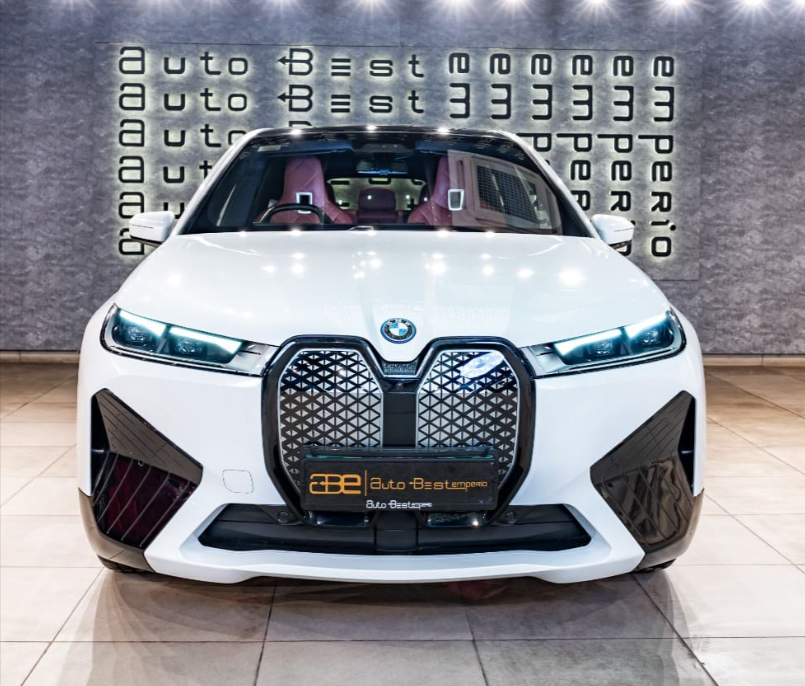
1. Set a Realistic Budget
Before choosing a BMW, decide how much you are comfortable spending. The purchase price is only one part of the total cost of ownership. You should also account for insurance, regular servicing, replacement parts, fuel, and potential repairs.
Different BMW models offer different features, performance levels, and comfort options. Consider whether you need a compact sedan for daily commuting, a spacious SUV for family travel, or a model that delivers a more performance-focused driving experience.
Setting a realistic budget will help you narrow down your choices and avoid stretching your finances for features you may not need. Keep some money aside for unexpected maintenance expenses, particularly when purchasing an older vehicle.
2. Check the Vehicle’s Service History
A well-maintained car can offer greater peace of mind than one with an attractive price but an unclear background. Always ask for available service records and maintenance invoices before making a purchase.
These documents can help you understand how regularly the vehicle was serviced and whether important maintenance work was completed. Check whether the previous owner followed recommended service intervals and whether any major repairs were carried out.
You should also ask about replaced components, previous accidents, and recurring mechanical issues. If the service history is incomplete, arrange a professional inspection before proceeding. Reviewing the vehicle’s maintenance background is an important step when comparing bmw used cars and deciding which one deserves your investment.
3. Inspect the Exterior and Interior Condition
The car’s overall condition can reveal useful information about how it was treated by previous owners. Begin with the exterior and look for scratches, dents, uneven paintwork, rust, or differences in colour between body panels. These signs may indicate previous repairs or accident damage and should be checked carefully.
Next, inspect the tyres for uneven wear, cracks, and sufficient tread. Uneven tyre wear can sometimes indicate alignment or suspension problems that require further investigation.
Inside the cabin, examine the seats, dashboard, steering wheel, upholstery, and door panels. Test the air conditioning, infotainment system, power windows, lighting, and other available features. Make sure all the equipment works as expected.
A clean interior is encouraging, but appearance alone does not confirm that a vehicle is mechanically sound. Combine your visual inspection with a professional assessment.
4. Evaluate Mileage and Engine Performance
Mileage is another important factor when buying a preowned BMW. A vehicle with lower mileage may have experienced less use, but mileage alone does not determine its condition. A higher-mileage car with consistent servicing may be a better choice than a low-mileage vehicle that has been poorly maintained.
Check whether the recorded mileage appears consistent with the available service history and vehicle documents. Look for warning lights on the dashboard and listen for unusual engine noises during startup.
During a test drive, pay attention to acceleration, braking, steering response, suspension comfort, and gear changes. Notice any vibrations, hesitation, or unusual sounds. If something feels wrong, ask a qualified mechanic to investigate it before you make a decision.
5. Take a Thorough Test Drive
Never purchase a used luxury car based only on photographs or a short conversation with the seller. A test drive allows you to understand how the vehicle performs in real driving conditions.
Drive on different types of roads when possible. Check how comfortably the car handles traffic, uneven surfaces, turns, and higher-speed conditions where safe and permitted. Test the brakes gently, observe the steering response, and confirm that the transmission operates smoothly.
Also consider whether the driving position, visibility, cabin space, and boot capacity meet your daily requirements. If you regularly travel with family, passenger comfort may be just as important as engine performance.
A test drive can help you decide whether the car feels right for your needs rather than simply matching your expectations on paper.
6. Verify Documents and Ownership Details
Documentation is an essential part of purchasing any preowned vehicle. Verify the registration certificate, insurance details, and other relevant vehicle records. Confirm that the vehicle identification and engine details match the documents.
Ask about the number of previous owners and check whether there are any outstanding loans, legal restrictions, or unresolved ownership issues. Where applicable, verify the vehicle’s insurance and accident history through available records.
Complete the ownership transfer through the appropriate official process. If you are unsure about any document, seek professional assistance before paying the full amount.
Taking these precautions can reduce the risk of avoidable complications after the purchase.
7. Compare Options Before Making a Decision
Avoid choosing the first BMW that catches your attention. Compare multiple vehicles based on model, year, mileage, condition, service records, features, and asking price.
When reviewing bmw used cars, focus on overall value rather than selecting the cheapest available option. A slightly more expensive vehicle with better maintenance records and a cleaner history may prove more suitable over time.
You can browse the BMW inventory available on Auto Best Emperio to review available options and identify vehicles that match your preferences. Shortlisting suitable cars before arranging inspections can make your buying journey more organised.

Conclusion
Buying a used BMW can be a rewarding decision when you approach the process with the right information. Set your budget, review service records, inspect the vehicle, evaluate its performance, verify the documents, and take a proper test drive before committing.
The best choice is not necessarily the newest or least expensive car. It is the vehicle that offers the right combination of condition, comfort, performance, and value for your requirements.
If you are considering bmw used cars, take time to compare available options and ask the right questions. With careful research and a thorough inspection, you can make a more informed decision and enjoy your BMW with greater confidence.


