 WhatsApp Us Now
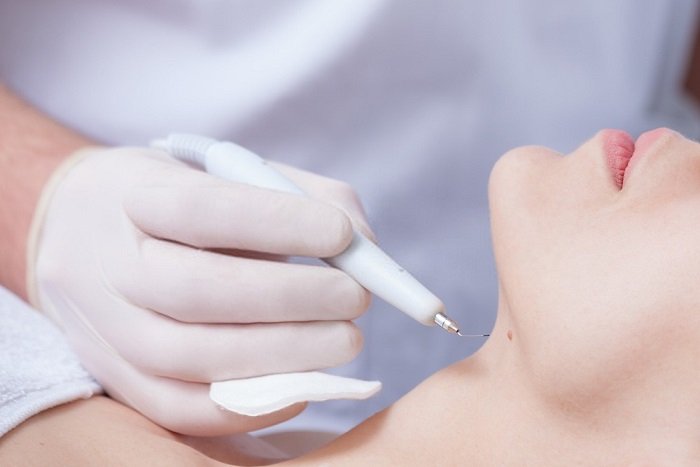
There is no single best Wart Removal treatment for every person because the most suitable option depends on the wart’s type, size, thickness, location, number of lesions, and previous treatment history. Common treatments include salicylic acid, cryotherapy, cantharidin, electrosurgery, curettage, laser therapy, and selected surgical procedures. Many warts eventually disappear without treatment, but professional treatment can help clear persistent warts more quickly. For people considering إزالة الثآليل في دبي, a dermatological assessment can help determine which approach is appropriate for the individual wart.
Is There One Best Treatment for All Warts?
No. Wart treatment needs to be individualized because different warts respond differently to treatment.
For example, a small common wart on the hand may respond to a topical treatment, while a thick plantar wart may require a different approach. A persistent wart that has not improved after several treatments may also require a more advanced procedure.
A dermatologist considers factors such as:
- Type of wart
- Size and thickness
- Location
- Number of warts
- Duration
- Previous treatments
- Skin type
- Patient age
- Whether the wart causes pain or irritation
This approach helps avoid unnecessary treatment of healthy surrounding skin.
Is Salicylic Acid a Good Wart Treatment?
Salicylic acid is a commonly used treatment for certain non-genital warts. It works by gradually removing layers of the wart rather than eliminating the growth instantly.
It may be appropriate for:
- Common warts
- Plantar warts
- Selected flat warts away from the face
Treatment generally requires regular application and patience. Irritation or soreness of the surrounding skin can occur, so the product should be used exactly as directed.
Salicylic acid is not appropriate for every location. Facial and genital lesions require professional assessment rather than routine use of wart medicines intended for other parts of the body.
Is Cryotherapy the Best Wart Removal Treatment?
Cryotherapy, or freezing, is one of the most commonly used professional treatments for warts. A dermatologist applies an extremely cold substance, usually liquid nitrogen, to freeze the wart tissue.
The treated area may develop:
- Redness
- Swelling
- Tenderness
- A blister
- Crusting
The damaged tissue gradually clears as the skin heals. According to the American Academy of Dermatology, cryotherapy is used for several types of non-genital warts, and many patients require more than one session. Treatments may be repeated at intervals determined by the dermatologist.
Cryotherapy can be a practical option for many warts, but it is not automatically the best choice for every patient.
When Is Cantharidin Used?
Cantharidin is a treatment applied by a dermatologist to selected warts. It creates a blister beneath and around the wart, allowing the treated tissue to separate from the surrounding skin.
It may be used for common and plantar warts. After application, patients receive instructions about washing the treatment area and caring for the skin.
Pain and blistering can occur, and temporary changes in pigmentation are possible.
Because cantharidin requires controlled application and appropriate aftercare, it should be used under professional guidance.
When Are Electrosurgery and Curettage Used?
Electrosurgery uses controlled electrical energy to destroy wart tissue, while curettage involves removing the treated tissue with a specialized instrument. These techniques can sometimes be used together.
Before the procedure, the area is generally numbed to improve comfort. The treated skin may then be sore, swollen, discolored, or slightly prone to bleeding during the healing period.
These procedures can be useful for selected common, plantar, or filiform warts, particularly when other approaches have not produced satisfactory results.
Is Laser Wart Removal Effective?
Laser therapy may be considered for stubborn warts that have not responded adequately to other treatments. The laser uses concentrated energy to target the affected tissue.
It can be useful for selected persistent lesions, but it is generally not considered the first option for every wart. The dermatologist may consider laser treatment when other approaches have failed or when the characteristics of the lesion make it appropriate.
Temporary swelling, discomfort, or skin discoloration can occur afterward, and some patients require more than one session.
When Is Surgical Removal Considered?
Surgical excision involves cutting out the wart after the area has been numbed. It can provide immediate physical removal of the visible growth and may be considered for selected common or filiform warts.
However, surgery creates a wound that needs to heal and can leave a scar. Bleeding and infection are possible complications, although these are uncommon when the procedure is appropriately performed by a dermatologist.
For this reason, surgical removal is generally selected based on the characteristics of the wart rather than simply because it offers immediate removal.
What Is the Best Treatment for Plantar Warts?
Plantar warts can be challenging because they occur on the soles of the feet, where thick skin and constant pressure can make treatment more difficult.
Depending on the individual case, treatment may involve:
- Salicylic acid
- Cryotherapy
- Cantharidin
- Electrosurgery
- Curettage
- Laser therapy
- Other dermatologist-directed treatments
A thick or painful plantar wart may require several treatment sessions. The treatment plan should also consider whether the wart is interfering with walking, exercise, or daily activities.
What Is the Best Treatment for Facial Warts?
Facial warts require greater care because facial skin is sensitive and visible. Treatment should aim to remove the wart while minimizing unnecessary irritation, pigmentation changes, and scarring.
A dermatologist may recommend a suitable treatment after examining the growth. Strong wart-removal products intended for thicker skin should not be applied to the face without professional guidance.
The location of the wart is particularly important when choosing a treatment for facial skin.
What Is the Best Treatment for Genital Warts?
Genital warts are different from common warts on the hands or feet and require specific medical evaluation. Standard over-the-counter wart medicines should not be used on genital skin.
Depending on the individual case, treatment can include prescription medications or procedures such as cryotherapy, excision, electrocautery, or laser treatment.
A healthcare professional considers the number and location of lesions, overall health, and other factors before selecting treatment.
What If the Wart Does Not Respond to Treatment?
Some warts are stubborn and may not respond to the first treatment. This does not necessarily mean that the diagnosis or treatment was incorrect.
A dermatologist may:
- Reassess the diagnosis.
- Repeat the existing treatment.
- Combine different treatment approaches.
- Recommend laser therapy.
- Consider prescription medication.
- Consider immunotherapy.
- Use another procedure for resistant lesions.
The American Academy of Dermatology notes that several options are available for stubborn warts, including laser therapy, certain prescription medications, immunotherapy, and other dermatologist-directed treatments.
How Many Treatments Are Needed?
The number of sessions depends on the treatment and the individual wart. Some warts respond after one procedure, while others need repeated treatment.
Cryotherapy, for example, commonly requires more than one session for complete clearance.
Factors affecting treatment response include the wart’s size, thickness, location, duration, and the individual’s immune response.
Is Professional Wart Removal Better Than Home Treatment?
Home treatment can be suitable for some people with one or a few small, uncomplicated common or plantar warts. Salicylic acid, certain home freezing products, and other approaches may be used according to appropriate instructions.
Professional treatment becomes more important when the wart is:
- On the face or genital area
- Painful
- Bleeding
- Changing in appearance
- Numerous
- Persistent despite home treatment
- Difficult to identify
- Associated with a weakened immune system
Professional assessment also helps confirm that the growth is actually a wart.
Can Wart Removal Be Permanent?
Treatment can clear the visible wart, but recurrence is possible. Wart removal does not necessarily eliminate HPV from the skin, so another wart may develop later.
This means that even a successful treatment does not guarantee that the wart will never return.
Avoiding picking and scratching, washing hands after touching a wart, and avoiding shared personal grooming items can help reduce the spread of the virus.
Frequently Asked Questions:
What is the most effective wart removal method?
There is no universally most effective method. Cryotherapy, salicylic acid, electrosurgery, curettage, laser therapy, and other treatments may be appropriate depending on the wart.
Is freezing a wart better than using salicylic acid?
Both can be useful. Salicylic acid gradually removes wart tissue, while professional cryotherapy freezes the wart. The choice depends on the individual lesion.
What is best for a stubborn wart?
Persistent warts may require a different or combined treatment approach. Options can include cryotherapy, electrosurgery, laser therapy, prescription medications, or immunotherapy.
What is the best treatment for plantar warts?
There is no single best option. Salicylic acid and cryotherapy are commonly used, while persistent plantar warts may require additional professional treatments.
What is the best treatment for facial warts?
The safest approach depends on the exact location and characteristics of the facial wart. Professional assessment is recommended before treatment.
Conclusion:
The best wart removal treatment depends on the individual rather than on one procedure being suitable for everyone. Salicylic acid and cryotherapy are commonly used for appropriate warts, while cantharidin, electrosurgery, curettage, laser therapy, and surgical removal may be considered for selected or persistent lesions. A professional evaluation is particularly important for facial, genital, painful, bleeding, rapidly changing, or treatment-resistant growths. Choosing treatment according to the wart’s characteristics can help balance effective removal with appropriate care for the surrounding skin.


