 WhatsApp Us Now
Rainwater is supposed to remain outside the home. The roof’s outer surface, membrane, flashing, and other components work together to direct water away from the structure. When water gets beneath roofing materials, that protective system may no longer be working as intended.
The first signs are not always obvious. A homeowner may notice a small ceiling stain after a storm, while the actual water entry point could be several feet away. In other cases, moisture can remain hidden for some time before a visible problem appears.
Understanding what happens when rainwater moves beneath the roof can help homeowners recognize why even a small leak deserves attention.
How Does Rainwater Get Beneath Roofing Materials?
Water can reach the layers beneath the roof through several types of openings. Missing or damaged shingles, worn flashing, exposed seams, and gaps around roof penetrations can create paths for rainwater.
Strong weather can make these openings more noticeable.
Damaged Areas Can Create Water Entry Points
A roof does not need to have a large hole for water to get underneath. A lifted shingle edge or small gap around flashing may be enough under certain weather conditions.
Wind-driven rain can be especially difficult because water may move sideways beneath roofing components instead of simply falling downward.
Why Does Water Not Always Appear Directly Under the Leak?
One of the more confusing parts of a roof leak is that the visible interior sign may not match the location of the roof problem.
Water can move along the underside of roofing layers, decking, insulation, or other surfaces before reaching the interior.
The Ceiling Stain May Be Somewhere Else
A water mark on a ceiling does not necessarily identify the exact location where rain entered.
This is why tracing a roof leak often requires more than looking directly above the interior stain. A professional inspection can help identify the likely entry point and determine how far the moisture may have traveled.
What Can Happen to the Roof Deck?
The roof deck sits beneath the visible roofing surface and helps support the roofing system. If water repeatedly reaches the deck, the material may remain damp for extended periods.
The effect depends on the type of decking, the amount of water, ventilation, and how long the moisture remains present.
Prolonged Moisture Can Weaken the Supporting Layer
A roof deck that has experienced repeated moisture exposure may require closer inspection.
If deterioration is present, replacing only the outer roofing material may not address the entire concern. The underlying condition needs to be understood before permanent work begins.
How Can Hidden Moisture Affect the Inside of a Home?
Water that passes through the roof can eventually reach ceilings, walls, insulation, and other interior materials.
The timing varies. A major opening may create immediate dripping, while a smaller entry point may produce only occasional stains during rainfall.
Interior Signs Can Appear Gradually
Homeowners may notice discoloration, damp spots, peeling paint, or changes around ceilings after repeated rain.
These signs should not automatically be blamed on the roof, but when they appear shortly after rainfall, the source deserves investigation.
Why Can Repeated Rain Make a Roof Leak Worse?
A small opening may not create a noticeable problem during every rainfall. The amount and direction of rain, wind conditions, and the location of the opening all influence how much water enters.
Repeated storms can continue exposing the same weak area.
Each Storm Can Add More Moisture
If the entry point remains open, another period of rain can introduce additional water into the roofing system.
This is one reason homeowners should avoid assuming that a leak will disappear simply because the ceiling looks dry between storms.
Can Damaged Flashing Allow Water Under the Roof?
Flashing is used around areas where the roof meets features such as chimneys, walls, vents, and other penetrations.
If flashing becomes loose, cracked, displaced, or improperly sealed, rainwater may find a path beneath nearby roofing components.
Roof Connections Need Careful Inspection
A flashing problem may appear small from the ground, but its location can make it important.
Professional roofers can inspect these connection points and determine if the flashing is contributing to water entry.
How Can Poor Roof Drainage Contribute to Water Entry?
Water needs to move away from the roof through properly designed drainage paths. If gutters are blocked or water collects in areas where it should normally drain, certain roofing sections may receive more moisture than expected.
Standing Water Deserves Attention
Persistent water accumulation can place extra stress on roofing materials.
The cause may involve drainage, roof slope, blocked gutters, or another condition. Identifying the source is important before deciding what work is needed.
Why Should Homeowners Pay Attention to Small Leaks?
A small leak can seem manageable when only a little water appears indoors. Yet the visible amount does not always reveal how much moisture has entered the roof.
A limited leak may also occur only during particular weather conditions.
Small Water Entry Can Still Matter
Homeowners do not need to assume that every small leak will lead to severe damage. The sensible step is to have the source evaluated so the condition is understood.
Early attention can also make it easier to determine if a targeted repair may be enough.
How Do Roofers Check for Water Beneath the Surface?
A professional inspection may include looking at shingles, flashing, roof edges, penetrations, valleys, and other areas where water can enter.
Roofers may also examine the interior signs reported by the homeowner.
The Inspection Connects Visible Signs With Roof Conditions
The goal is to determine whether the visible problem is isolated or connected to a larger roofing concern.
For homeowners searching for roofing companies in Columbia SC, choosing a professional who can evaluate both the visible roof surface and related concerns can help clarify what is actually happening.
What Should Homeowners Do When They Suspect Hidden Roof Moisture?
Homeowners should avoid climbing onto the roof, especially after rain when surfaces may be slippery.
Instead, they can document interior signs, note when the leak appears, and arrange a professional inspection.
Timing and Documentation Can Help
Photographs of ceiling stains or damp areas can give a roofer useful information. It can also help to note whether the problem appears during heavy rain, wind-driven rain, or every rainfall.
This information can help the inspection process begin with a clearer understanding of the situation.
What Happens If Moisture Remains Beneath the Roof?
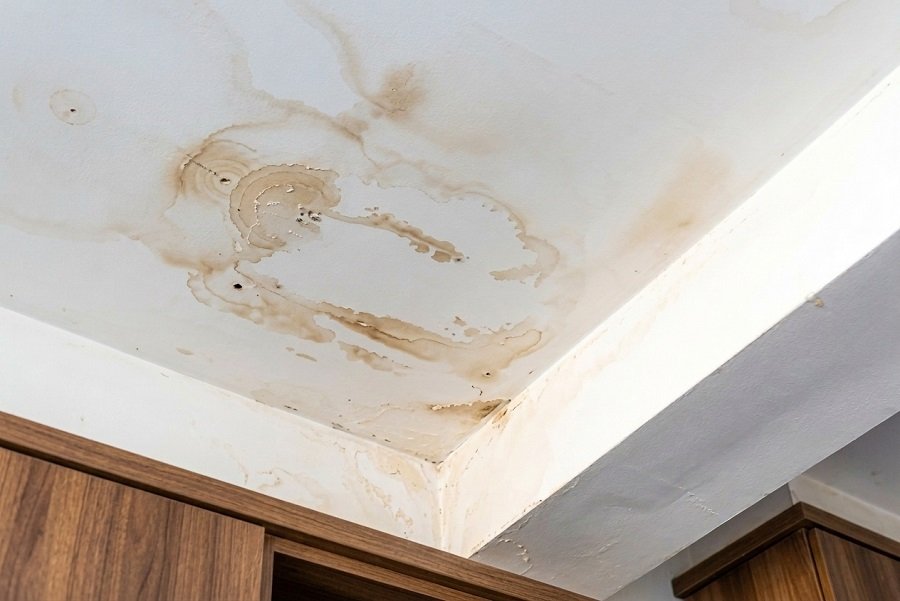
When rainwater remains beneath roofing materials, the concern can continue even when there is no active dripping inside the home.
Moisture may remain trapped around the roof deck, membrane, insulation, or other areas. The effect depends on how much water entered, how long it remained, and how quickly the affected area was dried or repaired.
Hidden Moisture Can Be Difficult to Notice
A roof can appear normal from the outside while moisture remains underneath. This is one reason a professional inspection can be useful after a recurring leak or major rainfall event.
The visible surface does not always show the full condition of the roofing system.
Can Rainwater Affect Roof Insulation?
Insulation can become damp when water moves past the outer roofing layers. Wet insulation may lose some of its intended performance and can take time to dry, especially when airflow around the affected area is limited.
Interior Moisture Should Not Be Ignored
Homeowners may notice unusual odors, damp areas, ceiling discoloration, or changes in interior surfaces.
These signs can have several causes, so an inspection is needed to determine if the roof is responsible.
Can Water Damage Ceilings and Walls?
If rainwater continues moving through the roof, it can eventually reach interior building materials.
Ceiling materials may become stained or weakened, while moisture around walls can affect paint and other finishes.
The Extent Depends on the Leak
A short-lived leak may cause limited visible effects, while repeated water entry can affect a larger area.
The sooner the source is identified, the easier it can be to understand which parts of the home may need attention.
Why Is Roof Repair Important After Water Entry?
Finding the water inside the home is only part of the problem. The entry point on the roof still needs to be identified and addressed.
The required work can range from a limited repair to replacement of several affected roofing components.
The Repair Should Address the Source
Simply covering an interior stain does not resolve the roof condition that allowed water inside.
A roofer should inspect the affected area and determine what caused the water entry before permanent work begins.
How Can Homeowners Reduce Future Water Problems?
Routine roof inspections can help identify damaged shingles, loose flashing, blocked drainage areas, and other concerns before they become larger sources of water entry.
Homeowners can also watch for visible changes after storms.
Ground-Level Checks Can Be Useful
Look for missing shingles, fallen roofing materials, visible debris, clogged gutters, or unusual areas on the roof surface.
Homeowners should avoid climbing onto the roof. Professional access is safer, especially when materials may be wet or damaged.
How Can Reviews Help When Choosing a Roofing Professional?
Customer feedback can offer useful background when homeowners compare roofing professionals. Reviews may mention communication, inspection experiences, scheduling, emergency response, and the overall service process.
Homeowners can read Modern Roofing USA reviews as one source of customer feedback while researching roofing assistance.
Reviews should not be the only factor in a decision. Service details, inspection findings, communication, and the specific roofing situation also matter.
What Should Homeowners Remember About Rainwater Beneath a Roof?
Rainwater beneath roofing materials can create concerns that are not immediately visible. Water may move away from the original entry point, reach the roof deck, affect insulation, or eventually appear inside the home.
A small leak does not automatically mean extensive damage has occurred. The important step is identifying the source and understanding the condition before assuming what repair is needed.
Homeowners should pay attention to recurring stains, damp areas, missing shingles, damaged flashing, or other signs that appear after rainfall. A professional inspection can help determine what is happening beneath the visible roofing surface.
Final Thoughts
Rainwater getting beneath roofing materials is a problem worth taking seriously because the visible sign may not reveal the full extent of the moisture.
Water can enter through damaged shingles, flashing, roof penetrations, seams, or other weak areas. Once beneath the outer layer, it may travel along the roof system before reaching ceilings or walls.
Prompt attention can help homeowners identify the source, understand the condition of the affected materials, and determine the appropriate repair. A professional inspection is especially useful when leaks return after rain or when interior moisture appears without an obvious cause.
The main goal is not simply to remove the visible water stain. It is to identify how the water entered and address the roofing condition responsible for it.
Visit for news and updates at thestarbiznews.com


