 WhatsApp Us Now
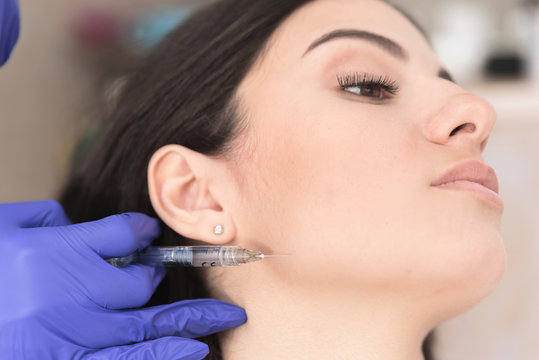
Facial harmony often depends on how well different features balance with one another. A sculpted jawline can contribute to a more refined appearance by creating visual structure and supporting overall symmetry. Many people explore options that emphasize natural contours while maintaining their individual characteristics. Interest in Jawline Filler Injections in Dubai continues to grow among those seeking enhanced facial definition that complements existing features rather than changing them completely.
How Jawline Enhancement Supports Facial Balance
The jawline acts as a visual frame for the lower face and influences how other facial features are perceived. When this area appears more defined, nearby features can stand out in a more harmonious way. Balanced proportions often create a refreshed and polished appearance that works well from different angles and expressions.
A stronger lower facial contour can improve the transition between the cheeks, chin, and neck area. This balanced relationship helps create a cohesive appearance without drawing attention to any single feature alone.
Enhancing the Chin and Lower Face Contours
One of the primary facial areas connected to jawline enhancement is the chin. The chin and jaw work together to create proportion and shape throughout the lower face. When these features appear aligned, the overall profile often looks more structured and balanced.
Subtle improvements around the jaw area can also contribute to better definition between facial regions. This creates smoother visual transitions and supports a more polished appearance that complements natural facial characteristics rather than overpowering them.
Facial Features That Often Benefit Together
Several features can appear more refined when the jawline receives additional definition:
- The chin may appear more proportionate to the rest of the face.
- The cheeks can stand out with greater contrast and structure.
- The neck area may appear more visually separated from the jaw.
- The profile can gain a more balanced appearance from side angles.
- The lower facial region can achieve improved symmetry.
These enhancements focus on creating harmony rather than dramatically altering existing facial traits.
The Relationship Between the Jawline and Cheeks
Cheeks and jawlines share an important visual connection. When one area gains definition, the other often appears more noticeable as well. Well-balanced contours between these regions contribute to a more cohesive facial appearance and support overall proportion.
The transition from the cheek area toward the jawline creates a natural pathway for facial shape. Enhancing this relationship can help maintain consistency throughout the face and emphasize natural dimensions that already exist.
Supporting Profile Definition
Many people pay attention to how their features appear from the side as well as from the front. The jawline plays a significant role in side-profile aesthetics because it influences the visibility and shape of surrounding features.
A refined lower facial outline can support stronger profile definition and improve the relationship between the forehead, nose, lips, and chin. This sense of proportion often contributes to a more balanced and visually appealing appearance from multiple viewpoints.
Features Commonly Associated With Jawline Definition
Jawline enhancement can influence the perception of several facial characteristics:
- A softer lower face may appear more structured.
- Facial proportions can look more even and coordinated.
- The transition between the chin and jaw may appear smoother.
- Symmetry across both sides of the face can become more noticeable.
- Natural contours may gain additional emphasis and visibility.
These changes are generally appreciated because they work alongside existing facial features instead of competing with them.
Creating a More Structured Facial Frame
The jawline serves as an important boundary that shapes the appearance of the face. A defined frame can make facial features seem more organized and visually connected. This effect is often associated with confidence, balance, and elegance across a wide range of face shapes.
Different individuals naturally possess varying levels of jawline prominence. Enhancing this area can help reinforce facial architecture while preserving the unique qualities that make each face distinctive and recognizable.
Why Symmetry Matters in Facial Appearance
Facial symmetry is often associated with attractiveness because balanced features create visual consistency. The jawline contributes significantly to this perception by supporting equal proportions across the lower face and helping neighboring features align more naturally.
When facial elements appear coordinated, attention shifts toward the face as a whole rather than isolated areas. This unified appearance can create a polished impression while still preserving individuality and personal expression.
Areas That Work in Harmony With the Jawline
Several facial regions rely on jawline definition to achieve visual balance:
- The chin benefits from stronger structural support.
- The cheek area may appear more lifted and prominent.
- The lower face gains improved proportional relationships.
- The profile often looks more cohesive from different angles.
- The facial frame can appear more refined and organized.
Because these features interact closely, enhancing one area often influences how the others are perceived.
Choosing Enhancement That Complements Natural Features
Many people prefer facial enhancements that respect their natural appearance rather than replace it. The goal is often to improve definition while maintaining expressions, character, and individuality. A balanced approach allows facial features to remain recognizable and authentic.
Jawline enhancement is frequently appreciated because it focuses on structure and proportion. These qualities can support a refreshed appearance while still preserving the facial traits that make someone unique. The emphasis remains on harmony and refinement rather than dramatic transformation.
Final Thoughts
Jawline definition plays an important role in shaping how the entire face is perceived. From supporting the chin and cheeks to improving facial balance and profile appearance, this area contributes to overall harmony and proportion. Enhancements that focus on the jawline often highlight existing features and create stronger connections between different parts of the face. By emphasizing structure, symmetry, and natural contours, jawline enhancement can complement individual facial characteristics while maintaining a refined and balanced appearance.


