 WhatsApp Us Now
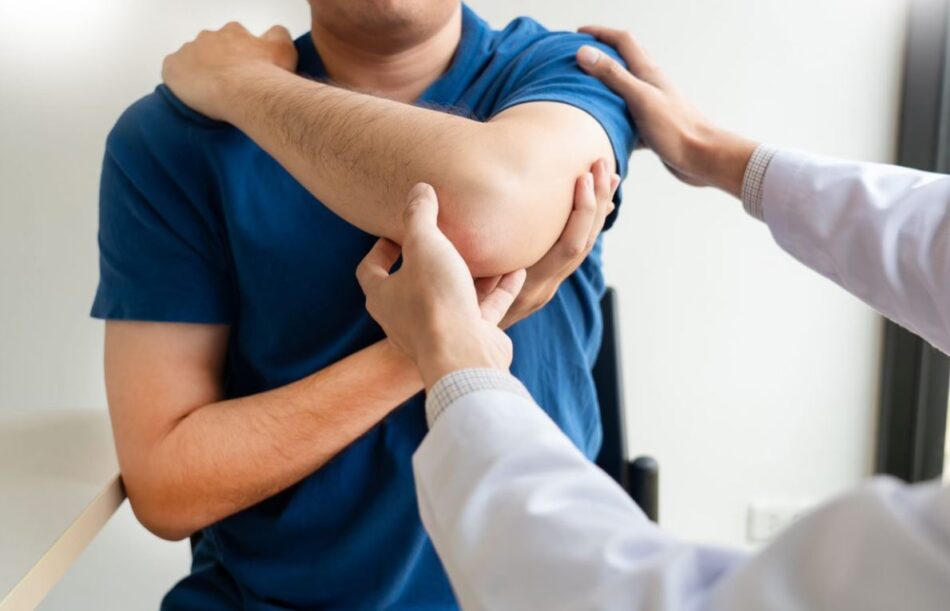
Physiotherapy at home has become an increasingly popular option for those seeking convenient, personalized care for various musculoskeletal and neurological conditions. This approach allows patients to receive expert treatment without the need to visit a clinic, ensuring comfort and flexibility in their recovery process. Physiotherapy At Home Abu Dhabi offers tailored programs that incorporate a variety of specialized equipment designed to optimize healing and improve mobility. Understanding the equipment used in home physiotherapy can help patients better prepare and participate actively in their treatment plans, leading to more effective outcomes.
The Importance of Equipment in Physiotherapy at Home
Facilitating Targeted Treatment
Equipment plays a crucial role in physiotherapy by enabling precise and targeted exercises that promote healing. It allows therapists to customize treatment protocols based on individual needs, ensuring that each session is effective and safe. In a home setting, the right equipment ensures that patients can perform their exercises correctly, which is essential for recovery.
Enhancing Patient Engagement
The use of specialized equipment can make physiotherapy sessions more engaging and motivating. When patients see tangible tools aiding their recovery, they tend to stay committed to their treatment regimen. This increased engagement can lead to faster progress and better adherence to prescribed exercises.
Ensuring Safety and Comfort
Proper equipment minimizes the risk of injury during exercises and provides necessary support for vulnerable areas. For example, supportive devices like braces or resistance bands help maintain correct posture and prevent strain, making the exercises safer and more comfortable.
Common Equipment Used in Physiotherapy at Home
Resistance Bands
Resistance bands are versatile tools used to strengthen muscles and improve flexibility. They come in various resistance levels, allowing therapists to design progressive exercise programs tailored to the patient’s strength and recovery stage. Resistance bands are lightweight, portable, and easy to use, making them ideal for home physiotherapy.
Exercise Balls
Stability balls or Swiss balls are employed to enhance core strength, balance, and coordination. They provide an unstable surface that challenges muscles to stabilize the body, which is beneficial for postural correction and rehabilitation following injuries.
Hand Weights and Dumbbells
Hand weights and dumbbells are common for resistance training to rebuild muscle mass and strength. They are used in various exercises targeting specific muscle groups, helping to restore function after injury or surgery.
TENS Machines (Transcutaneous Electrical Nerve Stimulation)
TENS units are electronic devices that deliver electrical impulses to nerve fibers to reduce pain and improve blood circulation. They are often used in physiotherapy to manage chronic pain conditions and facilitate tissue healing.
Ultrasound Therapy Devices
Portable ultrasound therapy devices can be used at home to promote tissue repair and reduce inflammation. These devices emit sound waves that penetrate deep into tissues, encouraging healing at a cellular level.
Foam Rollers and Massage Tools
Foam rollers and massage tools are used for myofascial release and muscle relaxation. Regular use can help alleviate muscle tightness, improve flexibility, and prevent injury.
Support Braces and Orthotics
Supportive braces, splints, and orthotics provide stability to injured joints or muscles. They help maintain proper alignment during exercises and daily activities, preventing further strain or injury.
Specialized Equipment for Specific Conditions
Gait Trainers and Walkers
For patients recovering from lower limb injuries or neurological conditions affecting mobility, gait trainers and walkers are essential equipment. They provide support and stability during walking exercises, aiding in the safe restoration of walking ability.
Balance Boards and Stability Trainers
These tools are used to improve balance and coordination, particularly in patients with neurological impairments or post-surgical rehabilitation. They challenge the body’s stability, helping to retrain muscles and improve proprioception.
Traction Devices
Portable traction devices are used in specific cases such as spinal injuries or neck pain. They gently stretch the spine or joints to relieve pressure and improve mobility.
The Role of Technological Equipment in Modern Home Physiotherapy
Digital Monitoring Devices
Wearable technology and digital monitors help track progress, measure range of motion, and ensure correct exercise execution. These tools provide real-time feedback, making home physiotherapy more interactive and data-driven.
Virtual Reality (VR) and Augmented Reality (AR)
Emerging VR and AR tools are transforming physiotherapy by creating immersive environments for rehabilitative exercises. They motivate patients through gamified exercises and provide immersive feedback for improved engagement.
Tele-rehabilitation Equipment
With advancements in tele-health, specialized equipment enables therapists to remotely guide and monitor exercises. This technology ensures continuity of care and professional oversight, even when in-person visits are not feasible.
Selecting the Right Equipment for Home Physiotherapy
Personalized Assessment
Choosing the appropriate equipment begins with a thorough assessment of the patient’s condition, goals, and environment. A therapist’s guidance ensures that the selected tools support the specific needs of the individual.
Safety and Ease of Use
Equipment should be safe, easy to operate, and suitable for the patient’s physical capabilities. Proper instruction on usage is vital to prevent misuse and injury.
Space and Portability
Home equipment should be compact and portable, fitting comfortably into the available space. Foldable or lightweight tools are preferable for ease of storage and transport.
Benefits of Using Proper Equipment in Home Physiotherapy
Accelerated Recovery
Targeted exercises with appropriate equipment can significantly speed up the healing process by ensuring that muscles and tissues are adequately stimulated and supported.
Improved Exercise Adherence
Having the right equipment at home makes it easier for patients to stick to their exercise routines, leading to consistent progress and better long-term outcomes.
Cost-Effective and Convenient
Home equipment reduces the need for frequent clinic visits, saving time and money while providing the convenience of exercising in familiar surroundings.
Empowering Patients
Access to quality physiotherapy equipment at home empowers patients to take an active role in their recovery, fostering independence and confidence in managing their health.
Conclusion
The equipment used in physiotherapy at home is fundamental to delivering effective, safe, and personalized rehabilitation programs. From resistance bands to advanced electronic devices, each piece of equipment serves a specific purpose in addressing individual conditions and recovery goals. Proper selection and use of these tools can greatly enhance the efficacy of home physiotherapy, leading to faster recovery, improved mobility, and greater overall well-being. As technology advances, the integration of innovative equipment continues to elevate the standards of home-based physiotherapy, making it more accessible and effective for patients worldwide.
FAQs
What types of equipment are most commonly used in physiotherapy at home?
Common equipment includes resistance bands, exercise balls, hand weights, TENS machines, ultrasound devices, foam rollers, braces, and gait trainers, each serving specific therapeutic purposes.
How do resistance bands aid in physiotherapy at home?
Resistance bands help strengthen muscles, improve flexibility, and support progressive exercise routines, making them ideal for safe and effective muscle rehabilitation.
Can technology like virtual reality be used in home physiotherapy?
Yes, emerging VR and AR technologies are being integrated into home physiotherapy to create engaging exercises, monitor progress, and provide real-time feedback.
Is specialized equipment necessary for all physiotherapy cases?
While not all cases require specialized equipment, many conditions benefit from specific tools tailored to the patient’s needs, ensuring optimal recovery outcomes.



