 WhatsApp Us Now

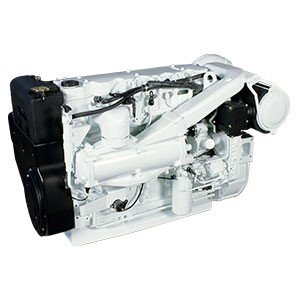
Choosing a marine engine involves more than checking horsepower or comparing prices. The right engine must suit your vessel, operating conditions, installation requirements, and maintenance plans. Before sourcing fiat marine diesel engines, it is important to gather accurate information about the existing engine and understand what your vessel needs.
Whether you are replacing an older unit, maintaining a working vessel, or planning a marine engine upgrade, checking a few essential details can help prevent compatibility problems and unnecessary delays.
1. Identify the Exact Engine Model
Start by checking the engine identification plate, model number, and serial number. These details help distinguish between engine versions that may look similar but have different specifications or components.
When sourcing fiat marine diesel engines, provide the supplier with the complete identification details whenever possible. This makes it easier to check the correct engine configuration and identify suitable replacement parts.
2. Check Power Ratings and Operating Requirements
Horsepower is important, but it should not be the only factor in your decision. Consider the vessel’s typical workload, required operating speed, duty cycle, and the engine’s specified power rating.
A vessel used for regular commercial operations may have different requirements from one used occasionally for leisure. Comparing the existing engine specifications with the vessel’s actual needs helps you make a more informed sourcing decision.
3. Review Installation and Compatibility Details
Before ordering a replacement, check the engine’s physical dimensions, mounting arrangement, shaft or transmission connection, cooling system, and exhaust configuration. Depending on the vessel, electrical connections and control systems may also need to be reviewed.
These checks are particularly important when comparing iveco diesel marine engines with an existing installation. Similar applications do not automatically mean that two engines are interchangeable. Confirm compatibility against the manufacturer’s specifications before proceeding.
4. Consider Parts Availability and Maintenance
An engine’s long-term suitability also depends on how easily the required service components can be sourced. Check the availability of filters, belts, gaskets, fuel-system components, and other parts relevant to your specific model.
If your vessel already uses an iveco marine diesel engine, keeping its model and serial number on record can simplify future parts enquiries. It also helps maintenance teams identify the correct components instead of relying on visual similarities alone.
5. Prepare the Right Information Before Requesting a Quote
A detailed enquiry gives your supplier a clearer picture of what you need. Before contacting a parts or engine specialist, prepare the following information:
- Engine model and serial number
- Required power rating and operating application
- Vessel type and intended use
- Existing installation or connection details
- Required engine parts or replacement components
- Delivery destination and preferred timeframe
Providing these details early can make the sourcing process more efficient and reduce avoidable back-and-forth communication.
Make Your Next Engine Sourcing Decision with Confidence
Selecting a marine diesel engine starts with accurate information. From engine identification and power requirements to installation compatibility and parts availability, each detail helps you narrow down the suitable options.


