 WhatsApp Us Now
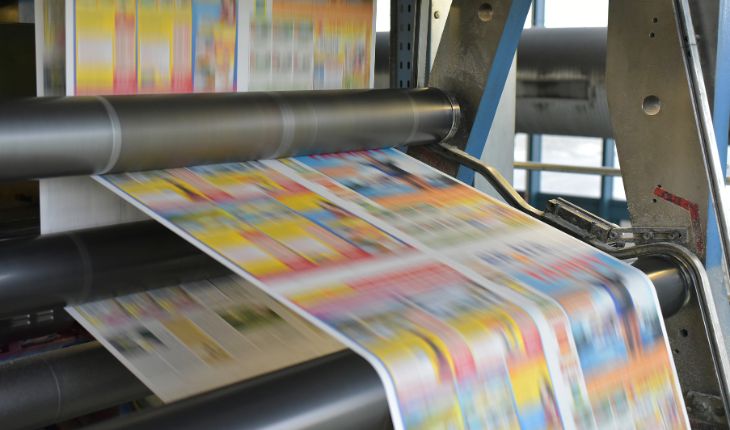
Printing has come a long way from traditional presses to digital-first solutions. One of the most transformative innovations in this space is the Web-to-Print (W2P) market, where customers design, customize, and order print products online with just a few clicks. From business cards and brochures to apparel and packaging, W2P has redefined how printing services are delivered—faster, more personalized, and highly scalable.
In this blog, we’ll explore the growth of the Web-to-Print market, key drivers, challenges, and opportunities, along with insights for businesses looking to tap into this booming sector.
What is the Web-to-Print (W2P) Market?
Web-to-Print, often called remote publishing or print e-commerce, is an online platform that enables users to create, customize, and order printed products directly through a website or mobile app. Instead of relying on manual print processes, W2P automates workflows, integrates design tools, and ensures seamless order fulfillment.
Some common W2P applications include:
- Personalized business cards, flyers, and posters
- Branded merchandise such as T-shirts, mugs, and pens
- Marketing collateral like banners and brochures
- Packaging solutions tailored to specific brand identities
Why the Web-to-Print Market is Growing Rapidly
The Web-to-Print market has experienced strong growth in recent years, driven by digital adoption and the need for cost-efficient, customized solutions. Several factors are fueling this demand:
- E-commerce expansion: More consumers and businesses are shifting purchases online, including print services.
- Personalization trend: Customers expect tailored designs that reflect individuality or brand identity.
- Automation benefits: W2P reduces manual errors, lowers costs, and accelerates turnaround times.
- Global reach: Businesses can serve customers worldwide without physical storefronts.
Together, these factors position W2P as a critical tool for modern printing companies and brands alike.
Key Segments of the Web-to-Print Market
The W2P industry serves multiple sectors, making it versatile and adaptive.
Commercial Printing
Businesses require marketing materials such as brochures, catalogs, and corporate stationery. W2P makes it easy to reorder and update these materials on-demand.
Apparel and Merchandise
Custom T-shirts, hats, and promotional products are some of the fastest-growing segments. Companies use W2P platforms to let customers design products directly online.
Packaging Solutions
The packaging market is increasingly adopting W2P for personalized boxes, labels, and wraps. With e-commerce booming, demand for branded packaging has skyrocketed.
Photobooks and Personal Prints
W2P platforms also cater to consumers who want customized wedding albums, calendars, and greeting cards. This segment thrives on personalization and creativity.
Benefits of Web-to-Print for Businesses
Adopting a W2P platform offers advantages that go beyond convenience:
- Scalability: Print providers can handle larger orders without proportional increases in costs.
- Customer engagement: Interactive design tools improve user experience and brand loyalty.
- Operational efficiency: Automated workflows minimize labor costs and errors.
- Revenue growth: Subscription-based or pay-per-order models ensure steady income streams.
Challenges in the Web-to-Print Market
Despite its growth, the W2P industry faces challenges that businesses must address:
- High initial setup cost: Implementing advanced platforms and integrations requires investment.
- Data security concerns: As designs and customer information are stored online, cybersecurity is crucial.
- Customer churn: With multiple competitors, retaining users requires consistent value delivery.
- Quality control: Balancing speed with top-notch print quality remains essential.
Opportunities Shaping the Web-to-Print Market
The future of W2P is bright, especially with technological advancements enhancing user experience.
- AI-driven personalization: Machine learning can recommend designs based on customer preferences.
- Mobile-first solutions: With smartphones driving e-commerce, mobile-friendly W2P apps are gaining traction.
- Sustainable printing: Eco-conscious consumers demand recycled paper, soy-based inks, and minimal packaging.
- Integration with e-commerce: Partnerships with Shopify, WooCommerce, or Amazon expand reach and streamline operations.
Future Outlook for the Web-to-Print Industry
The Web-to-Print market is expected to grow significantly as businesses and consumers embrace digital-first printing. The demand for fast, affordable, and customizable solutions will continue to rise. Companies that invest in user-friendly platforms, sustainable practices, and seamless integrations will be well-positioned to lead the market.
FAQs on the Web-to-Print (W2P) Market
Q1: What industries benefit the most from Web-to-Print?
Industries such as commercial printing, apparel, packaging, and consumer photobooks are leading adopters of W2P solutions.
Q2: Is Web-to-Print suitable for small businesses?
Yes. Small businesses can use W2P platforms to access affordable printing, personalize marketing materials, and compete with larger brands.
Q3: What technologies are shaping the W2P market?
AI, cloud-based platforms, mobile applications, and automation tools are transforming the W2P industry.
Q4: How does W2P help with customer retention?
By offering personalized products, faster delivery, and an engaging design experience, W2P platforms improve customer satisfaction and loyalty.
Q5: What is the future growth potential of the Web-to-Print market?
The market is projected to grow steadily as e-commerce expands, personalization becomes mainstream, and sustainability drives consumer choices.


