 WhatsApp Us Now

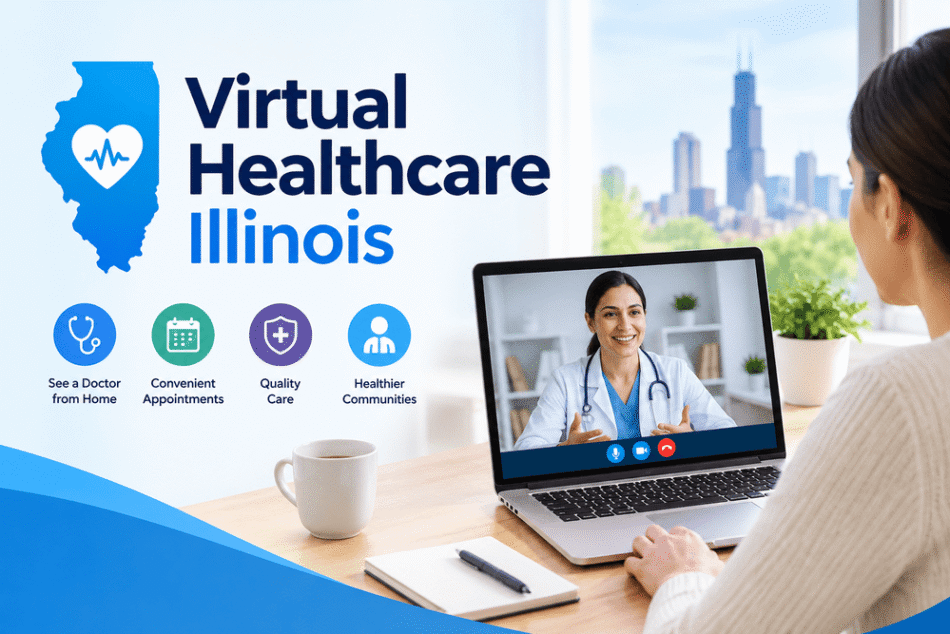
Technology is transforming the healthcare industry by changing how patients communicate with medical professionals and access essential services. Traditional medical appointments often involve traveling, waiting for available appointments, and adjusting personal schedules. These challenges can make healthcare difficult to access, especially for people with busy lifestyles or limited transportation options. Digital healthcare solutions are providing new opportunities to make medical services more convenient and accessible. Virtual Healthcare Illinois represents this growing shift toward online medical consultations and technology-based patient support.
Virtual healthcare allows individuals to connect with healthcare professionals through secure video calls, phone consultations, and online patient portals. Patients can discuss health concerns, receive professional guidance, and arrange follow-up appointments without always visiting a medical facility. As digital platforms continue to improve, online healthcare is becoming an important part of modern medical services.
The future of online care will depend on technological innovation, qualified healthcare professionals, patient privacy, and convenient digital experiences. Understanding these developments can help patients make informed decisions about their healthcare options.
Understanding Virtual Healthcare in Illinois
Virtual healthcare refers to medical services delivered through digital communication technologies. It allows patients to communicate with healthcare professionals remotely using smartphones, computers, and tablets.
Virtual Healthcare Illinois provides an additional way for residents to access medical guidance and suitable healthcare services. Depending on the provider, virtual consultations may include primary care discussions, mental health support, medication reviews, and follow-up appointments.
The process usually starts when a patient selects a healthcare provider and schedules an online appointment. The provider shares instructions for joining the consultation through a secure platform. During the appointment, the healthcare professional discusses the patient’s concerns and recommends appropriate next steps.
Some medical conditions can be evaluated remotely, while others require physical examinations, laboratory testing, or diagnostic procedures. Virtual healthcare works alongside traditional medical services rather than replacing every type of medical treatment.
How Virtual Healthcare Is Changing Online Patient Care
Digital healthcare is changing the patient experience by making communication with medical professionals more flexible. Patients can access certain services without traveling to a healthcare facility.
Convenient Access to Medical Professionals
One of the biggest advantages of virtual healthcare is the ability to communicate with healthcare professionals remotely. Patients can attend eligible consultations from home, work, or another private location.
This option is useful for individuals with demanding schedules, parents managing family responsibilities, and people who experience transportation difficulties.
Flexible Appointment Scheduling
Traditional medical appointments can require patients to adjust their daily routines. Virtual healthcare provides additional scheduling options depending on provider availability.
Patients may find it easier to arrange consultations around their professional and personal responsibilities. This flexibility can also help individuals maintain regular communication with healthcare providers.
Reduced Travel and Waiting Time
Traveling to a clinic can involve commuting, parking, and waiting in reception areas. These activities can make a short appointment time-consuming.
Virtual consultations can reduce unnecessary travel when a medical concern is suitable for remote evaluation. Patients can communicate with healthcare professionals without spending additional time commuting.
Improved Access for Rural Communities
Some residents in Illinois live far from hospitals and specialist clinics. Traveling to larger cities for routine consultations can create additional difficulties.
Virtual healthcare can help reduce geographical barriers by connecting patients with participating healthcare professionals remotely. Although specialist availability and licensing requirements still apply, online consultations can provide additional options for underserved communities.
The Role of a Healthcare Virtual Assistant in Online Care
Healthcare organizations manage many administrative responsibilities alongside patient treatment. A healthcare virtual assistant can help medical practices organize daily operations and improve communication with patients.
These professionals work remotely and perform administrative activities according to their training and the healthcare organization’s requirements.
Appointment Scheduling and Management
A healthcare virtual assistant may help schedule consultations, confirm appointments, send reminders, and manage booking changes.
Organized appointment management helps reduce scheduling confusion and keeps patients informed about their upcoming medical visits.
Improving Patient Communication
Patients often have questions about appointments, documentation, billing, and follow-up procedures. A virtual assistant can help answer routine administrative questions and direct patients to the appropriate department.
Clear communication can improve the patient experience and make healthcare processes easier to understand.
Medical Records and Documentation
Healthcare organizations manage sensitive patient information that must be handled carefully. Authorized virtual assistants may help organize electronic records, update administrative details, and manage documentation.
Healthcare providers must maintain appropriate security measures and follow applicable privacy requirements, including HIPAA regulations where relevant.
Supporting Billing and Insurance Processes
Insurance and billing procedures can sometimes be confusing for patients. A healthcare virtual assistant may help organize insurance documents, provide basic administrative information, and direct billing questions to the appropriate department.
This support can help medical practices manage administrative workloads more efficiently.
Modern Virtual Healthcare Services Available in Illinois
Virtual healthcare includes several types of services designed to support different medical needs. Availability depends on the provider and whether a particular condition can be evaluated remotely.
Virtual Primary Care Consultations
Some healthcare providers offer online primary care appointments for suitable medical concerns. Patients can discuss symptoms, ask health-related questions, and receive professional recommendations.
Healthcare professionals can also determine whether additional examinations or medical testing are necessary.
Online Mental Health Support
Mental health services are becoming an important part of digital healthcare. Patients may connect with licensed therapists, counselors, and other qualified professionals through secure online platforms.
Virtual counseling provides additional flexibility for individuals who prefer receiving support from a private environment. It may also reduce transportation and scheduling challenges.
Chronic Condition Management
People managing long-term medical conditions often need regular communication with healthcare professionals. Virtual appointments can support treatment reviews, follow-up discussions, and ongoing health management.
Some healthcare providers also use remote monitoring devices to review measurements such as blood pressure and blood glucose levels when appropriate.
Follow-Up Appointments and Medication Reviews
Follow-up appointments help medical professionals monitor patient progress and discuss treatment plans. Virtual consultations can make these discussions more convenient when an in-person examination is not required.
Some providers also offer online medication reviews to discuss treatment progress and medication-related concerns.
Emerging Technologies Shaping the Future of Online Healthcare
Technology will continue to influence how healthcare organizations deliver digital services. Several innovations are creating new opportunities for improving communication, patient support, and medical administration.
Artificial Intelligence in Healthcare
Artificial intelligence can support selected administrative activities, including appointment scheduling, documentation, and patient communication. When implemented responsibly, these tools may help healthcare organizations manage routine tasks more efficiently.
However, medical decisions should remain under the supervision of qualified healthcare professionals.
Remote Patient Monitoring
Remote monitoring devices allow patients to record certain health measurements outside traditional medical facilities. These may include blood pressure, heart rate, and blood glucose readings.
When used under professional supervision, monitoring tools can help healthcare providers review relevant information between appointments.
Secure Digital Patient Portals
Online patient portals are becoming an important part of virtual healthcare. They allow patients to access appointment information, communicate with healthcare facilities, and review available medical documents.
Improved portal features may make it easier for patients to manage their healthcare activities in one place.
Mobile Healthcare Applications
Mobile applications provide convenient access to selected healthcare services. Depending on the provider, patients may use these applications to schedule consultations, receive reminders, and communicate with medical teams.
As mobile technology improves, healthcare applications may offer more personalized ways to manage routine healthcare needs.
Challenges Affecting the Future of Virtual Healthcare
Although online healthcare offers several advantages, some challenges must be addressed to improve patient experiences.
Internet connectivity remains an important issue, particularly in areas with limited broadband access. Patients may experience technical difficulties during video consultations if their connection is unreliable.
Privacy and data security are also essential. Healthcare organizations must use appropriate safeguards to protect sensitive patient information and comply with applicable privacy regulations.
Another limitation is that not every medical condition can be treated remotely. Some patients require physical examinations, diagnostic testing, or emergency medical attention.
Virtual appointments should never replace emergency services. Anyone experiencing severe symptoms, such as chest pain, difficulty breathing, or signs of a stroke, should seek emergency medical assistance immediately.
How to Choose a Reliable Virtual Healthcare Provider in Illinois
Choosing a suitable provider is important for receiving safe and appropriate medical support.
First, verify the qualifications and licensing of healthcare professionals. Providers treating patients in Illinois must meet applicable state licensing requirements.
Second, review the medical services available through the platform. Some providers focus on primary care, while others offer mental health services or specialist consultations.
Patients should also understand consultation fees, insurance coverage, copayments, and any additional charges before scheduling an appointment.
Finally, review the provider’s privacy policies and confirm that appropriate security measures are used to protect personal medical information.
The Future of Virtual Healthcare Illinois
The future of online medical services will involve a stronger connection between digital technology and traditional healthcare. Improved communication platforms, remote monitoring devices, artificial intelligence, and electronic medical records may help healthcare organizations provide more flexible patient services.
The demand for administrative support may also increase as medical practices manage more online appointments and digital interactions. A healthcare virtual assistant can help organize schedules, manage documentation, and support communication between patients and healthcare professionals.
Virtual Healthcare Illinois represents an evolving approach to modern medical services. As technology develops, patients may benefit from additional ways to access healthcare while providers continue focusing on medical quality, privacy, and patient safety.
Conclusion
Virtual healthcare is changing the future of online medical services by making consultations more convenient and improving access to healthcare professionals. Flexible scheduling, reduced travel requirements, digital patient portals, and remote monitoring are helping create new opportunities for patients across Illinois.
A healthcare virtual assistant can further support this transformation by managing appointments, organizing administrative records, and improving patient communication. Although online consultations cannot replace every in-person medical service, they provide a valuable option for suitable healthcare needs. With qualified professionals, secure technology, and responsible digital practices, virtual healthcare can remain an important part of the future medical industry.


