 WhatsApp Us Now
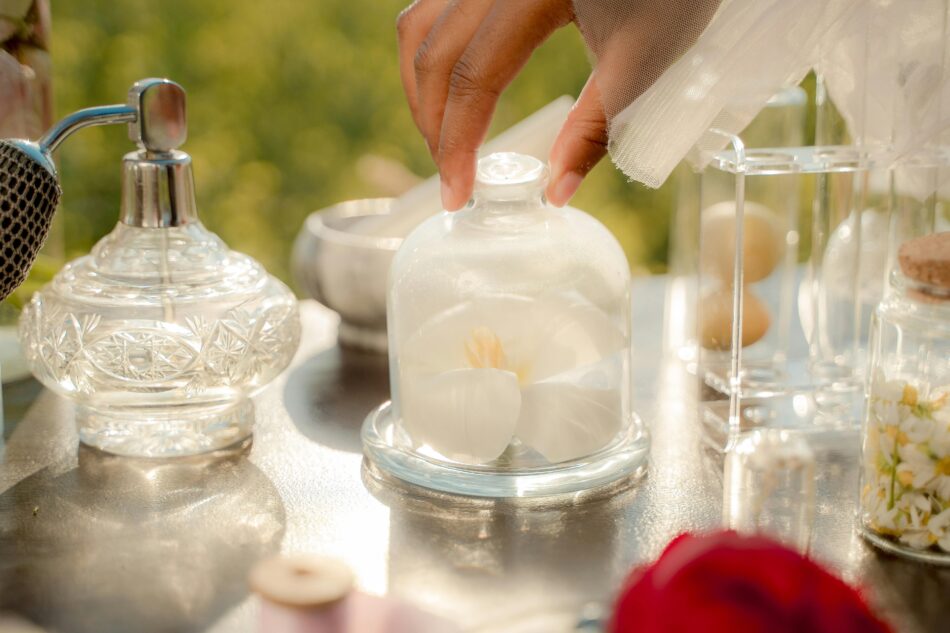
The beauty of perfume lies in its ability to connect memory, emotion, and artistry in a single, invisible form. To understand this craft, one must explore the delicate balance between body oil for perfume and Perfume notes, the two essential elements that bring every fragrance to life. These components are the building blocks of a scent’s character, giving it depth, longevity, and emotion. From the first spritz that dances in the air to the final lingering trail on the skin, perfume is a masterpiece of chemistry and imagination that speaks in its own silent language.
The Soul of Perfume Creation
Perfumery is not just about creating a pleasant smell; it’s about designing emotion through scent. Each fragrance tells a story that unfolds over time, just like a musical composition or a piece of art. Perfume notes serve as the vocabulary of this sensory language. They define the mood, intensity, and journey of a scent from the first moment it touches your skin until the final trace fades away.
Equally vital is body oil for perfume, which acts as the foundation that helps a fragrance bind to the skin and last longer. Without proper oil balance, even the most luxurious scent can vanish too quickly. Together, the notes and the oils form a symphony that determines how a perfume behaves, evolves, and connects emotionally with its wearer.
Understanding Perfume Notes
In perfumery, notes are the individual scents that make up a fragrance composition. These are carefully layered into three categories: top, middle, and base. Each layer reveals itself in a specific order, creating the perfume’s olfactory journey.
- Top Notes: These are the first impression of a fragrance. They are light, bright, and often citrusy or herbal. Examples include bergamot, lemon, and mint. Top notes evaporate quickly but set the mood for the entire perfume.
- Heart Notes: Also known as middle notes, they form the core of the scent. These notes appear once the top layer fades, offering richness and character. Common heart notes include rose, jasmine, lavender, and spices.
- Base Notes: These are the foundation of a fragrance, providing depth and longevity. They are often warm, rich, and sensual, featuring ingredients like musk, amber, vanilla, and sandalwood.
Each perfume is a harmonious blend of these layers. The artistry lies in how perfumers balance them, ensuring smooth transitions and emotional resonance.
The Role of Body Oil for Perfume
While perfume notes define the character of a scent, body oil for perfume determines how that scent lives on the skin. Oils act as carriers, helping the fragrance adhere better and diffuse slowly. This not only enhances longevity but also creates a smoother, more luxurious feel.
Perfume oils have been used since ancient times. Egyptians, Persians, and Greeks all used natural oils such as jojoba, almond, or argan to hold and enhance their fragrances. Unlike alcohol-based perfumes, body oils provide a more intimate experience, staying closer to the skin and unfolding gently throughout the day.
When used as a base, body oil for perfume nourishes the skin, locking in moisture that allows the fragrance molecules to cling longer. This makes oils an essential part of the perfumer’s toolkit, especially in modern formulations where longevity and richness are prized qualities.
Crafting Balance: Where Notes Meet Oils
Creating a timeless perfume requires precision and understanding. A perfumer must know how to balance the volatility of notes with the consistency of oils. Top notes need a lighter carrier so they can evaporate gracefully, while base notes require a heavier oil to linger.
For instance, when creating a floral perfume, the perfumer might use a combination of citrus top notes and delicate flower hearts blended into an oil base like jojoba or coconut. This allows the brightness of the opening to fade naturally into a creamy, warm finish. The right body oil for perfume can make or break the balance between fleeting freshness and lasting elegance.
The blending process also influences texture and projection. Oils that are too heavy can mute the scent, while those too light might cause it to dissipate too quickly. Striking the perfect equilibrium ensures that the fragrance remains consistent from the first spritz to the final whisper.
The Art and Science Behind Perfume Composition
Perfume creation sits at the intersection of art and science. Perfumers, often referred to as “noses,” study both chemistry and aesthetics. They understand how each molecule behaves, how oils affect diffusion, and how Perfume notes interact on the skin.
A single fragrance can contain hundreds of ingredients, both natural and synthetic. These ingredients must work together in harmony to achieve the desired emotional effect. The perfumer’s task is to orchestrate these components in a way that feels seamless and evocative.
For example, if a perfumer wishes to create a romantic scent, they might combine soft rose and vanilla with a gentle musk base. To ensure it lasts, they’ll choose a stable body oil for perfume that enhances the creamy texture of the base notes. In contrast, a fresh and lively fragrance may rely on citrus oils with lighter carriers to create a crisp, airy effect.
The Emotional Language of Perfume
Perfume communicates without words. It conveys mood, memory, and personality through scent alone. Perfume notes are like musical notes, each contributing a tone that evokes emotion. A bright lemon note might symbolize joy and energy, while smoky vetiver may speak of mystery and strength.
This emotional dimension is what makes perfume timeless. It’s not just about smelling pleasant but about expressing an inner world. The right scent can boost confidence, comfort the soul, or even serve as a form of identity. Many people have a signature fragrance that becomes part of their personal story, a scent that others associate with them instantly.
Timelessness in Perfumery
What makes a perfume timeless? It’s the ability to remain relevant and captivating across generations. Classic fragrances like Chanel No. 5, Dior J’adore, or Guerlain Shalimar endure because they balance innovation with tradition. Their structures are built on harmonious Perfume notes that age beautifully and evolve naturally on the skin.
The inclusion of rich body oil for perfume in their compositions helps maintain depth and smoothness. These timeless creations use both natural and synthetic ingredients to achieve a balance of freshness, sensuality, and longevity.
Timeless perfumes are not bound by trends. They possess a character that transcends eras—a blend of artistry, balance, and authenticity. They evolve gracefully, revealing new facets each time they are worn, just like an old melody that never loses its charm.
The Role of Natural Ingredients
Nature has always been a source of inspiration in perfumery. Flowers, woods, spices, and resins all contribute to the diverse palette available to perfumers. Perfume notes derived from natural sources often carry an authenticity that synthetic molecules attempt to replicate.
However, sustainability has become an important topic in the body oil for perfume industry. Many brands now prioritize responsibly sourced ingredients to protect the environment while maintaining quality. Oils like jojoba, sweet almond, and coconut have become staples in modern perfumery for their skin-friendly and eco-conscious properties.
Natural ingredients bring texture and warmth to a fragrance. When combined with synthetic molecules for stability and consistency, they create balanced perfumes that are both beautiful and sustainable.
Crafting Perfume for Longevity
The secret to a long-lasting perfume lies not only in its concentration but also in its composition. Perfumes crafted with balanced Perfume notes and enriched with the right body oil for perfume tend to have greater staying power.
Oils such as argan, avocado, and jojoba enhance the adhesion of fragrance molecules to the skin, ensuring the scent develops slowly over time. This is why applying perfume on moisturized skin—or layering it with matching body oil—can significantly improve longevity.
Perfumers also carefully consider volatility. Top notes evaporate fast, but if anchored correctly with richer oils and heavier base notes, their impression lasts longer. This layering technique is an art that distinguishes expert perfumers from amateurs.
The Personal Connection to Perfume
Perfume is deeply personal. It interacts differently with each individual’s body chemistry, lifestyle, and even mood. The same fragrance can smell slightly different on two people, creating a unique identity for each wearer.
This individuality is part of what makes perfume timeless. It adapts, evolves, and becomes part of who you are. When paired with a nurturing body oil for perfume, the scent not only lasts longer but also feels more intimate, blending naturally with your skin’s warmth.
Choosing a fragrance becomes an act of self-expression. You might gravitate toward floral heart notes for their femininity, or prefer woody and spicy bases that convey strength. Whatever your preference, the key lies in finding balance—a scent that reflects your inner self while adapting beautifully to your skin.
The Future of Perfume Creation
The world of perfumery continues to evolve. Modern technology allows for precision blending, while eco-conscious practices are shaping a more sustainable future. Perfumers are experimenting with new Perfume notes that replicate rare natural ingredients without harming the environment.
At the same time, the demand for body oil for perfume has grown as consumers seek more natural, skin-friendly alternatives to alcohol-based fragrances. Oil-based perfumes are also becoming popular for their luxurious texture and intimate projection.
Innovations in scent layering, personalized formulas, and digital fragrance experiences are transforming how people interact with perfume. Yet, despite these advancements, the essence of perfumery remains unchanged—emotion, memory, and artistry will always form its core.
The Ritual of Wearing Perfume
Perfume application is a ritual, one that transforms routine into luxury. It begins with clean, moisturized skin. Applying a body oil for perfume before your fragrance can make all the difference, ensuring the scent adheres properly and evolves gracefully.
Spray or dab perfume on pulse points where warmth helps diffuse the scent—wrists, behind the ears, or the base of the throat. Avoid rubbing your wrists together, as friction can alter the delicate balance of Perfume notes.
For a subtle effect, mist perfume into the air and walk through it, allowing it to settle naturally on your skin and clothing. The goal is not to overwhelm but to create an aura—a whisper of scent that lingers softly around you.
Conclusion
Perfume is more than luxury; it is a language of the soul. It tells stories, captures memories, and reflects individuality. Understanding Perfume notes allows you to appreciate the structure and artistry behind every fragrance, while recognizing the value of body oil for perfume reveals the science that makes it endure.
The art of crafting timeless perfumes lies in harmony—the perfect blend of top, heart, and base notes layered with nourishing oils that anchor their essence. From ancient rituals to modern innovations, perfumery remains a celebration of beauty and emotion, a bridge between the tangible and the invisible.
Each fragrance is a piece of art, a silent song that speaks through scent. And when created with care, balanced with rich oils, and composed with meaningful notes, it becomes truly timeless—a velvet symphony of emotion that lingers long after the final trace fades.


