 WhatsApp Us Now
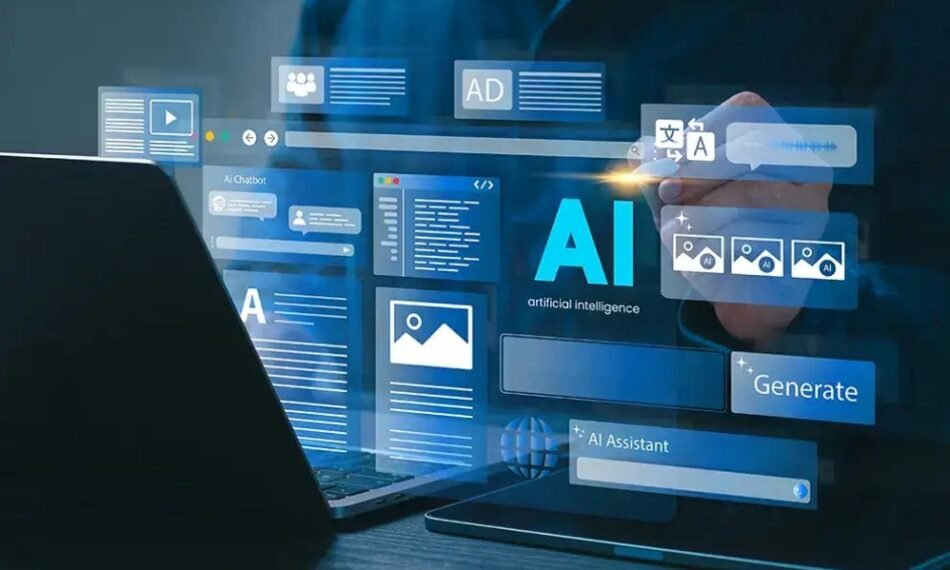
Customers move between channels constantly, researching on Google, browsing social media, opening emails, and eventually purchasing through a website or app, often all within the same day. Businesses treating each of these channels as separate, disconnected efforts frequently deliver an inconsistent experience that quietly frustrates customers along the way. AI has made it genuinely possible to unify this experience at scale, and it’s an approach TrendWaltz Australia builds into every integrated campaign.
Understanding what true omnichannel marketing actually requires helps businesses move beyond simply being present on multiple platforms toward genuinely connecting them.
Omnichannel Means Connected, Not Just Present
Many businesses assume having a website, social media accounts, and an email list already makes them omnichannel. True omnichannel marketing goes further, ensuring messaging, timing, and customer experience stay consistent and connected across every touchpoint, rather than each channel operating independently with its own disconnected strategy.
AI Helps Identify the Right Channel at the Right Moment
Not every customer responds best to the same channel at the same stage of their journey. AI can analyze behavior patterns to determine whether a specific customer is more likely to engage through email, social retargeting, or search, allowing businesses to prioritize the channel most likely to actually reach that person effectively.
Consistent Messaging Across Every Touchpoint
When a customer sees an ad, then visits the website, then receives a follow-up email, disconnected messaging across these touchpoints creates confusion and erodes trust. AI-driven tools help ensure consistent language, offers, and creative direction across every channel a business manages, reinforcing the same message rather than sending conflicting signals.
TrendWaltz Australia builds this consistency directly into how it manages SEO services in Australia, SMO services in Australia, and PPC services in Australia together, rather than treating each as a separate, disconnected project.
Real-Time Personalization Across Channels
AI allows businesses to adjust messaging in real time based on a customer’s most recent interactions, regardless of which channel they engaged through last. Someone who abandoned a cart on the website might see a relevant retargeting ad on social media, followed by a personalized email, all connected around that same specific behavior rather than generic, unrelated messaging.
Avoiding Channel Silos Internally
Disconnected strategy often stems from disconnected teams, separate people managing SEO, social, and paid advertising without regularly communicating about overall strategy. AI-powered unified dashboards help bridge this gap, giving everyone visibility into how channels are performing together, encouraging more coordinated decision-making rather than isolated, channel-specific thinking.
Measuring Omnichannel Success Properly
Evaluating channels in isolation often misses the bigger picture. A customer might discover a brand through organic search, engage further on social media, and finally convert after a retargeting ad, credit that a single-channel view would incorrectly attribute entirely to the last touchpoint. AI-driven attribution models help reveal this fuller picture more accurately.
TrendWaltz Australia applies this connected measurement approach across client campaigns, giving a more honest view of how channels genuinely work together to drive results.
Building Omnichannel Strategy Without Overcomplicating It
Businesses don’t need to be active on every possible platform to build an effective omnichannel strategy. The goal is genuine connection and consistency across the channels that matter most for a specific audience, not spreading effort too thin across platforms that don’t actually reach the right customers.
Where Omnichannel Strategy Is Heading
As AI capabilities continue advancing, the line between individual marketing channels is likely to blur further, with strategy increasingly built around the customer’s overall experience rather than separate, siloed campaigns. Businesses building this connected foundation now are positioning themselves well for where digital marketing is clearly heading.
FAQs
1. What does omnichannel marketing actually mean?
Omnichannel marketing means delivering a consistent, connected customer experience across every channel a business uses, rather than treating each platform separately.
2. How is omnichannel different from simply being on multiple platforms?
Being present on multiple platforms doesn’t guarantee consistency. True omnichannel strategy connects messaging, timing, and experience across every touchpoint.
3. How does AI support omnichannel marketing?
AI helps identify the right channel for each customer, personalize messaging in real time, and provide unified attribution across every touchpoint.
4. Does omnichannel marketing require being active on every platform?
No. The focus should be on genuine connection across the channels that matter most to a specific audience, not spreading effort too thin.
5. Does TrendWaltz Australia build omnichannel strategies for clients?
Yes, TrendWaltz Australia integrates SEO, SMO, and PPC together to deliver a genuinely connected omnichannel experience for every client.
Ready for a marketing strategy that actually connects across every channel? TrendWaltz Australia can help you build a truly omnichannel approach.


