 WhatsApp Us Now
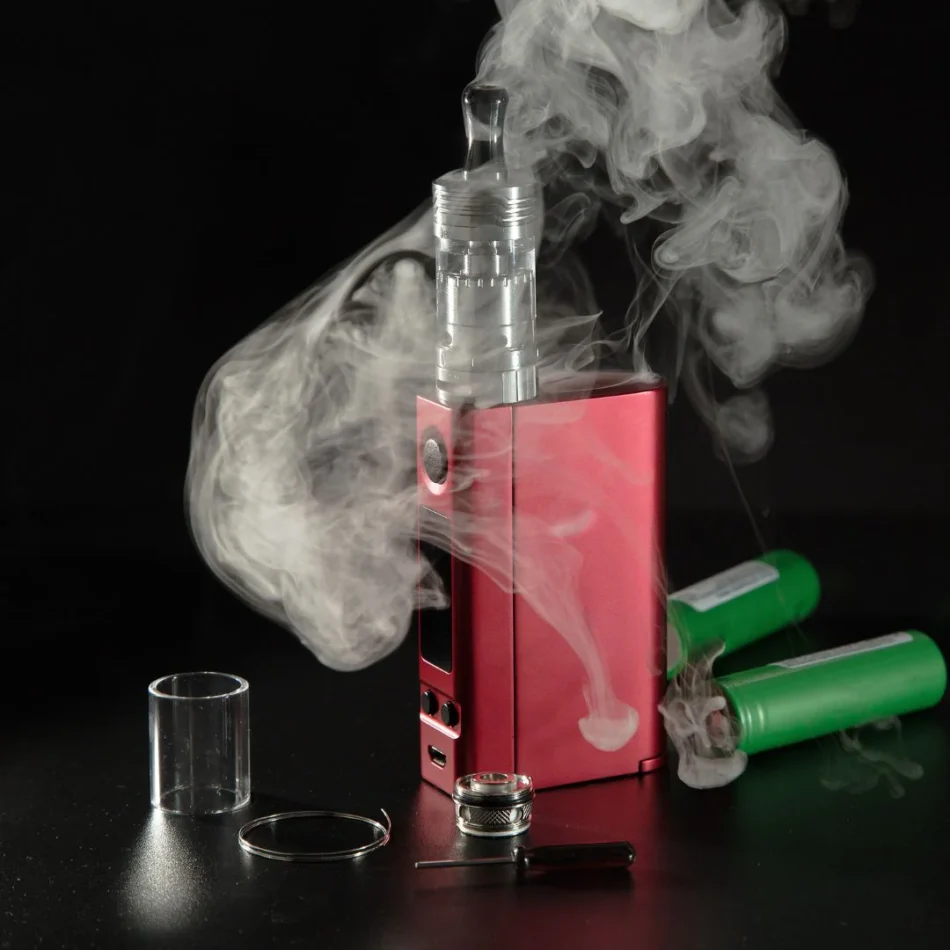
As vaping technology continues to mature, one thing is clear: the clouds of the future aren’t just vapor—they’re intelligent, responsive, and touch-enabled.
In recent years, vaping has undergone a radical transformation—one that reflects not just changing consumer preferences but also the relentless march of technology. From humble beginnings as simple e-cigarettes designed to mimic traditional smoking, vape devices have evolved into highly sophisticated, touchscreen-enabled tools capable of delivering customizable, flavorful clouds with the flick of a finger. This evolution, powered by user demand, innovation, and a desire for greater control, has pushed vaping into a new era where tech-savviness is just as important as the flavor profile.
A Quick Puff Through the Past
The origins of vaping devices can be traced back to the early 2000s, when the first generation of e-cigarettes emerged on the market. These were basic in design and function: battery-powered sticks that vaporized a liquid solution to simulate smoking. While effective at offering a smokeless alternative, they were limited in both power and customization. Early adopters often found themselves frustrated by short battery lives, weak vapor production, and limited flavor options.
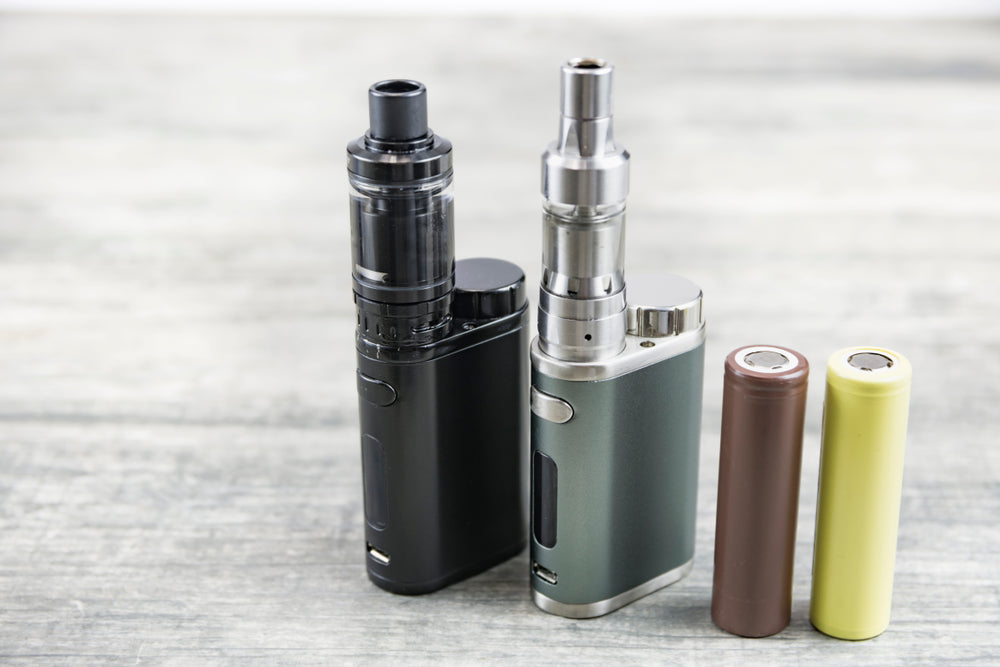
Second-generation vape pens brought moderate improvements, such as refillable tanks and longer-lasting batteries. However, the user experience remained mostly mechanical, with a one-button operation and little room for personalization. The true turning point came with the third generation—often referred to as box mods—which introduced variable wattage, temperature control, and customizable coil setups. These devices attracted hobbyists and tinkerers, marking the beginning of vaping as both a lifestyle and a tech trend.
The Smart Device Revolution
As technology crept deeper into our daily routines—think smartphones, smartwatches, and smart homes—it was only a matter of time before vaping devices followed suit. The latest wave of vape devices now comes equipped with high-resolution touchscreens, Bluetooth connectivity, and app integrations, enabling users to fine-tune every aspect of their vaping experience.
Touchscreens, once a luxury reserved for flagship smartphones, are now a central feature in high-end vaping devices. These screens offer intuitive control over settings such as wattage, temperature, puff counter, screen brightness, and even coil resistance. No more clunky button sequences or guesswork—users can adjust their experience with a swipe, tap, or scroll. Some devices even feature animated displays, haptic feedback, and customizable themes, merging tech design with aesthetic appeal.
The Rise of User Data and Personalization
Tech-savvy vape devices now also track usage patterns, allowing users to monitor their daily puffs, e-liquid consumption, and battery performance. This data-driven approach not only helps individuals better manage their habits but also provides insights into optimal settings for flavor, throat hit, and cloud production.
Advanced devices go one step further with app connectivity. Through dedicated apps, users can save preferred settings, download firmware updates, and even locate their device using GPS tracking in case of loss. This integration mirrors the tech trends seen in wearables and smart fitness devices, positioning vape gear as part of a broader ecosystem of personalized tech.
Personalization doesn’t stop at software. The hardware has become modular, with interchangeable parts like mouthpieces, coils, and tanks, allowing users to customize their devices both functionally and aesthetically. With endless flavor combinations and adjustable airflow systems, vapers can craft an experience that is uniquely their own.
Cloud Control: Performance Meets Portability
Modern vape devices are not just smarter—they’re also more powerful and efficient. High-performance chips regulate power output more precisely than ever, ensuring consistent vapor production and enhanced flavor delivery. Battery technology has also seen significant advancements, with USB-C charging, larger capacities, and even pass-through charging that lets users vape while plugged in.
Despite their enhanced capabilities, many of today’s devices remain sleek and portable. Manufacturers have embraced minimalist design principles, incorporating features like auto-draw (eliminating the need for a button press), leak-proof engineering, and one-piece pod systems. It’s a balance between performance and portability that appeals to both seasoned users and those new to vaping.
Vaping in the Era of Digital Wellness
As vaping becomes increasingly integrated with technology, it also finds itself intersecting with the growing trend of digital wellness. Some devices now include features aimed at promoting responsible use, such as puff limits, usage reminders, and timed lockouts. These tools are designed not to restrict enjoyment but to provide greater awareness and control, aligning with the broader cultural shift toward mindfulness and health-conscious decision-making.
This evolution reflects a maturing industry—one that is no longer just about replacing cigarettes, but about offering a more refined and intelligent alternative to nicotine consumption. The tech-enhanced vaping experience appeals to users looking for innovation, control, and individuality.
Looking Ahead
The future of vaping devices is bright, sleek, and undoubtedly smarter. With the pace of innovation showing no signs of slowing, we can expect even more integration of AI-powered features, voice controls, and perhaps even biometric sensors that adjust settings in real time based on user input or physiological responses.
Vaping has always existed at the crossroads of culture and technology. Now, with touchscreens, data tracking, and cloud control, it is pushing further into the realm of smart living. For the modern vaper, it’s not just about vape flavor or convenience—it’s about having a device that fits into their digital lifestyle, responds to their preferences, and evolves with them.
As vaping technology continues to mature, one thing is clear: the clouds of the future aren’t just vapor—they’re intelligent, responsive, and touch-enabled.


