 WhatsApp Us Now

When the bills start piling up and the calls from creditors won’t stop, it’s easy to feel overwhelmed. Insolvency is a tough spot, and the pressure can lead to decisions that make things worse instead of better. But knowing the common pitfalls can help you steer clear of costly errors and find a way forward.
Ignoring the Problem Until It’s Too Late
One of the biggest mistakes is hoping the problem will just go away. It rarely does. Ignoring mounting debts or avoiding calls from creditors only delays the inevitable and often makes the situation more complicated.
When debts spiral out of control, interest and penalties pile up, and creditors may take legal action. Waiting too long can mean losing control over your finances and options. In some cases, individuals may find themselves facing wage garnishments or even foreclosure, which can have long-lasting effects on their financial health and personal well-being. The stress associated with such situations can also lead to mental health issues, further complicating the path to recovery.
Why People Avoid Facing Insolvency
Fear and embarrassment are powerful forces. Many people feel ashamed to admit financial trouble or worry about damaging their credit score. Others simply don’t understand the seriousness of their situation or think they can fix it alone.
But the sooner you confront insolvency, the more options you have. Early action can lead to negotiated settlements, payment plans, or professional advice that can prevent bankruptcy. Additionally, addressing the issue head-on can open up opportunities for financial education, allowing individuals to learn from their mistakes and develop better money management skills for the future. Understanding the root causes of their financial distress can empower them to make informed decisions moving forward.
How to Face Insolvency Head-On
Start by gathering all your financial information: debts, income, expenses, and assets. This gives you a clear picture of where you stand.
Reach out to creditors to explain your situation. Many are willing to work out payment plans if you communicate honestly and early. Establishing a line of communication can also help in negotiating lower interest rates or even partial debt forgiveness, which can significantly ease the burden.
Consider consulting a financial counselor or insolvency professional who can guide you through your options. These professionals can provide tailored advice based on your unique financial situation, helping you navigate complex legal frameworks and find the best path forward. They can also assist in creating a budget that aligns with your new financial reality, ensuring that you can meet your obligations while still making room for essential expenses and savings. For more guidance, you can visit IRS Ireland.
Failing to Seek Professional Advice
Trying to handle insolvency alone is like navigating a maze blindfolded. The rules around debt, insolvency, and bankruptcy are complex and vary by jurisdiction. Each region may have its own specific laws and regulations that can significantly impact your situation, making it essential to have a clear understanding of the landscape before proceeding.

Without expert guidance, it’s easy to miss deadlines, misunderstand your rights, or choose the wrong path. The consequences of these missteps can be severe, leading to further financial distress or even legal repercussions. This is why having a knowledgeable ally in your corner can make all the difference in achieving a favorable outcome.
The Value of Professional Guidance
Insolvency professionals, such as licensed insolvency trustees or debt counselors, have the knowledge and experience to help you understand your options. They can negotiate with creditors, help you develop a realistic repayment plan, or guide you through formal insolvency processes. Their expertise allows them to assess your unique financial situation and tailor solutions that align with your needs, potentially saving you time and money in the long run.
Legal advice is also crucial if you’re facing lawsuits or considering bankruptcy. A lawyer can protect your rights and ensure you comply with all legal requirements. They can also provide insights into the implications of different choices, such as the long-term effects of bankruptcy on your credit score, and help you strategize the best course of action to rebuild your financial standing post-insolvency.
How to Find the Right Help
Look for licensed professionals with good reputations and transparent fees. Many offer free initial consultations to discuss your situation. This can be an excellent opportunity to gauge their expertise and determine if they are the right fit for you. Additionally, seeking recommendations from trusted friends or family members who have navigated similar challenges can lead you to reliable professionals.
Don’t hesitate to ask questions about their experience, the services they offer, and what outcomes you can expect. Understanding their approach and methodology is crucial; some professionals may focus more on negotiation, while others might emphasize legal strategies. It’s important to find someone whose style aligns with your needs, as this relationship can significantly influence the effectiveness of your insolvency resolution process.
Racking Up More Debt to Cover Existing Debt
It might seem tempting to use credit cards, payday loans, or personal loans to pay off existing debts. But this often leads to a dangerous cycle of borrowing that worsens your financial situation.
High-interest loans and fees can balloon quickly, making it even harder to get back on track.
Why Taking on More Debt Backfires
New debt adds to your monthly obligations. If your income hasn’t increased, you may struggle to keep up with payments, leading to late fees and damage to your credit score.
Some lenders may also see your borrowing as a red flag, making it harder to get affordable credit in the future.
Better Alternatives to Manage Debt
Instead of borrowing more, focus on budgeting and cutting unnecessary expenses. Prioritize essential bills like housing, utilities, and food.
Contact creditors to discuss hardship programs or payment arrangements. Many are willing to reduce interest rates or extend payment terms.
Consider debt consolidation through a reputable program or professional advice rather than quick fixes like payday loans.
Not Understanding the Consequences of Insolvency Options
There are different ways to deal with insolvency, such as debt settlement, consumer proposals, or bankruptcy. Each has its own consequences, and not understanding them can lead to regrets.
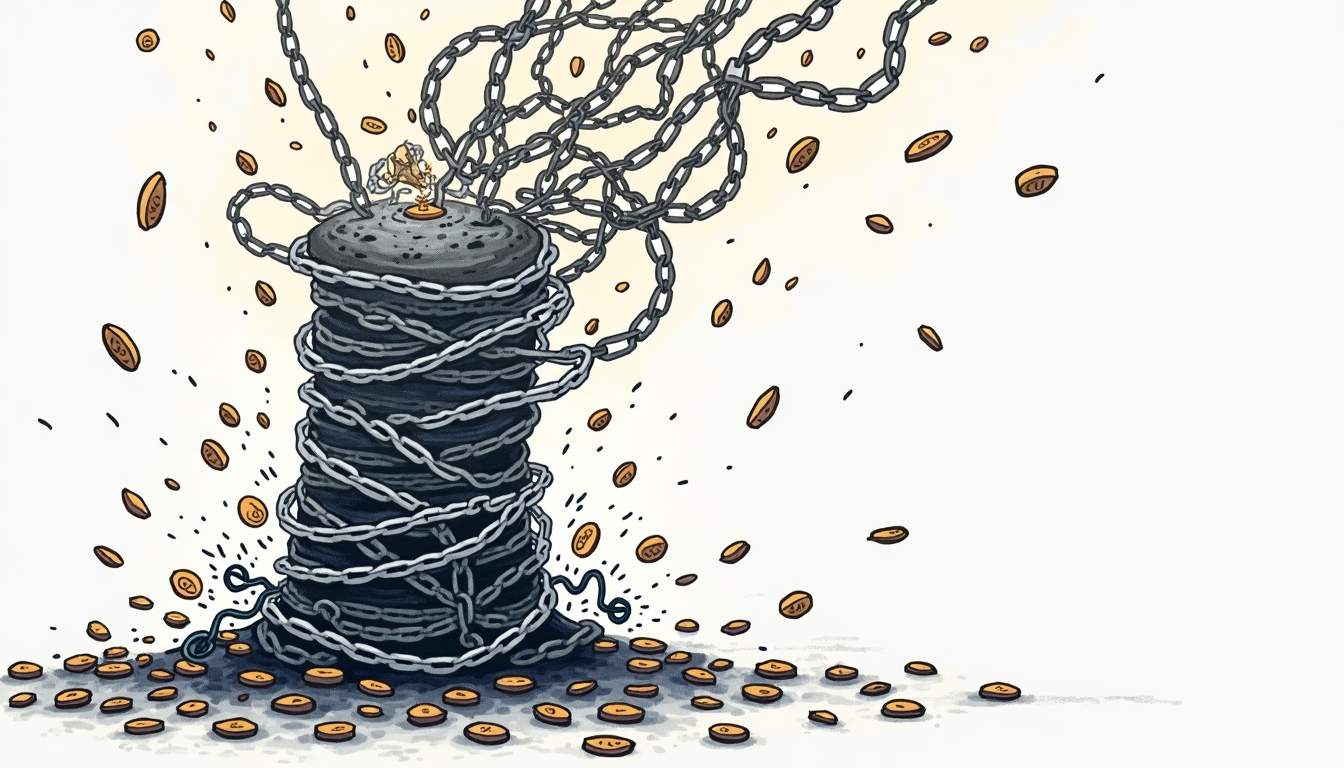
Common Insolvency Solutions and Their Impact
Debt Settlement: Negotiating with creditors to pay less than what you owe. It may hurt your credit score and could have tax implications if forgiven debt is considered income.
Consumer Proposal: A formal agreement to pay a portion of your debts over time. It protects you from legal action but stays on your credit report for several years.
Bankruptcy: Legal discharge of most debts but involves surrendering some assets and impacts credit for years.
How to Choose the Right Path
Assess your financial situation honestly. Consider your income, assets, and long-term goals.
Discuss all options with a professional who can explain the pros and cons based on your circumstances.
Remember, the goal is to find a solution that allows you to rebuild your financial life without unnecessary hardship.
Failing to Communicate with Creditors
Silence can be costly. When you stop responding to creditors, they may escalate collection efforts, including legal action, wage garnishments, or asset seizures.
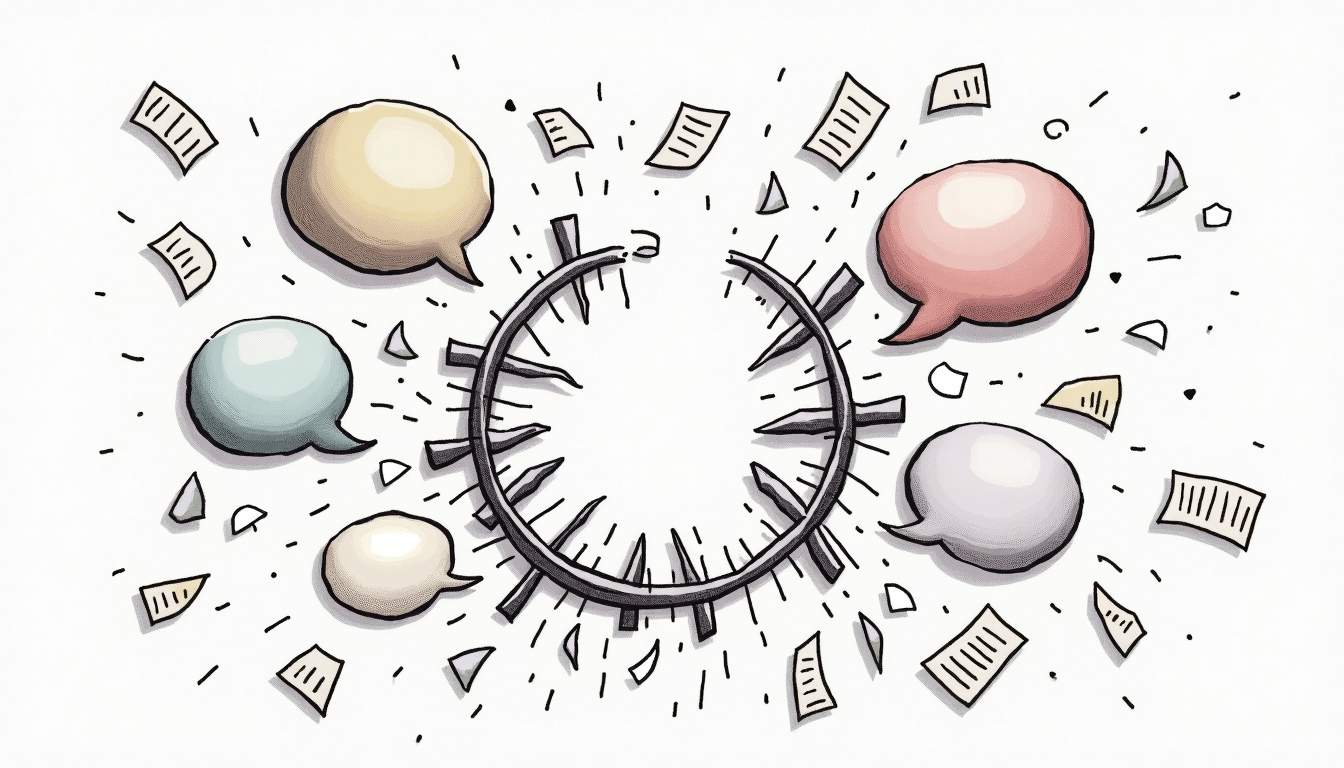
Keeping communication open can prevent these outcomes and create opportunities for workable solutions.
Why Communication Matters
Creditors want to get paid. They often prefer negotiating a payment plan rather than pursuing costly legal routes.
By explaining your situation and showing willingness to cooperate, you build goodwill and may gain more flexible terms.
Tips for Effective Communication
Be honest but concise about your financial challenges.
Keep records of all communications, including dates, names, and details of conversations.
Ask for written confirmation of any agreements or changes to payment terms.
Overlooking the Importance of a Realistic Budget
Without a clear budget, it’s easy to lose track of money and make poor spending choices. A realistic budget helps you control expenses and allocate funds to repay debts.
Creating a Budget That Works
Start by listing all sources of income and monthly expenses. Include everything: rent or mortgage, utilities, groceries, transportation, and even small regular expenses like subscriptions.
Identify areas where you can cut back, even temporarily, to free up cash for debt repayment.
Use budgeting tools or apps to track spending and stay accountable.
Sticking to Your Budget
Review your budget regularly and adjust as needed.
Set realistic goals and celebrate small victories to stay motivated.
If unexpected expenses arise, revisit your budget and prioritize essential payments.
Trying to Hide Assets or Income
Some people facing insolvency may be tempted to hide assets or underreport income to protect themselves. This is a serious mistake with legal consequences.
Insolvency laws require full disclosure. Failure to comply can result in penalties, denial of debt discharge, or even criminal charges.
The Importance of Transparency
Being upfront about your financial situation helps professionals provide accurate advice and find the best solution.
Honesty also builds trust with creditors and the court, which can lead to more favorable outcomes.
What to Disclose
Report all assets, including property, vehicles, bank accounts, and investments.
Disclose all income sources, including wages, benefits, and side jobs.
Failing to do so can backfire and prolong financial hardship.
Conclusion
Facing insolvency is daunting, but avoiding common mistakes can make a huge difference. Don’t ignore the problem, seek professional help, communicate openly, and understand your options.
Building a realistic budget and being honest about your situation lay the foundation for recovery. With the right approach, insolvency can be a turning point toward financial stability rather than a dead end.


